Culture

Africa on Film: Out of Africa
Our film critic, Allison Swank, rewatches the 1985 film. Her verdict: "Out of Africa" is a media nostalgia piece for a time when whites ruled in Africa.
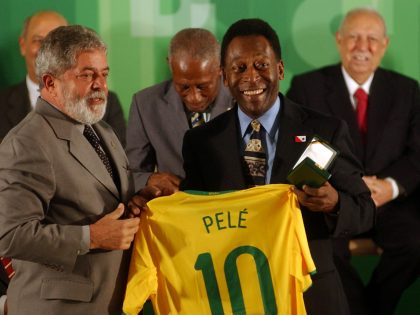
Obrigado, Pelé
A short film imagines what if Pele, who can claim to be the G.O.A.T. (Greatest Of All Time), scored his final international goal against Argentina, Brazil's greatest rival.
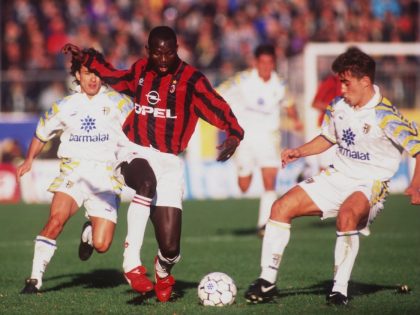
Who will play George Weah?
A biopic on the life of Liberian football legend George Weah, a star at PSG and AC Milan and Ballon d'Or in 1995. One question is which actor will get to play the lead role. Idris Elba, Adewale Akinnuoye-Agbaje, Djimon Honsou and Chiwetel Ejiofor are all good candidates.
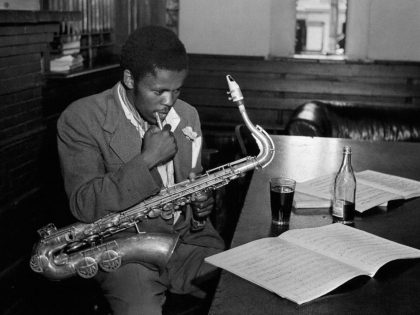
More than Graceland
Often lost in narratives of oppression and exile, is that the 1960s and 1970s were also an exceptionally vibrant, creative era for South Africa music too.

The World Cup and Pan-Africanism
In soccer tournaments like the World Cup organized around nations, your nationalism expands as your nation gets knocked out.
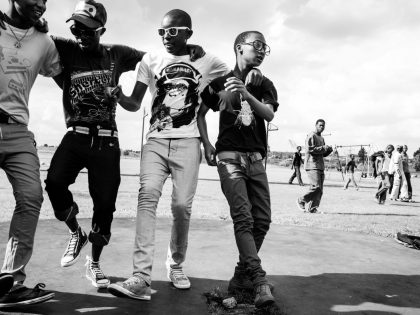
Postcard from Johannesburg
The photographer Krisanne Johnson believes you can learn many things about a country by the way youth live — from fashion to music to home environments.
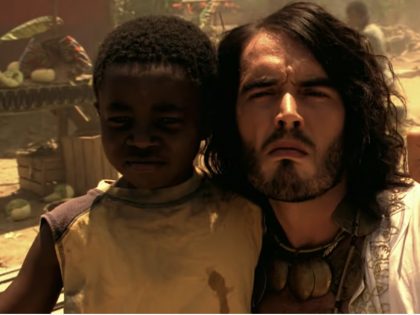
African Child
The comedy "Get him to the Greek" is a forgettable vehicle for Russell Brand, except for the spoof music video "African Child" opening the film.
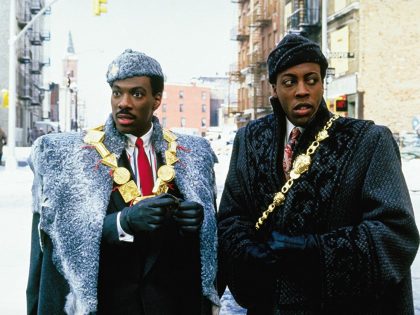
Coming to America
How much damage, if any, did "Coming to America" do to a generation of young Americans' views of Africa and Africans?
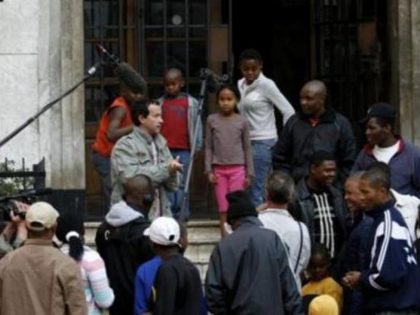
Adopting Africa
We should talk about American celebrities' obsession with adopting African babies. The mostly unfunny comedian Pauly Shore is not our guide.
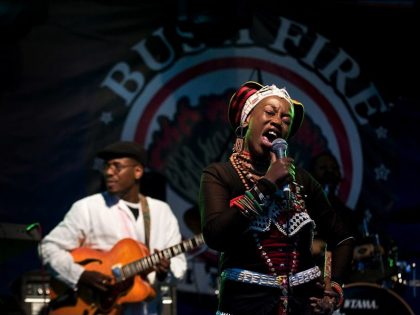
Long Live Busi Mhlongo
The South African artist, born in 1948, and who has been suffering from cancer for while, has passed away.
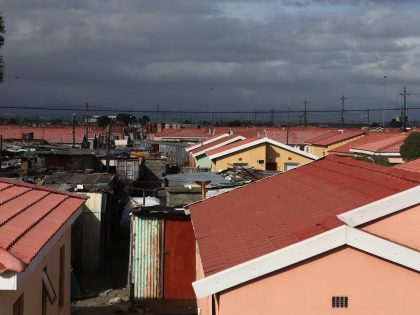
Out of Here
I am spending the opening weeks of the 2010 World Cup in Cape Town, South Africa. I have tickets to a few games. The main aim is to be among football people.
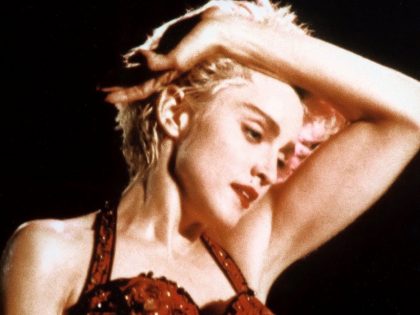
Madonna: International Human Rights Defender
The breathless reporting of Madonna's various doings in Africa, including when she is given credit for things she didn't even do, should stop.

Iman is fierce
The achievements of the Somali model and designer, Iman, in a very racist fashion industry, particularly Paris and New York, should be widely celebrated.
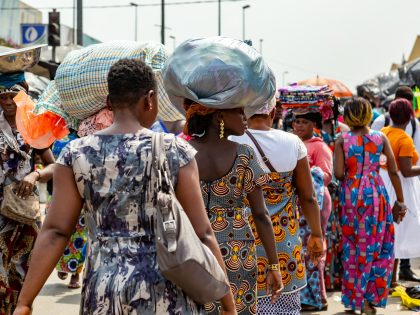
We’re Cool Like That
I don’t normally post manifestoes, open letters, or poems — but sometimes you have to make an exception.
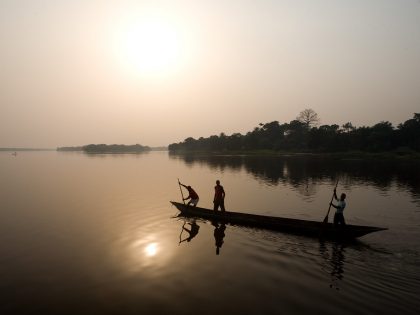
Africa on Film: The “Tarzan” Films
The "Tarzan" films, which dates back to the beginnings of Hollywood, are a perfect visual representation of colonialism in Africa.
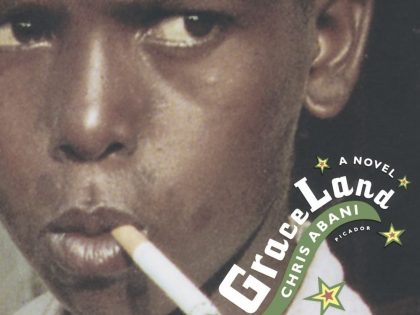
The Stories We Tell About Africa
Chris Abani's musings on telling African stories gets at just about everything Sonja thinks about as she encounters "Africa" every day, and then attempt to write about it.
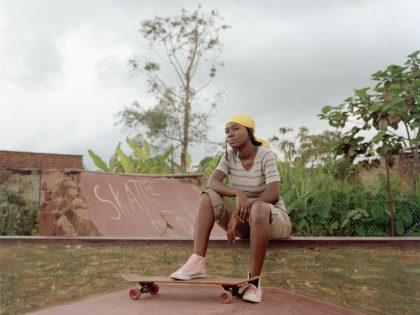
Tell ’em to skate
The first, and only, half-pipe in East Africa, built entirely by the youth from the Kampala suburb of Kitintale.

Blue Balls
When white South Africans do ordinary things, like travel to a black neighborhood, they're showered with platitudes. This is not reserved for their black country fellows.