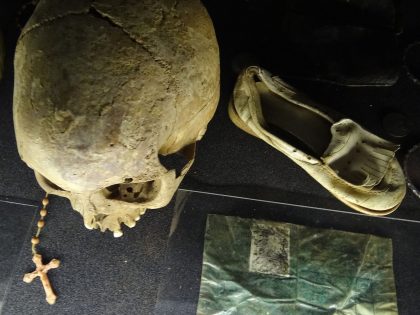
How not to write about the Rwandan genocide
How Rwandan history is told — and who does the telling — is important as it determines who is able to participate in conversations about the past.
How Rwandan history is told — and who does the telling — is important as it determines who is able to participate in conversations about the past.
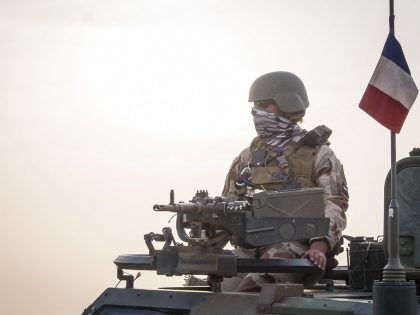
Francophonie has served to obscure the harms caused by neocolonial projects in Africa, projects that are themselves a reflection of the racism within France’s borders.
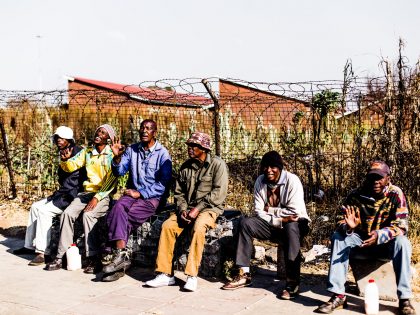
The anniversary of Marikana just passed us. Media coverage of the massacre is an important part of its legacy.
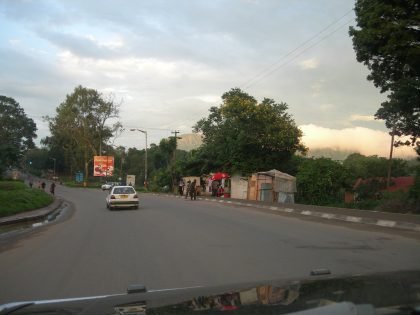
Reflections on Malawi’s recent election rerun, false starts and the hope that public representatives in Africa become accountable to their electorates’ aspirations.

In Kenya, only the rich and politically connected can afford decent healthcare. Everyone else is a major illness or a road accident away from ruin.
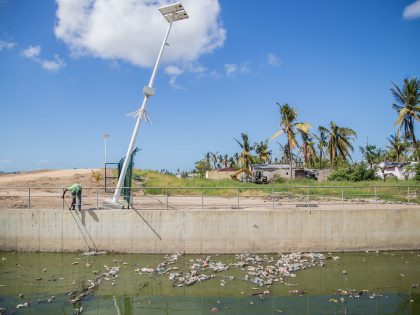
In this, the first of a series of posts, we critically look at the implications of climate policy in the most powerful Western country for Africans.
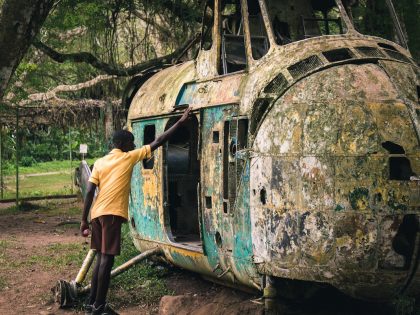
Official Ghanaian pan-Africanism is now less motivated by African liberation and solidarity and more by profit incentives. Ghana’s Year of Return is the best example of this.
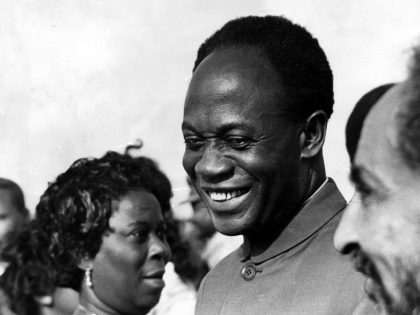
This week on our livestream show, we focus on the legacy of Kwame Nkrumah. Stream it live Tuesdays on Youtube, Facebook, Twitter. Subscribe to our Patreon for the podcast archive.
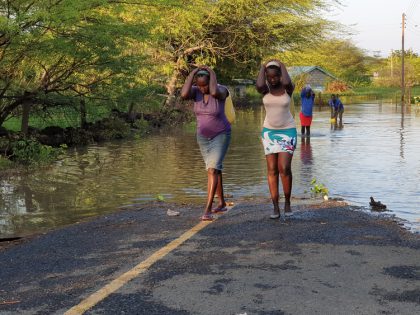
How climate change is threatening lives in Kenya.
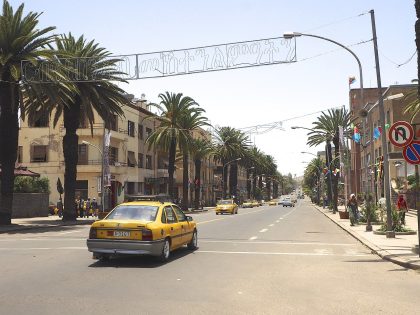
The Eritrean government continues to force students into military service in the middle of a pandemic. Things are about to get even worse.
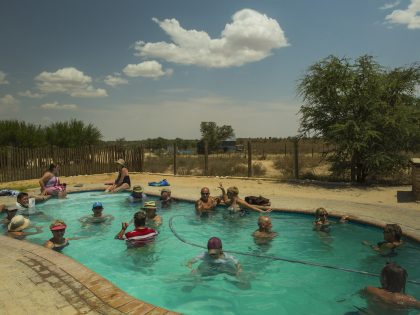
White South Africans rarely look in the proverbial mirror to reflect on where they come from and how those histories shape their current realities.
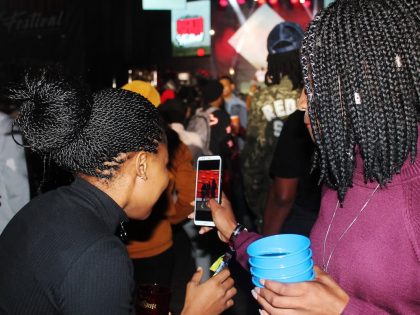
When our political parties only have recourse to the realm of identity and culture, it is a smokescreen for their lack of political legitimacy and programmatic content. It is cynically unpolitical, and it’s all bullshit.