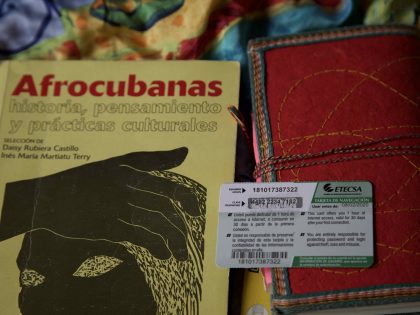
Coming to voice in Cuba
Thanks in part to the internet, Black women in Cuba are now able to forge space and create visibility for themselves.
Search Result(s) for: “Diaspora”
Thanks in part to the internet, Black women in Cuba are now able to forge space and create visibility for themselves.
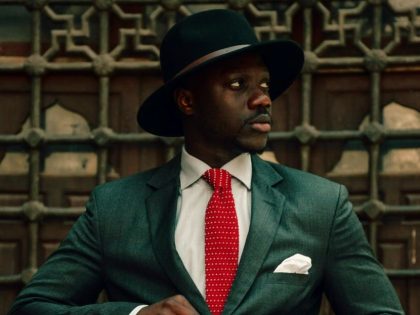
The Malcolm X effect of Gambian-British activist Momodou Taal.
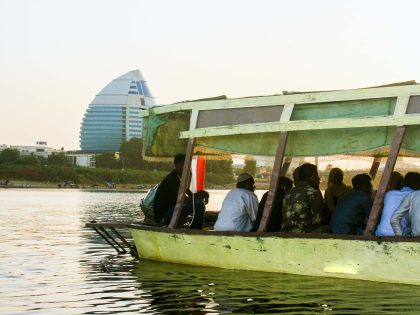
The significance of ending the ongoing war in Sudan cannot be overstated, and represents more than just an end to violence. It provides a critical moment for the international community to follow the lead of the Sudanese people.
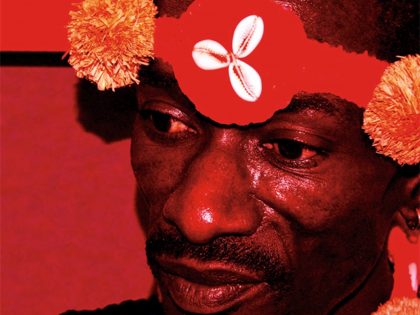
The King of Bubu, Janka Nabay, translates this music and his culture for rock kids in the trendy hangouts of New York City.
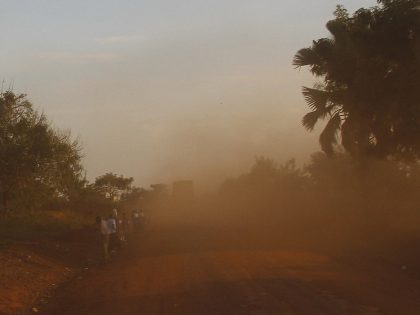
An open letter addressed to Jeff Fager, Executive Producer of the American TV news program, 60 Minutes, over its reporting of Africa and Africans.
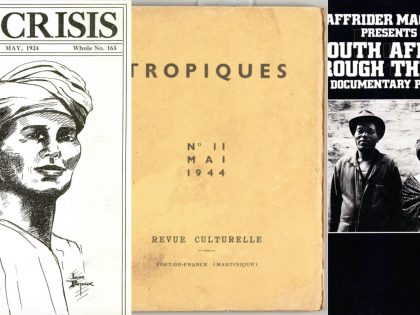
In doing the intellectual activist work of editing and supporting cultural production, literary magazines have been crucial for Black cultural renaissance.
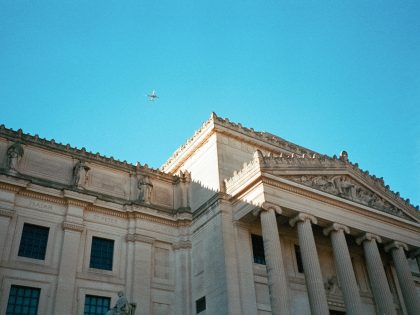
Asking whether white people should curate African art anymore, may be outdated. Instead we should ask: what is African art now and does the category matter anymore?
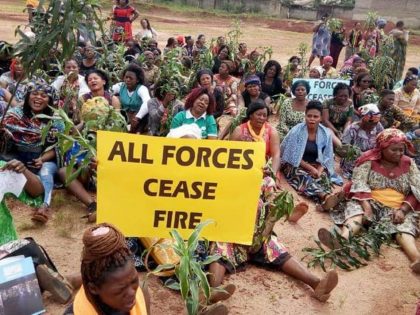
The longue duree of the conflict in the Southern Cameroons, the rise of the current Ambazonian movement, as well as the dismal prospects for conflict resolution.
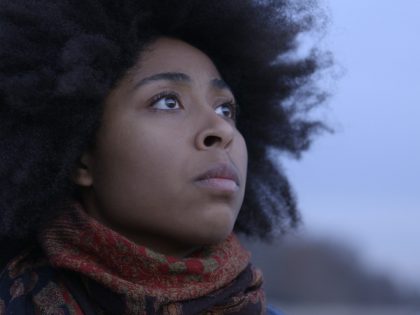
What roles have francophone African women played in movements for pan-African liberation, historically and now?
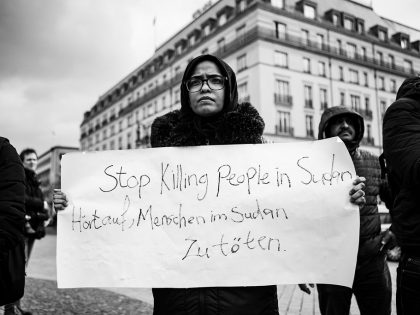
A guide on how to support the uprising in Sudan.
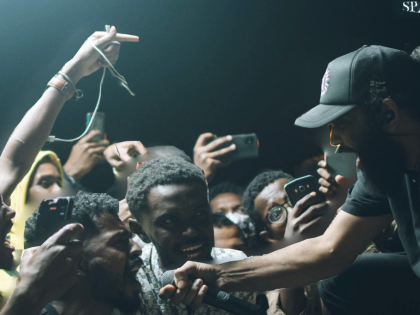
From the streets of Khartoum to exile abroad, Sudanese hip-hop artists have turned music into a powerful tool for protest, resilience, and the preservation of collective memory.
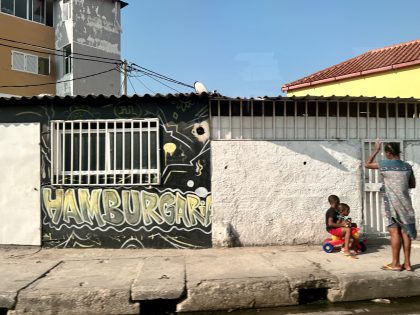
The specter of Angola's 1992 elections continues to impact the country's democratic process.
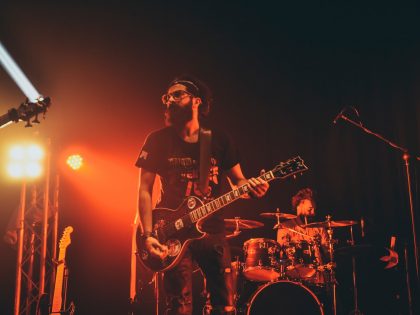
Music’s ingratiating moral mask has withered, revealing a disfigured face whose true ethical philosophy is, as Lauryn Hill once noted, “paper thin.”
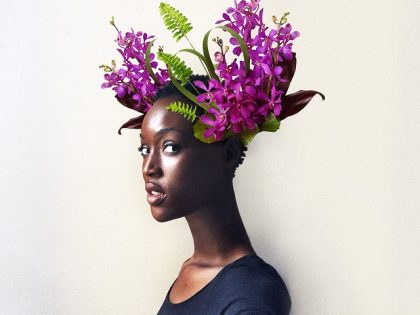
The #AlienEdits series seems to come as a form of resistance to negative social projections regarding race, gender, sexuality and culture.
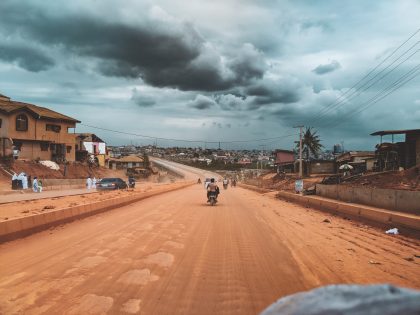
On the second anniversary of Nigeria’s African Action Congress party, it is time to take stock of its track record and political prospects.
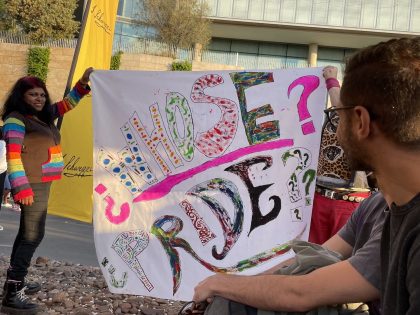
Queer Indians are largely invisible in South Africa's LGBT discourse. But representation is not enough, we need political transformation and multi-racial class solidarity.
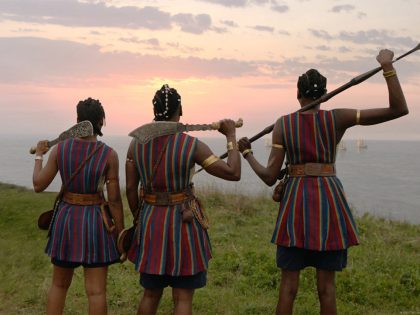
Although films like 'The Woman King' offer us a small glimpse into the past, they cannot give us the full story.
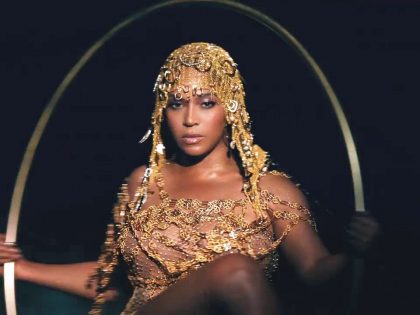
Beyoncé, 'The Lion King,' 'Coming to America,' and the complicated politics of African representation in Black American cultural production.
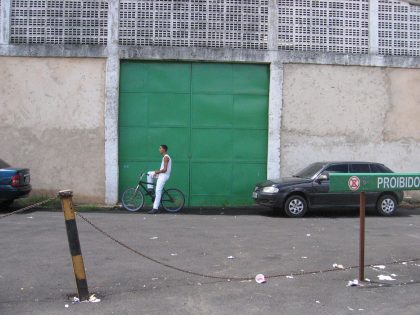
Despite the country’s marker as a “racial democracy,” racism and prejudice still persist in Brazil, often violently and with deadly consequences.