The earth below the surface
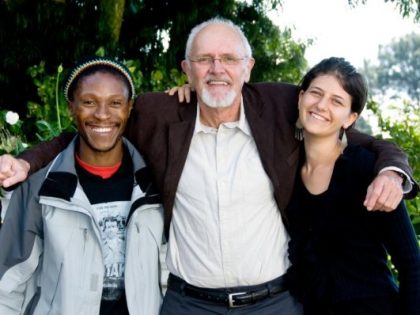
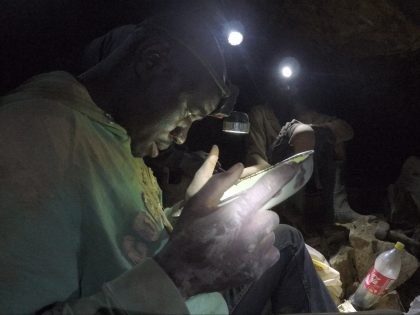
The film, 'We are Zama Zama,' about illegal miners in South Africa, is a social commentary on the failures of post-colonial liberal democracies in Southern Africa.
Search Result(s) for: “apartheid”
The film, 'We are Zama Zama,' about illegal miners in South Africa, is a social commentary on the failures of post-colonial liberal democracies in Southern Africa.
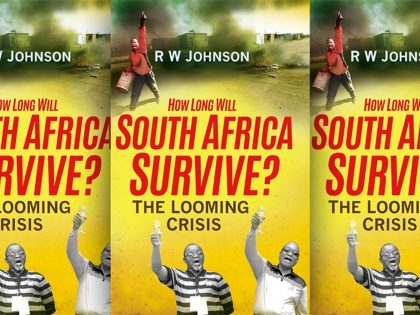
And why is the London Review of Books giving Johnson, a rightwing South African liberal, a regular platform to espouse his rantings?

We have no illusions about Sandler having a responsibility to create smart cinema.

The anti-Black Lives Matter backlash in South Africa highlights the growing ideological convergence between the far right and conservatives.
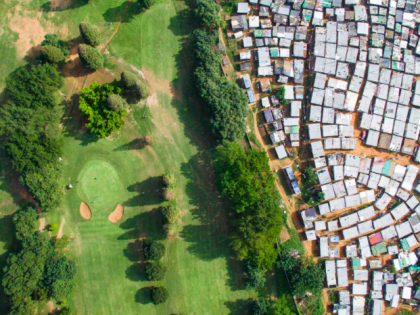
Anthropologist Johnny Miller's aerial photographs chronicles geographic stratifications in South Africa and beyond.
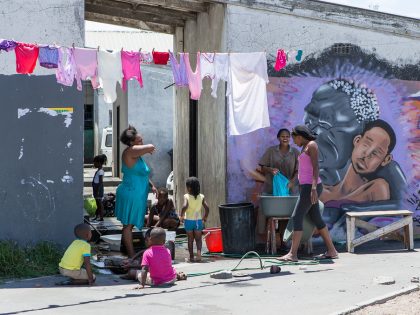
The coronavirus pandemic places moral, economic, and political questions before us. Only two answers remain: socialism or barbarism.
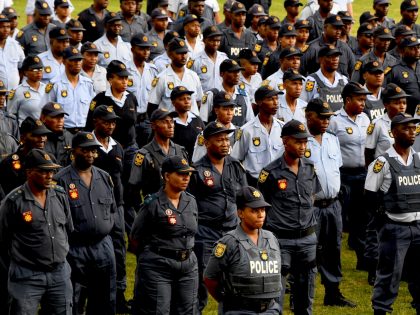
South Africa’s biggest city is ground zero for debates about the long-term effectiveness and constitutionality of militarized urban policing and how we imagine the post-COVID city.
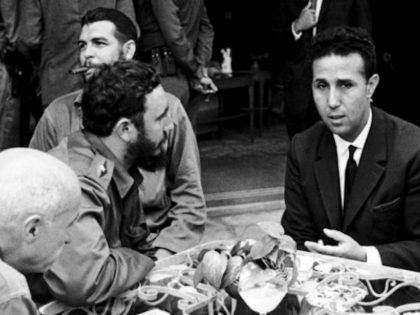
In the 1960s, Algiers was a beacon for worldwide liberation movements. What happened to its rebellious spirit?
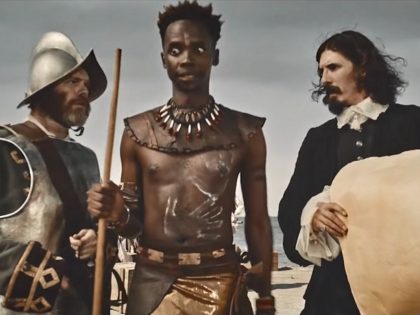
Duane Jethro goes to South African fast food chain, Chicken Licken, to eat a Big John Burger, and finds out the postcolonial feelings it inspires.
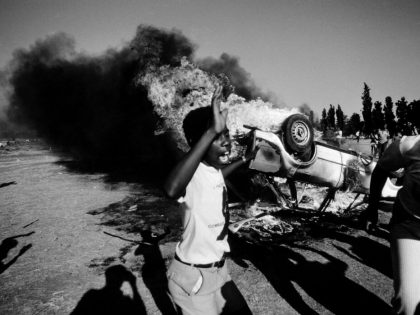
The song "Weeping" by Bright Blue is one of five South African tunes (and some of the albums they're on) that I have on repeat right now.
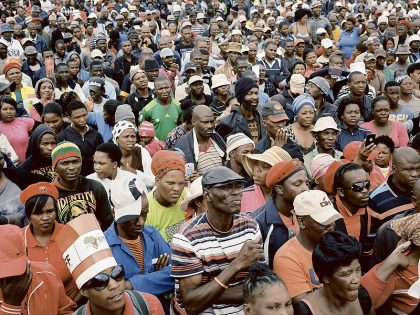
The relationship between the massacre of workers at Marikana and the rational destiny of market fundamentalism.
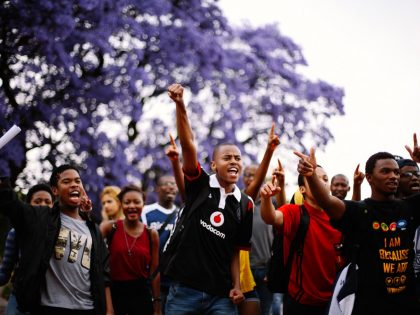
After the reawakening of South African student activism, what next? It is at the point of the rub between race, class and gender politics that the difficult questions present themselves.
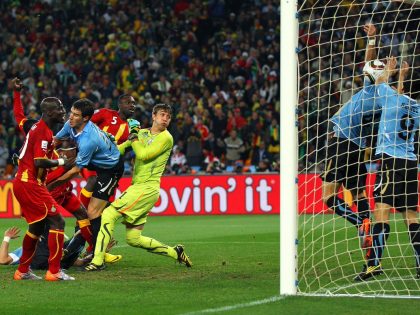
One of the weirder displays of Pan-Africanism descended on Johannesburg’s Soccer City on the evening of July 2, 2010.
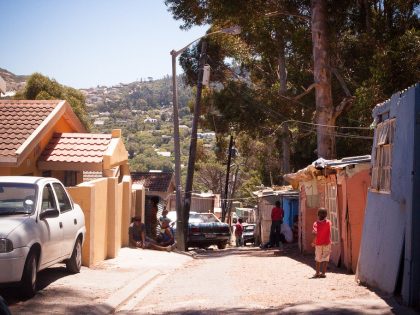
It’s very difficult for Spaza (hip hop done mostly in Xhosa) and Afrikaans hip hop to organically co-exist.
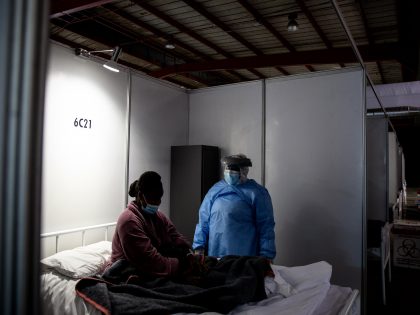
Anyone who lives in fear of getting sick exists in a state of unfreedom.

Media scholar Cara Moyer-Duncan wrote a book about postapartheid South Africa. Here she gives her book picks for our #ReadingList series.