The Year of Frantz Fanon
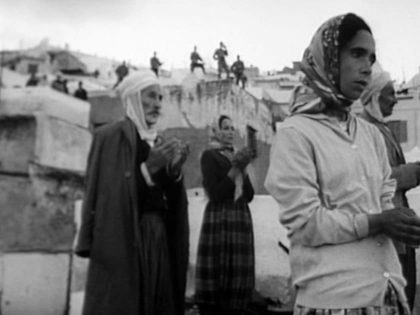
What gives Fanon's thinking its force and power is the air of indestructibility and the inexhaustible silo of humanity which it houses, argues Achille Mbembe.
What gives Fanon's thinking its force and power is the air of indestructibility and the inexhaustible silo of humanity which it houses, argues Achille Mbembe.
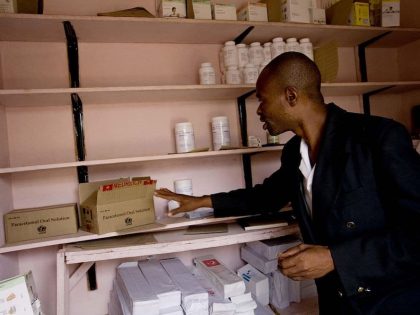
The health news - with major implications for Africans living on the continent - that made the headlines in 2011.
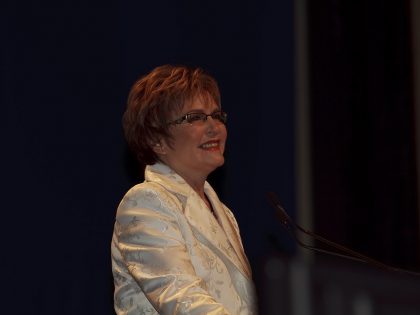
The leader of the opposition Democratic Alliance makes offensive remarks about AIDS, then smears her critics, AIDS activists and journalists, as Nazis.
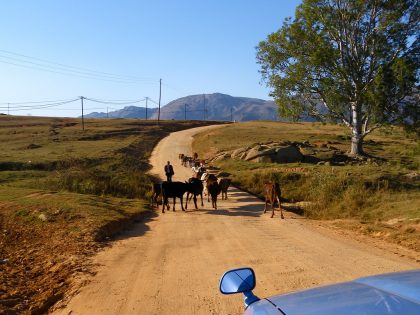
Politics, repression, religion, exile, tradition and mysticism in Swaziland, Southern Africa's last absolute monarchy.
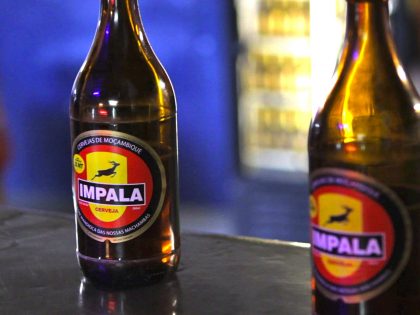
SABMiller's new Impala Beer is marketed to poor people who don’t buy other commercially distributed beers because they are too expensive.
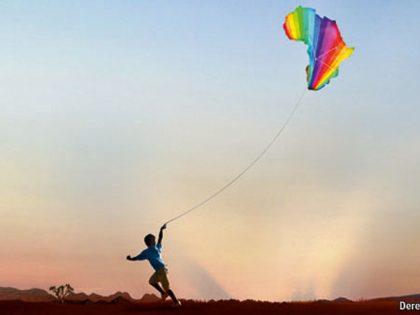
The Economist changed its verdict from "Hopeless Africa" to "Africa Rising" in eleven years. But few care about the latest verdict.
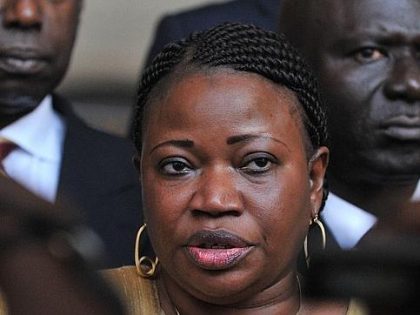
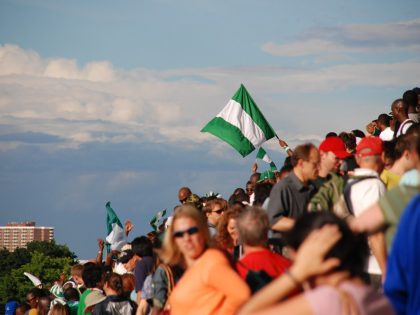
A quick read of comments to recent posts defending gay rights, point to how deep-seated and widespread homophobia is in Nigeria.
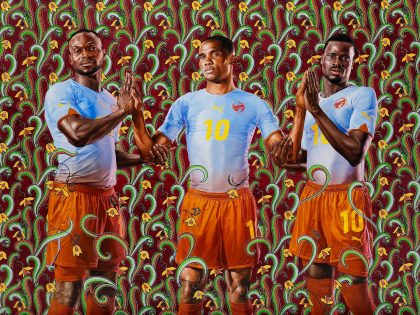
Africa's best football players come from West Africa. That's just facts.
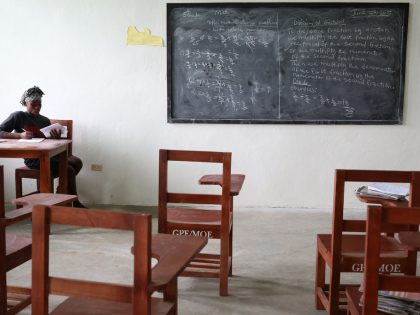
The regime of Ellen Sirleaf Johnson, Liberia's first post-conflict president, is increasingly guilty of lack of accountability and abetting corruption.

What happens when humanitarian agencies ditch the tried-and-trusted fundraising method of splashing disaster porn across screens and news pages?
Blind clichés, projections and stereotypes masquerading as analysis in Foreign Policy by Karen Leigh, Time Magazine’s correspondent for West Africa.