53 Article(s) by:
Orlando Reade
Orlando Reade is a Ph.D. student in English at Princeton University.

A Room Adrift in London
This thing about a boat on The Thames named for the one Joseph Conrad sailed up the River Congo before writing Heart of Darkness.

Afropolitan Divas
Numbi, a gathering space for the Somali diaspora artists in the UK, expands its focus to include poetry and music from elsewhere in East Africa and elsewhere at a showcase in East London.
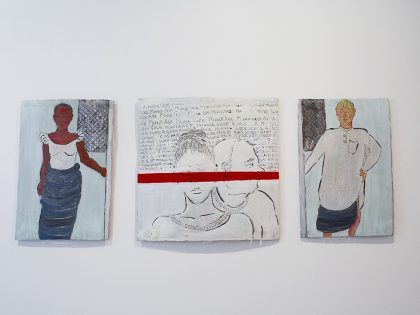
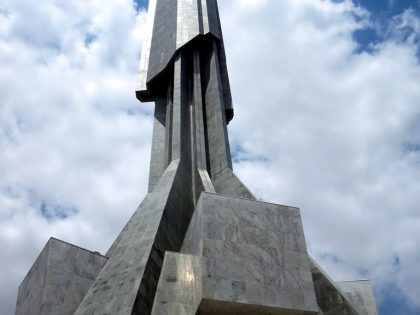
Africa as Science Fiction
Science fiction as genre offers the opportunity to African artists to consider Western cartographies of the future as fictions in their own right.
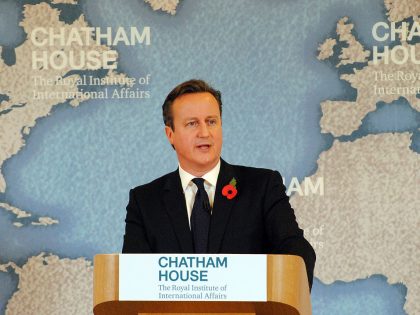
David Cameron’s Libya Doctrine
Britain's secret service, MI5, passed on sensitive information to their Libyan colleagues to torture dissidents.
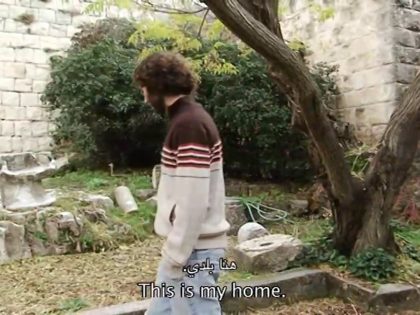
An unusual sensitivity
One of the striking facts of Nabil Ayouch's film is that Israelis love the land and the Palestinians love it too.

The civilizing mission of the white man
The recent controversy around Günter Grass’s criticisms of Germany's arms trade with Israel is an interesting post-script to the Namibian genocide controversy.

Germany’s Namibian Legacy
Jim Naughtom's images of Herero wearing German colonial outfits, is a powerful and necessary form of post-colonial critique.
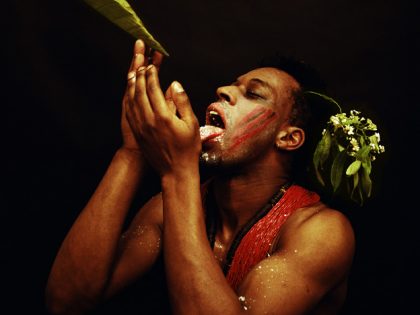
Nothing To Lose? The Art of Rotimi Fani-Kayode
The artist recognized early on that his sexuality constituted an obstacle between himself and his Nigerian background.
Golden Theater or Gutted Whore-house
The debates about the misrepresentation of Africa in the international art community as well as privileging diaspora artists over those working in the continent, rages on.
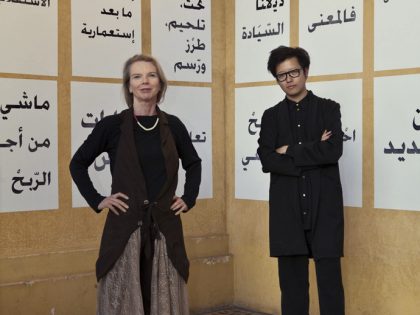


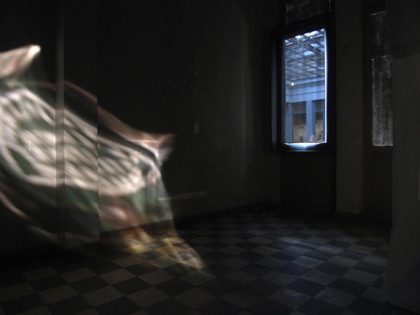
There is nothing left in Alexandria
In Egypt, the revolutions of the present may, in the future, become the failed revolutions of the past.