How do the struggles of one generation echo, decades later, in another’s?
Reading List
Authors write about the texts that they read, engaged with, while researching and writing their book.
The writings of Edson Sithole, Zimbabwe’s forgotten nationalist thinker, reveal both the promise and perils of pan-African politics in the independence era.

Materially speaking, oil is simply a sticky, black goo. It doesn’t have any innate power separate from the kind of society we live in — capitalism.
What can the lives of the women behind Afrobeat tell us about creativity, resistance, and the interplay of power and pleasure in 1970s Nigeria?
How did microfinance become a craze championed by bleeding-heart progressives to Global South economists, American presidents, and business executives?
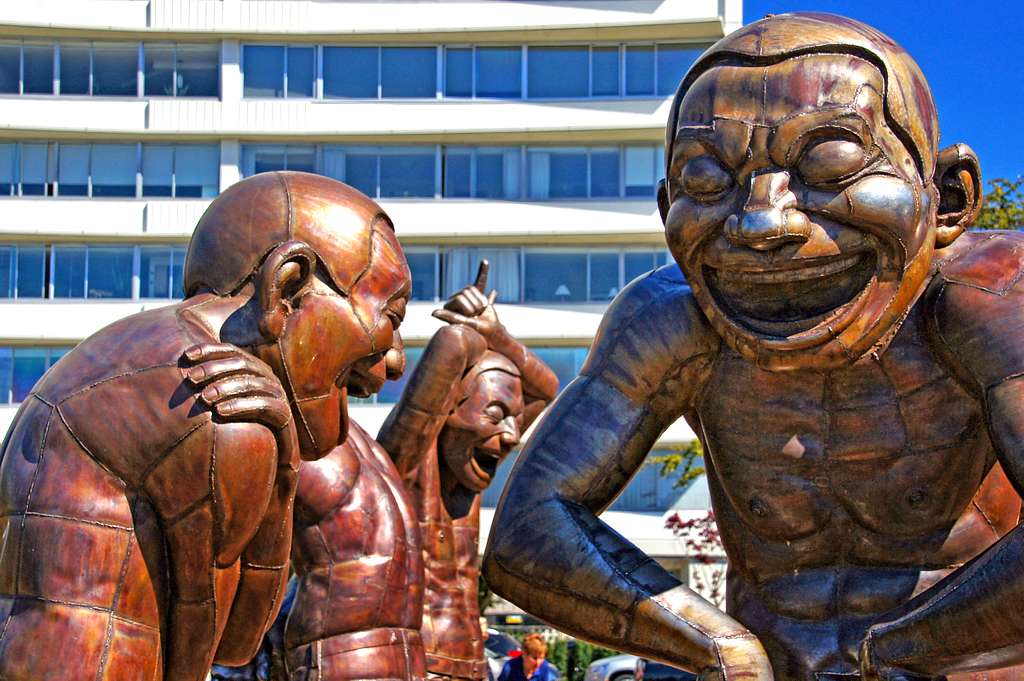
What is the relationship between humor and politics in Africa?
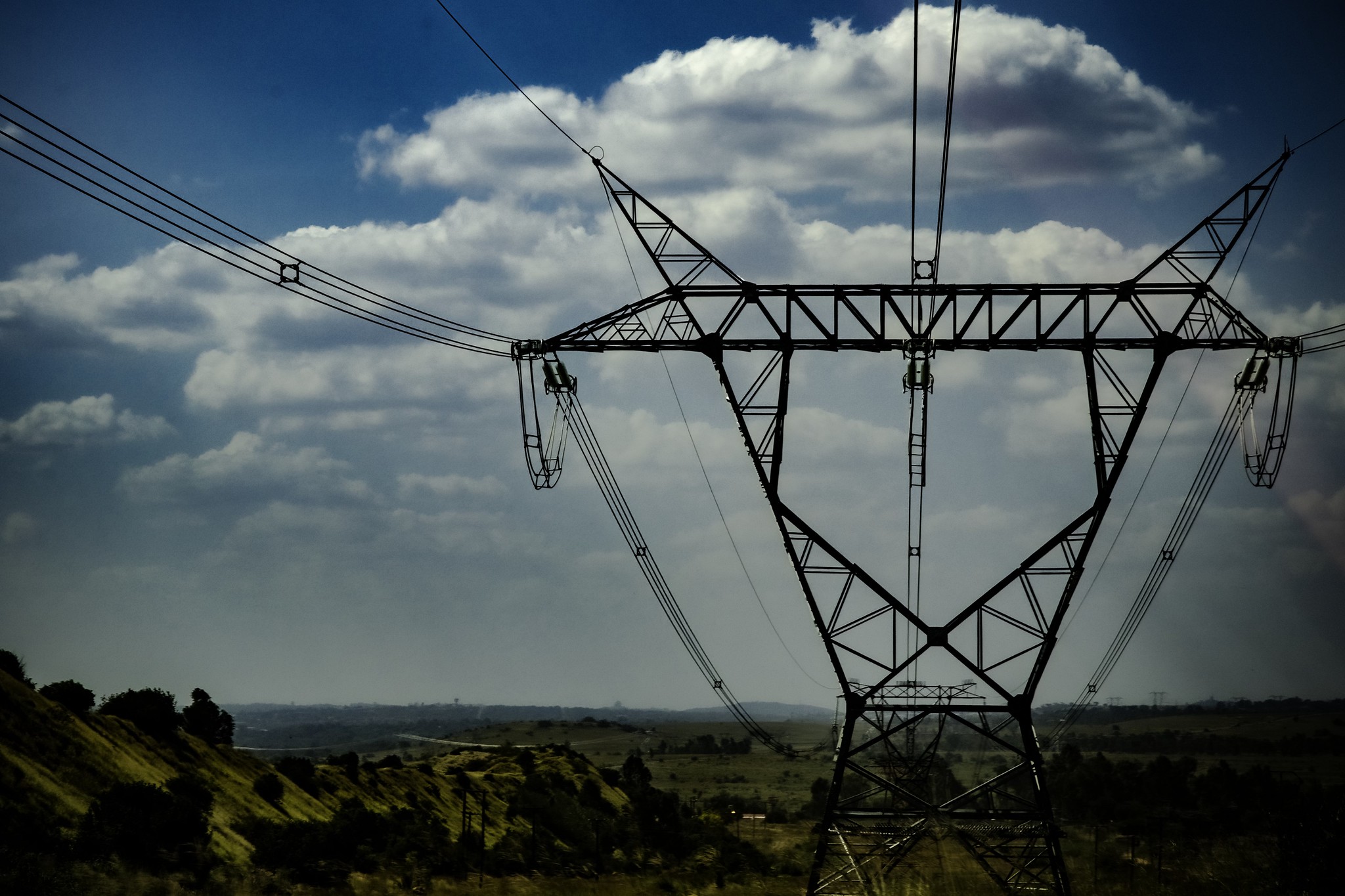
What does the history of South Africa’s power utility, Eskom, tell us about the apartheid and post-apartheid state?
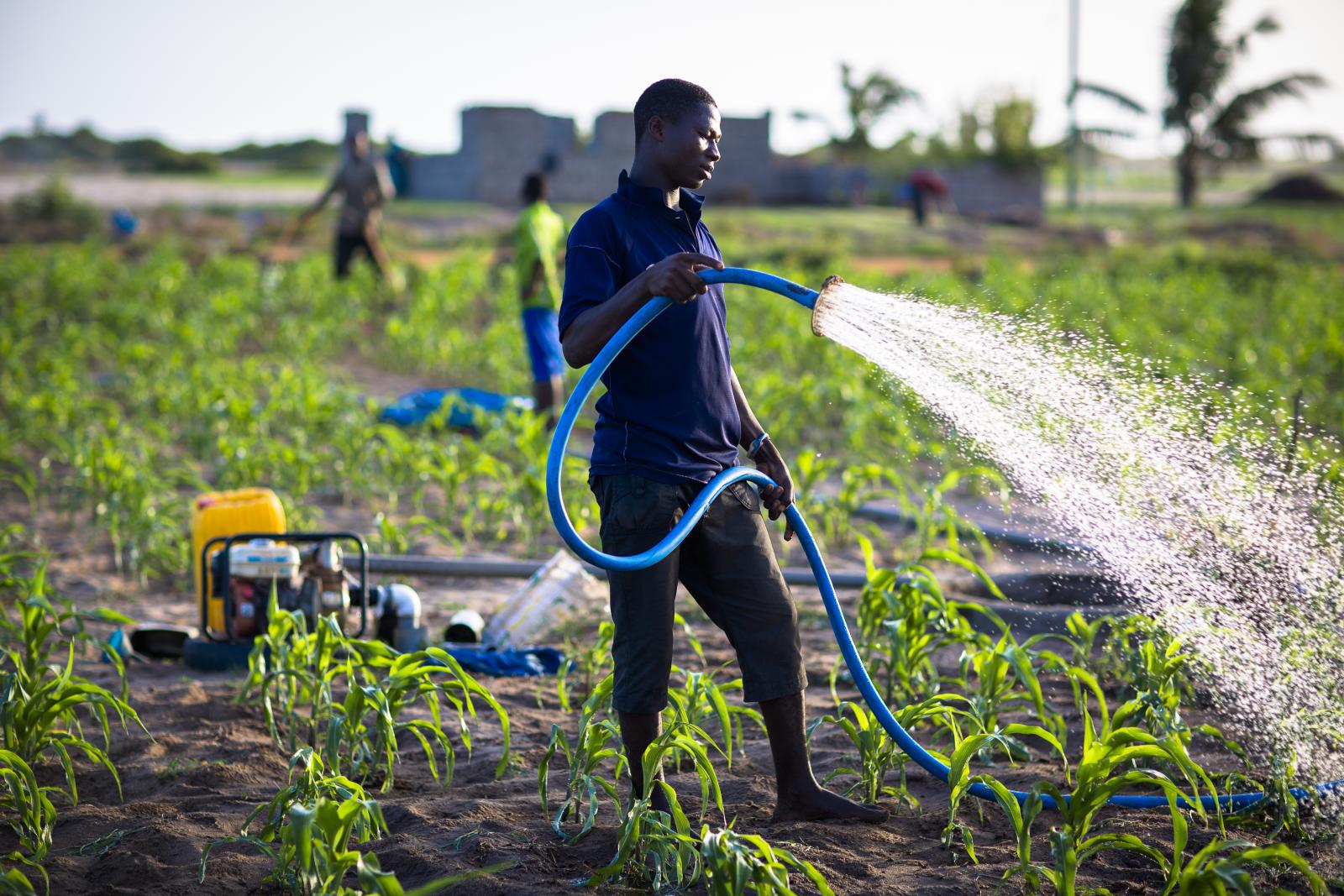
We often hear from Western donors that Africa suffers from food ‘scarcity.’ The real problem is the exploitation of African land, labor, and knowledge.
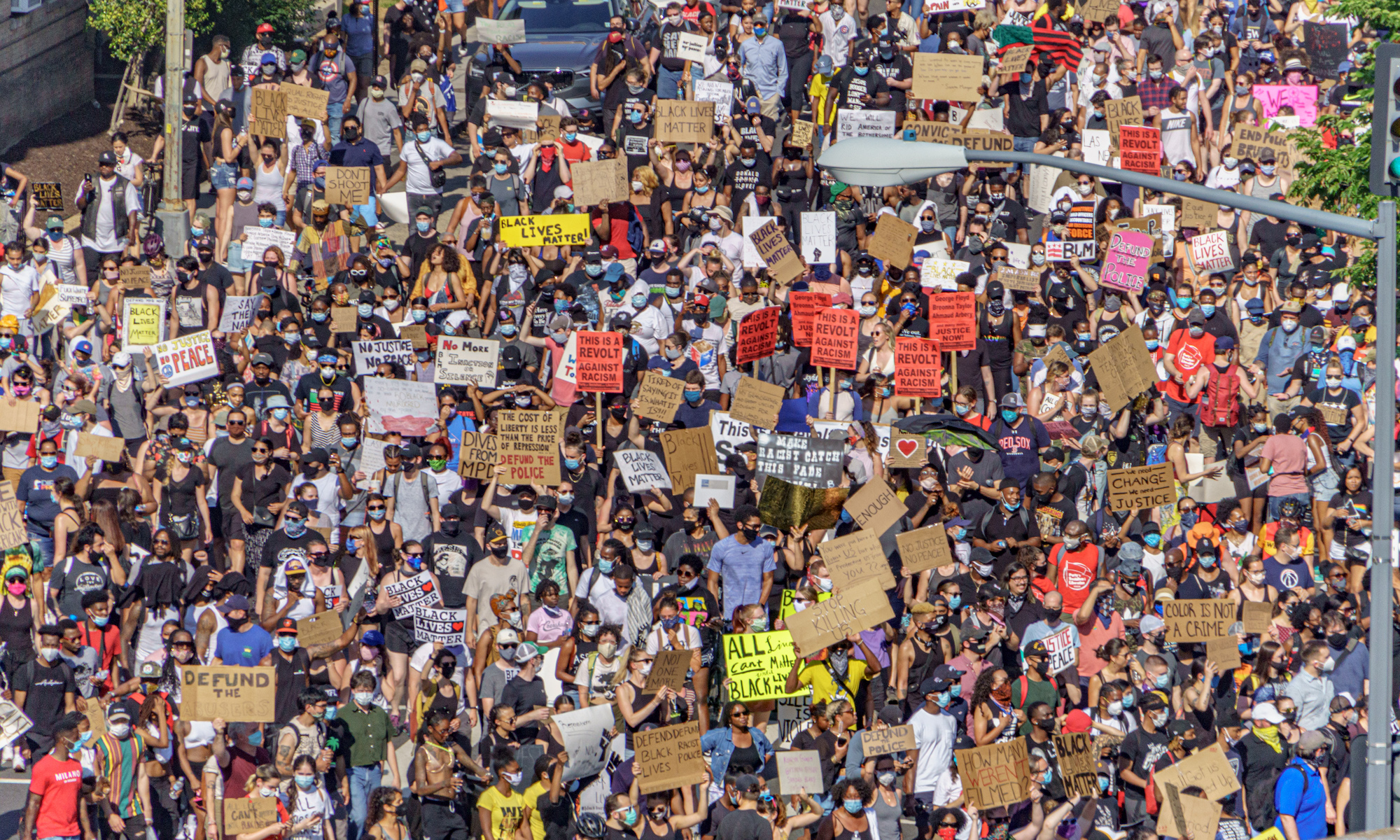
The last decade saw the most protests in human history. But how is it that so many uprisings led to the opposite of what they asked for?
Once associated with socialism, the language of participation has been co-opted. How was this radical idea depoliticized?
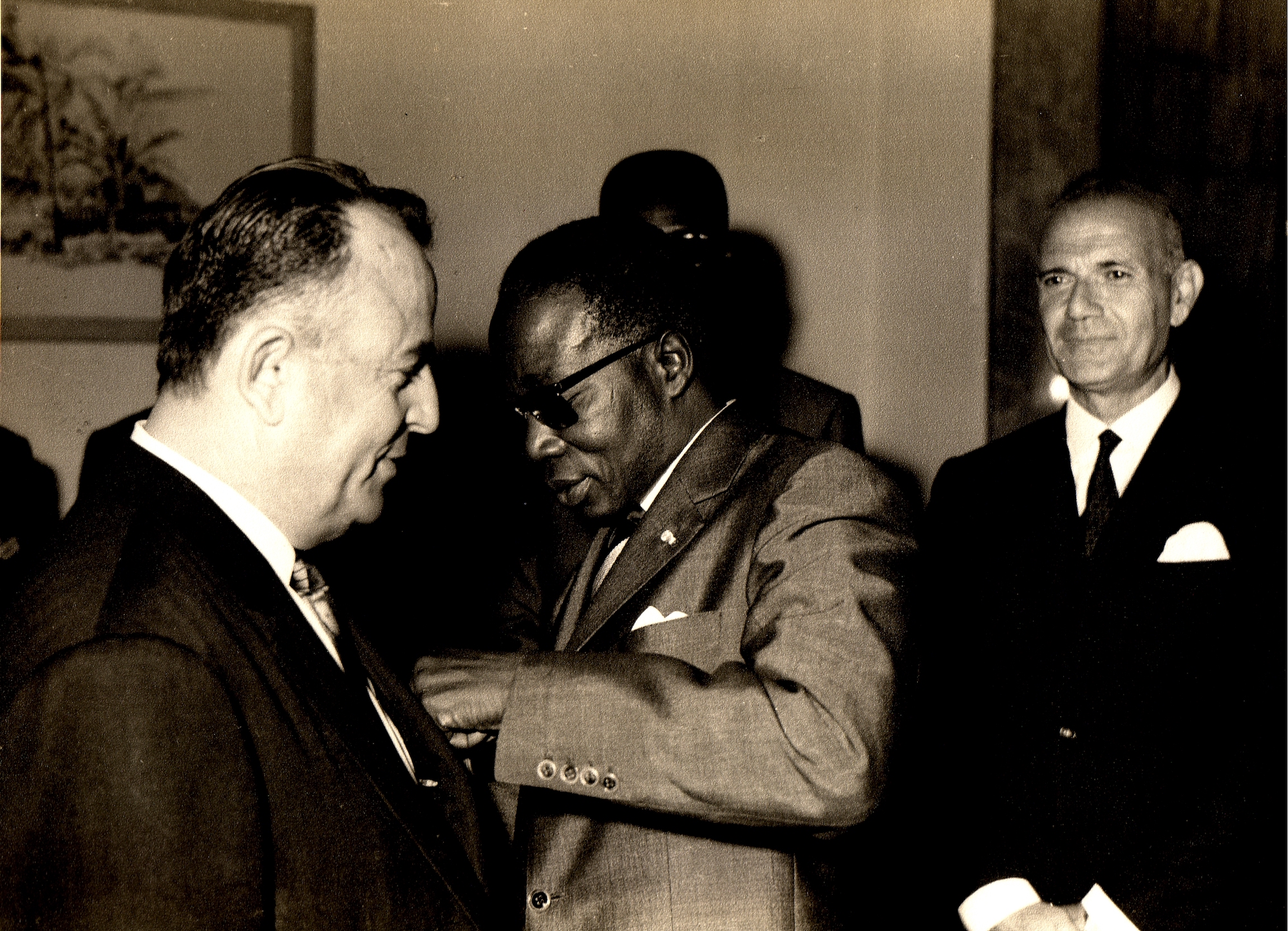
Ahead of the publication of his new book on Leopold Senghor and African political theology, the author selects books that inspired his writing process
Pedro Monaville selects key texts that helped shape a new book on Congolese student-driven left nationalism in the aftermath of Patrice Lumumba’s assassination.
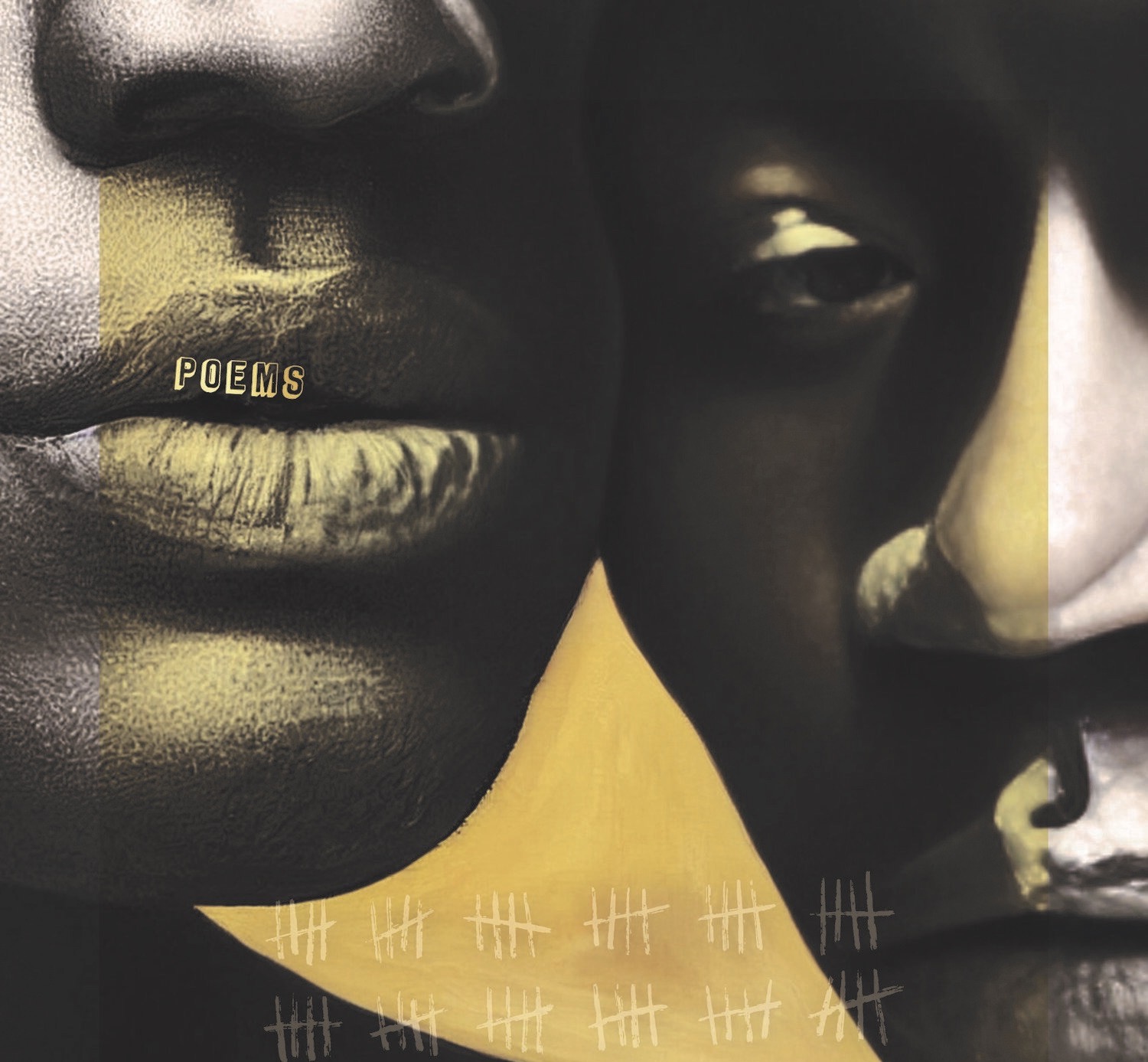
Nigerian Canadian poet Ayomide Bayowa discusses the influences behind his latest poetry collection.
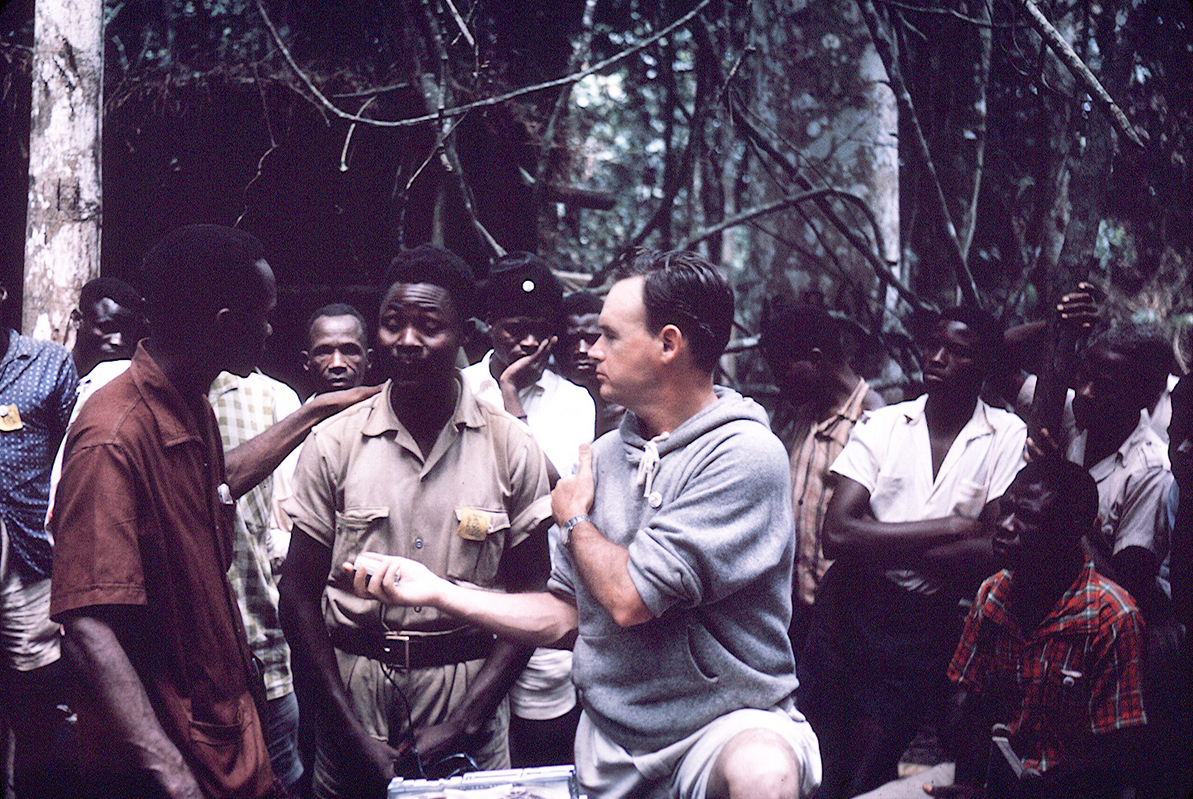
American civil rights activist George Houser was also active in Africa’s anti-colonial struggle. To write his biography, Sheila Collins widely read 20th century African political history.
While editing a collection of the writings of South African feminist Lauretta Ngcobo, Barbara Boswell found inspiration in texts that reflected Ngcobo’s sense that writing is an exercise of freedom.
Instead of listing the books that help her write 'Written Out: The Silencing of Regina Gelana Twala,' the author notes five books that shaped Regina Gelana Twala.
The author reflects on books that offer a long-historical perspective on African literature and history.
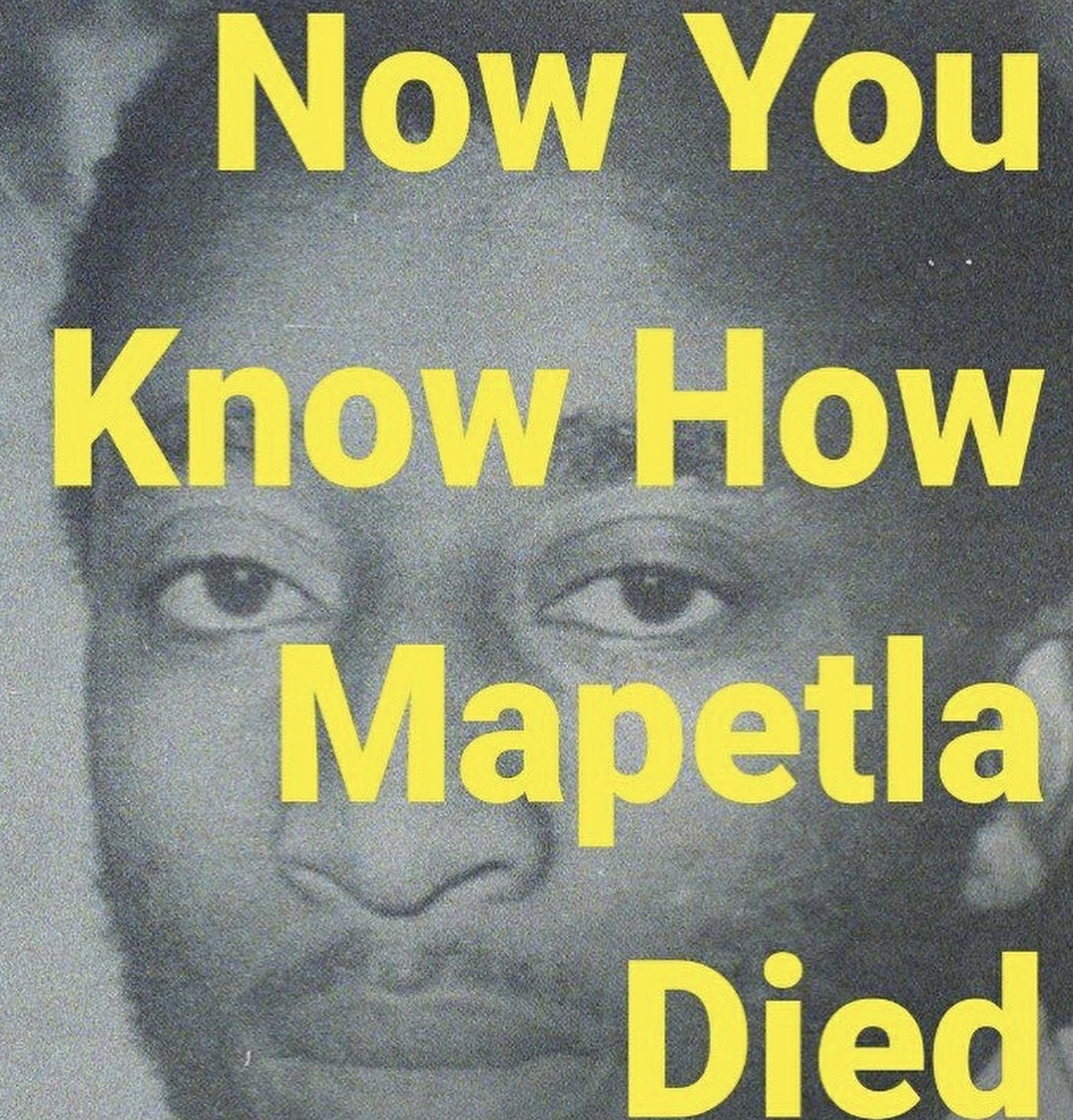
The author of 'Now You Know How Mapetla Died,' a book on the murder of a leading Black Consciousness leader, writes about her research.
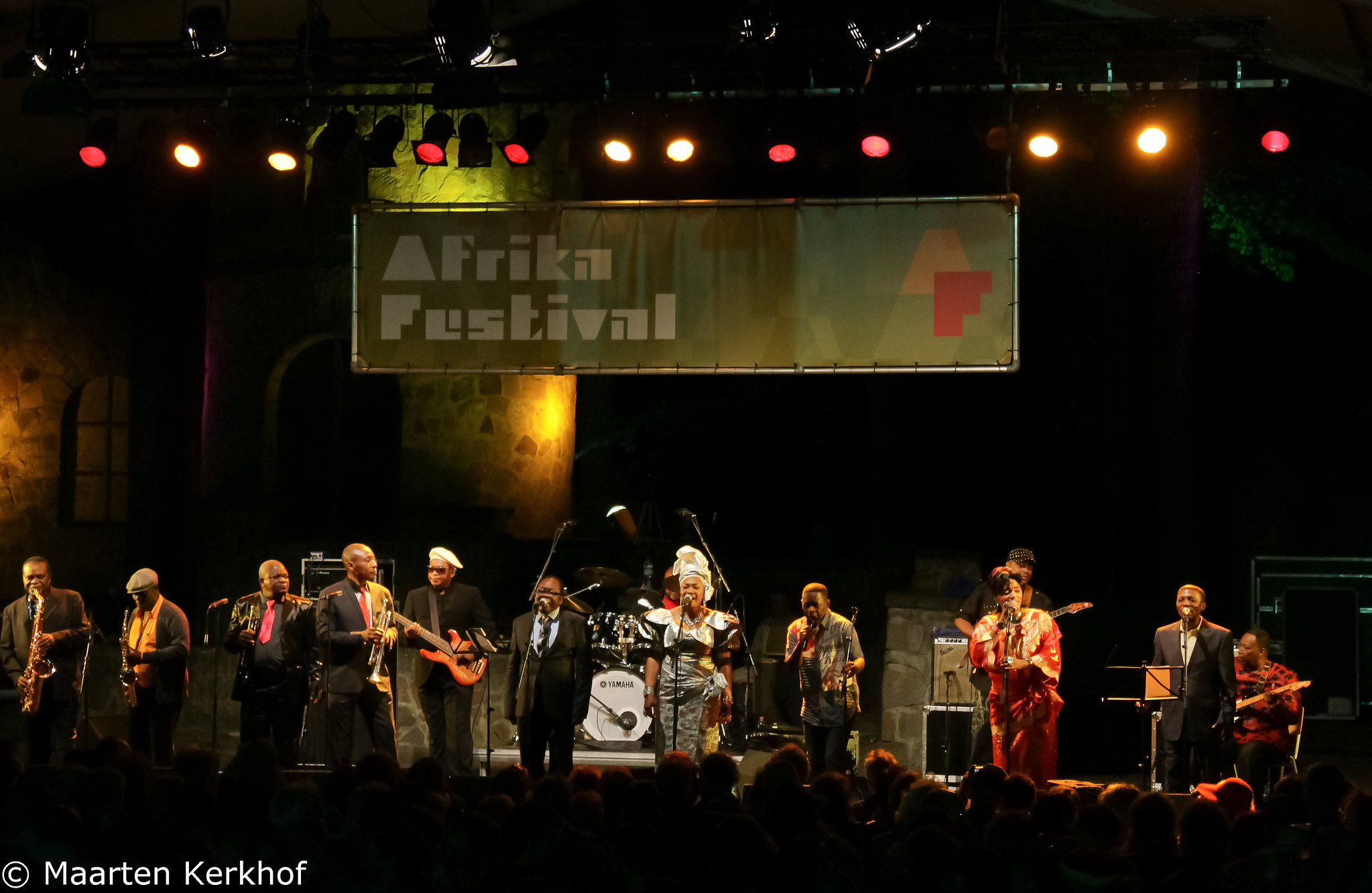
Anyone who has attempted to describe dance in writing knows how difficult it is. These books on dance on the continent and the diaspora gets close.
On the publication of his book on black life on the margins, the South African author reflects on work that expand the meaning of being black on the world.
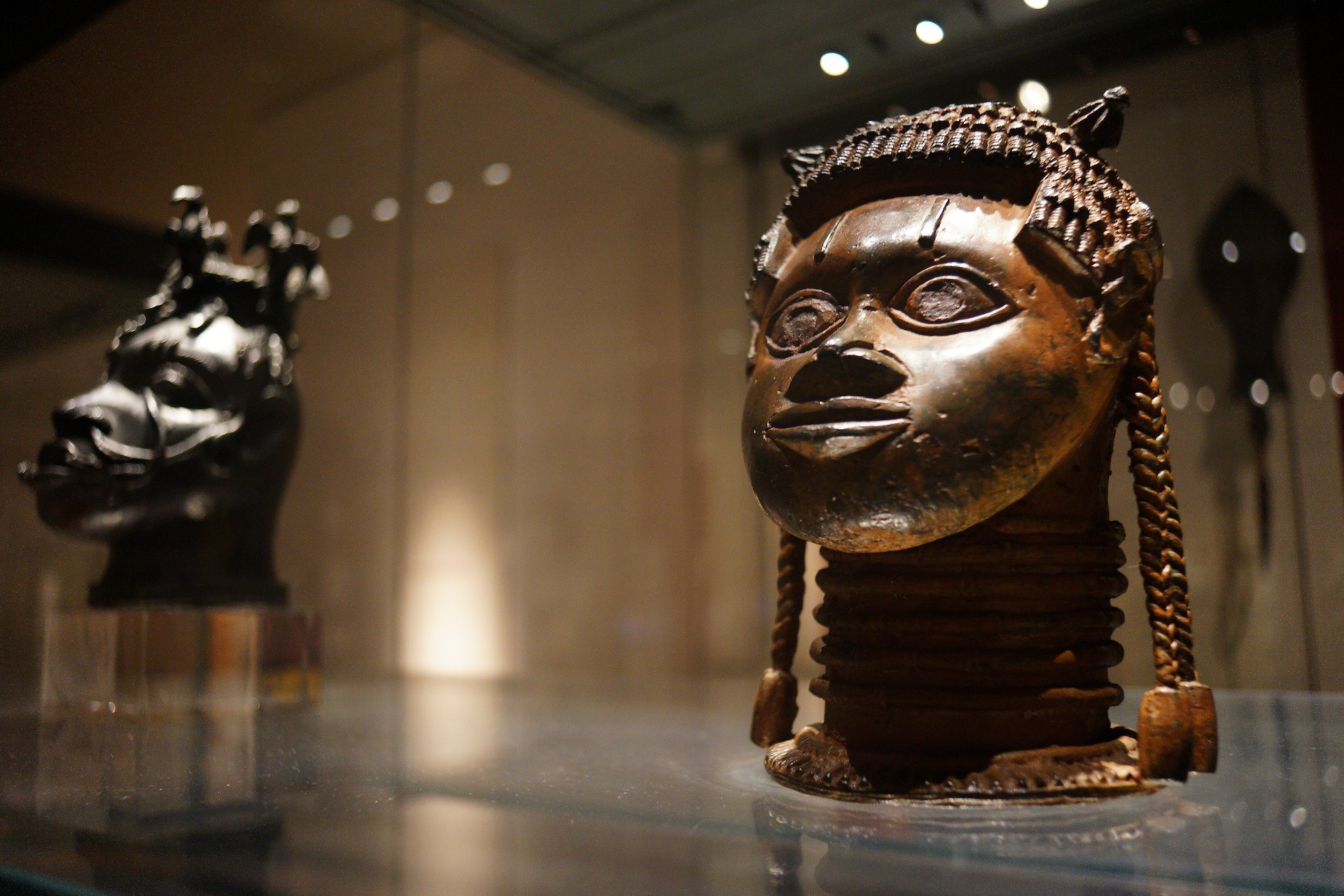
The author of 'Decolonize Museums' assembles a list of essential reading on the past, present and future of museums.
The award-winning South African author Melinda Ferguson takes us through a selection of books exploring freedom, death, truth, as well as psychedelics, which can be a route to pondering such big questions.
The author writes about books whose true power comes from excavating the perennial endemic diseases that never leave our sight.
The author’s new book wants to clear away some of the misunderstandings that dog Africa and China relations. Here, he catalogs the books that guided him.
The books that the author, a Cameroonian novelist, has been reading share an ethics of political engagement, a quest for identity and cultural inventory, and an ear for the voices and harmonies of African languages.
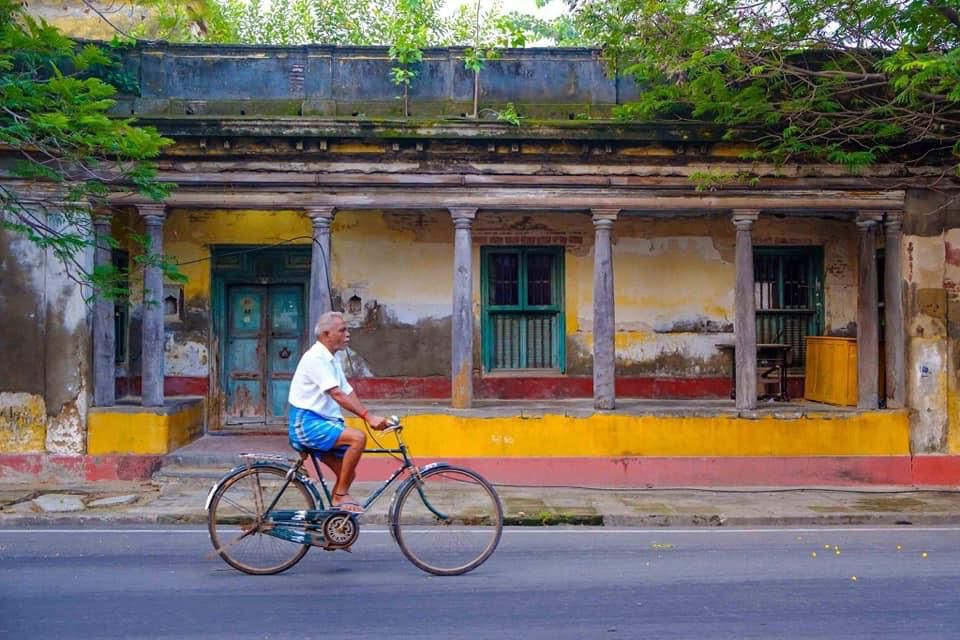
Writer Ari Gautier owes his own blend of mythology, Dalit consciousness, and surrealism to literary stylists such as Amos Tutuola, Pramoedya Ananta Toer and Jean-Joseph Rabearivelo.
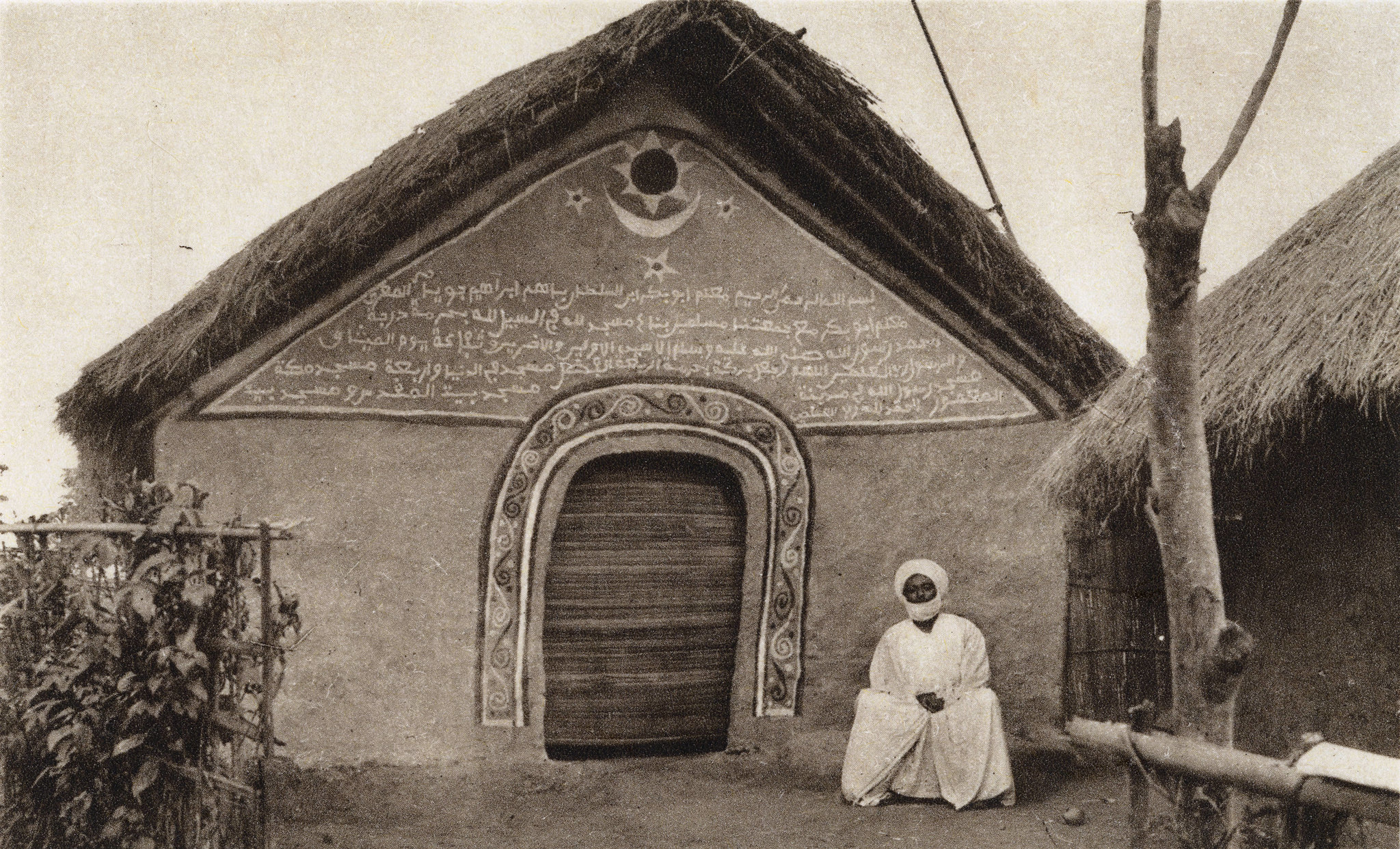
The novelist on 3 books he returns to: by Wole Soyinka, Ibn Khaldun, and a third on the history and the system of writing of an early 20th-century Cameroonian king.
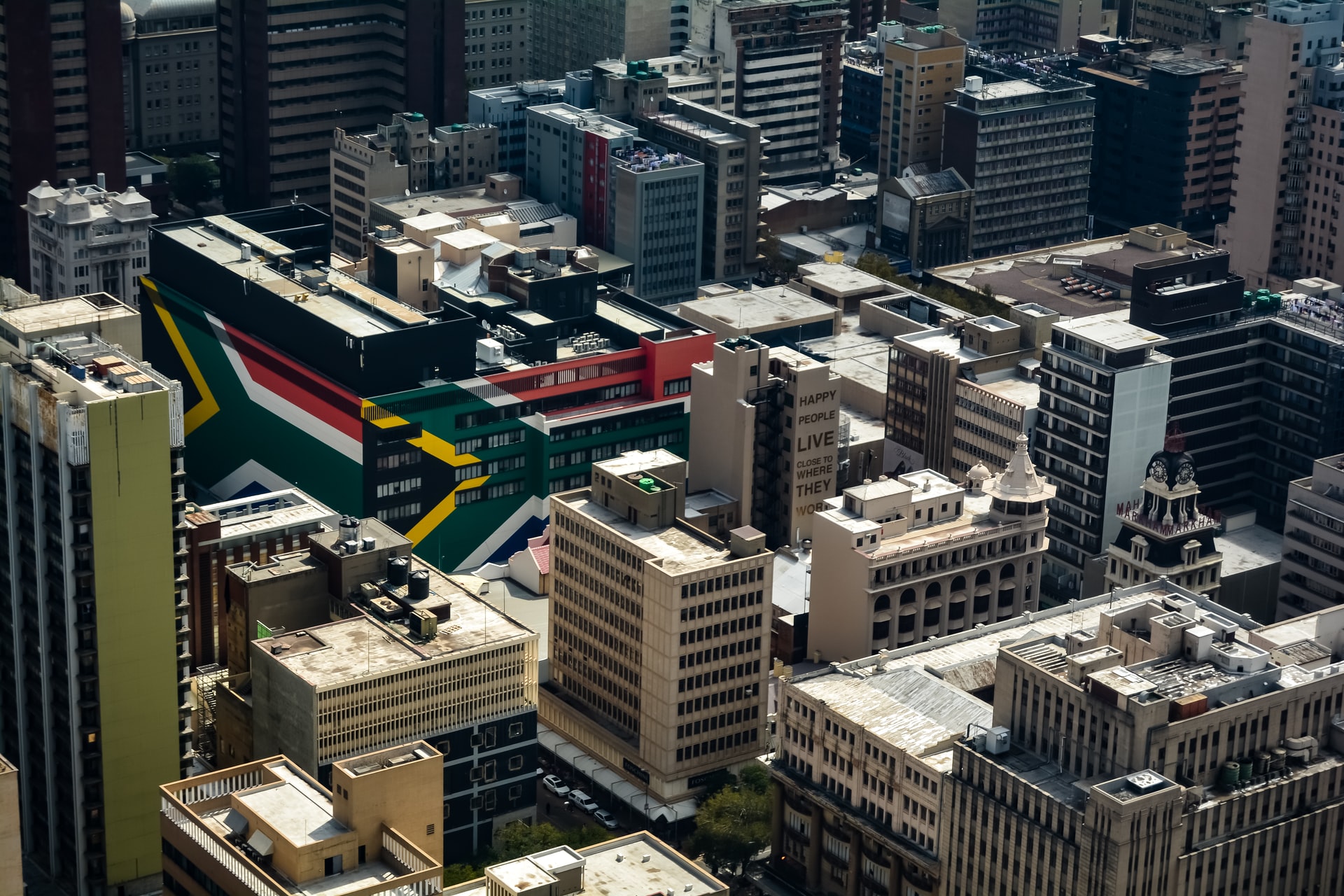
What happens to the contemporary explosion of moral panics, urban legends, and other paranoid narratives when they manifest in a place like South Africa?
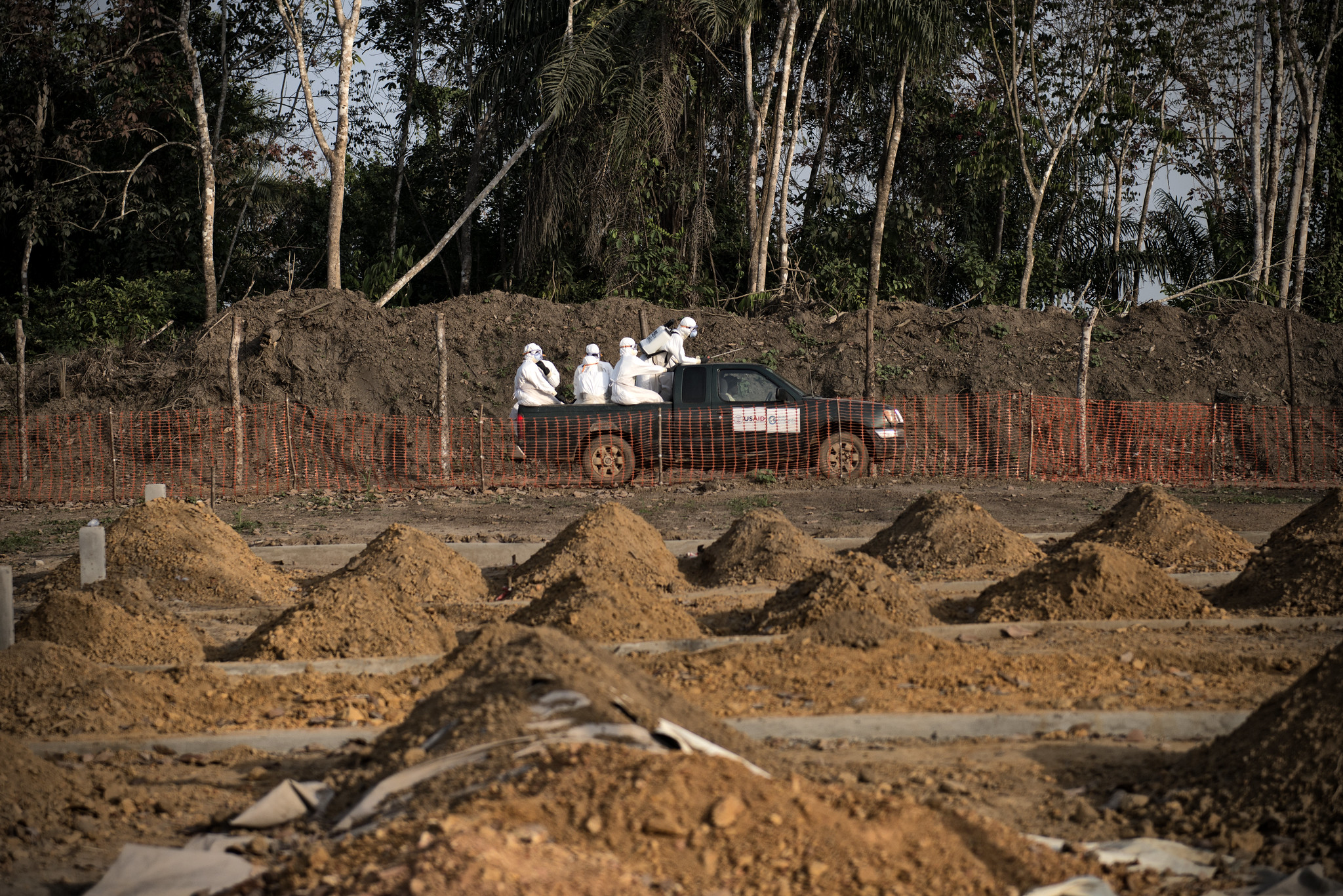
To address a difficult and traumatic subject like Ebola, the writer Véronique Tadjo turned to oral literature for inspiration.
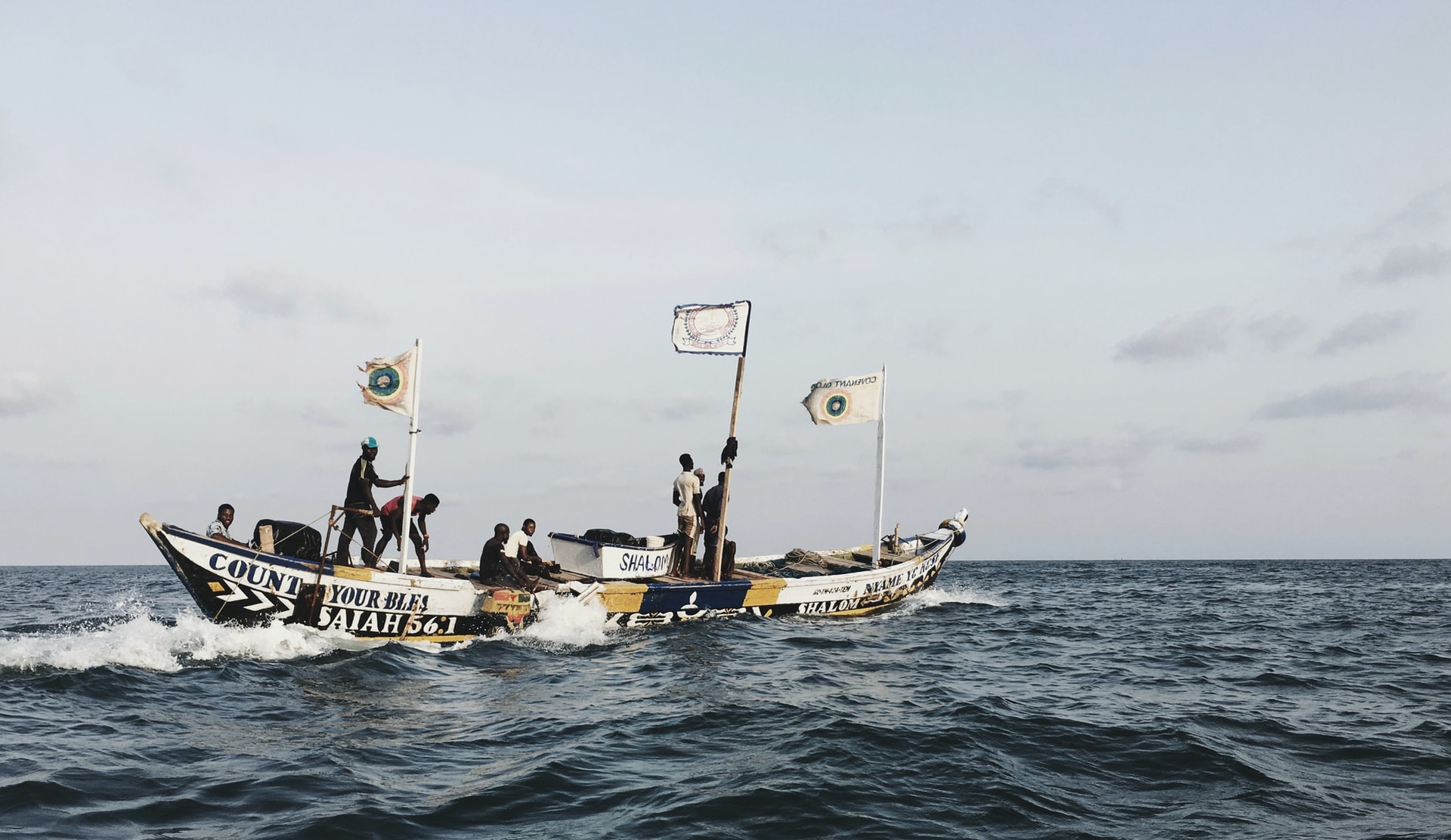
On telling stories through the evocative and varied moments in which humans live, rather than through the predictable and artificial plots historians devise.
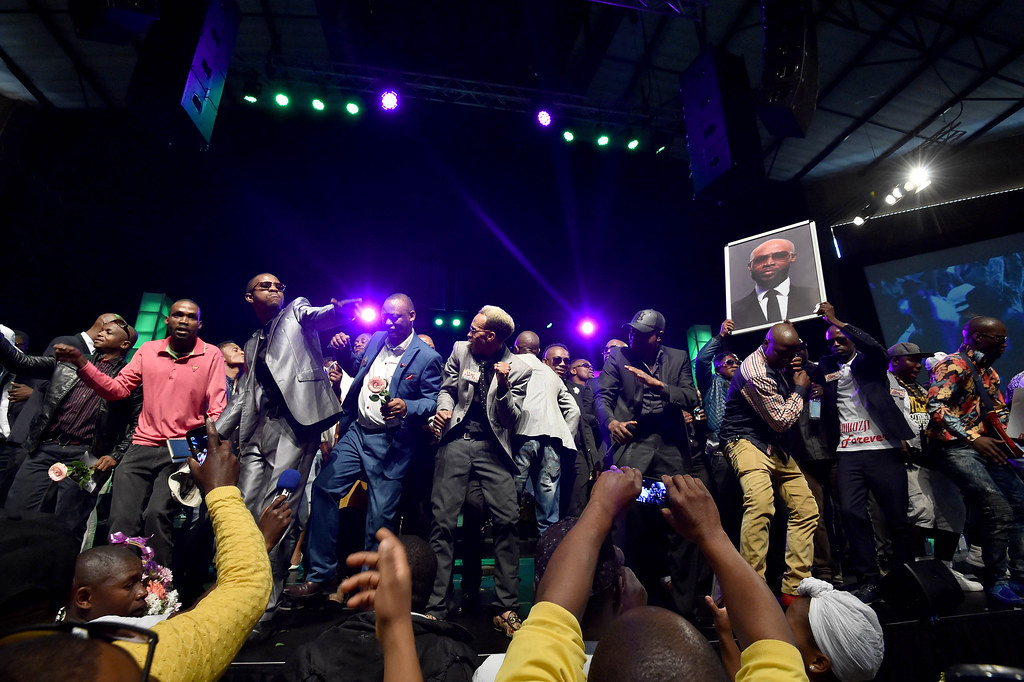
Livermon’s new book explores how South African kwaito artists, Lebo Mathosa and Mandoza, pushed against the boundaries of gender and performance in their music.
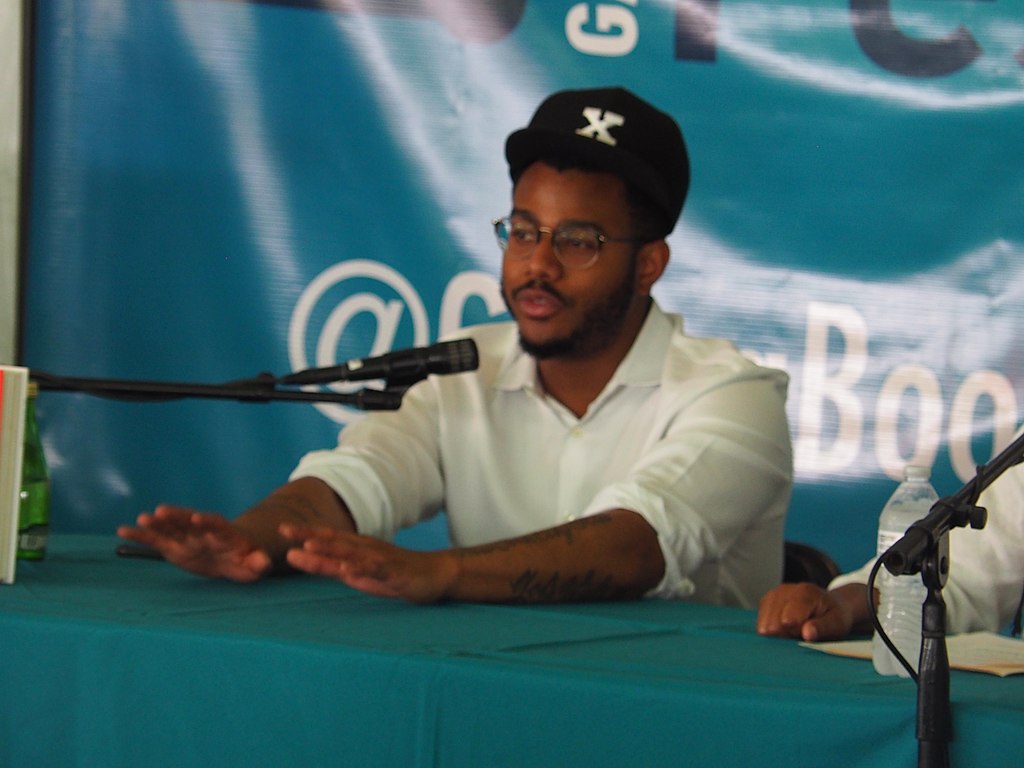
Media scholar Cara Moyer-Duncan wrote a book about postapartheid South Africa. Here she gives her book picks for our #ReadingList series.
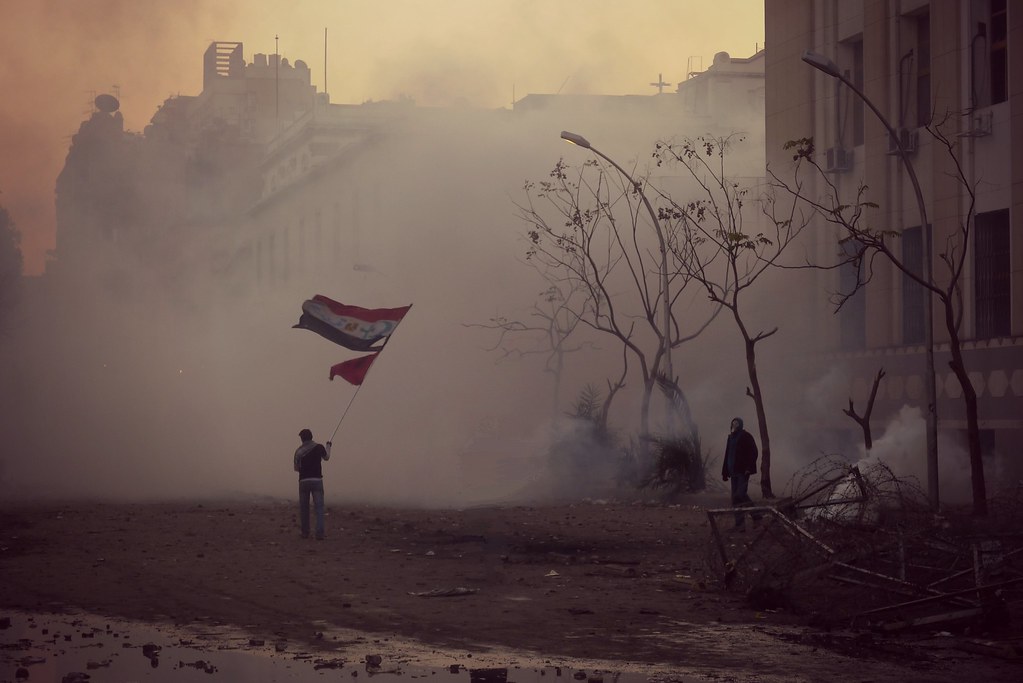
The author of a book on football and revolution in Egypt gives us a list of must reads on football in the Middle East and North Africa.
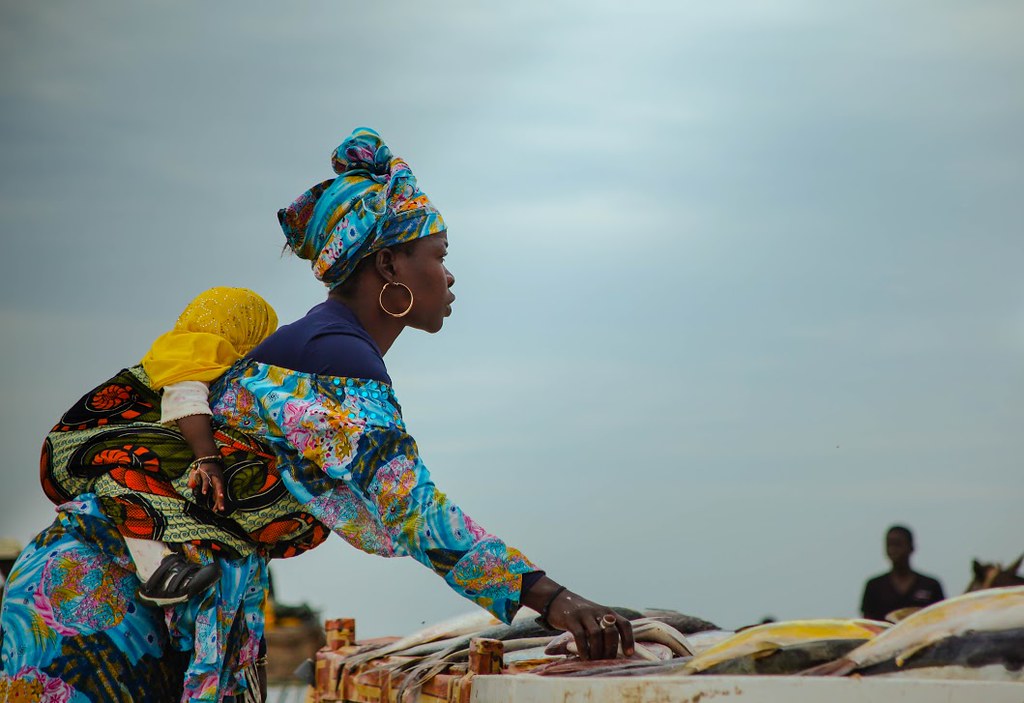
The author and journalist shares a reading list from her time as The New York Times' Bureau Chief for West Africa.
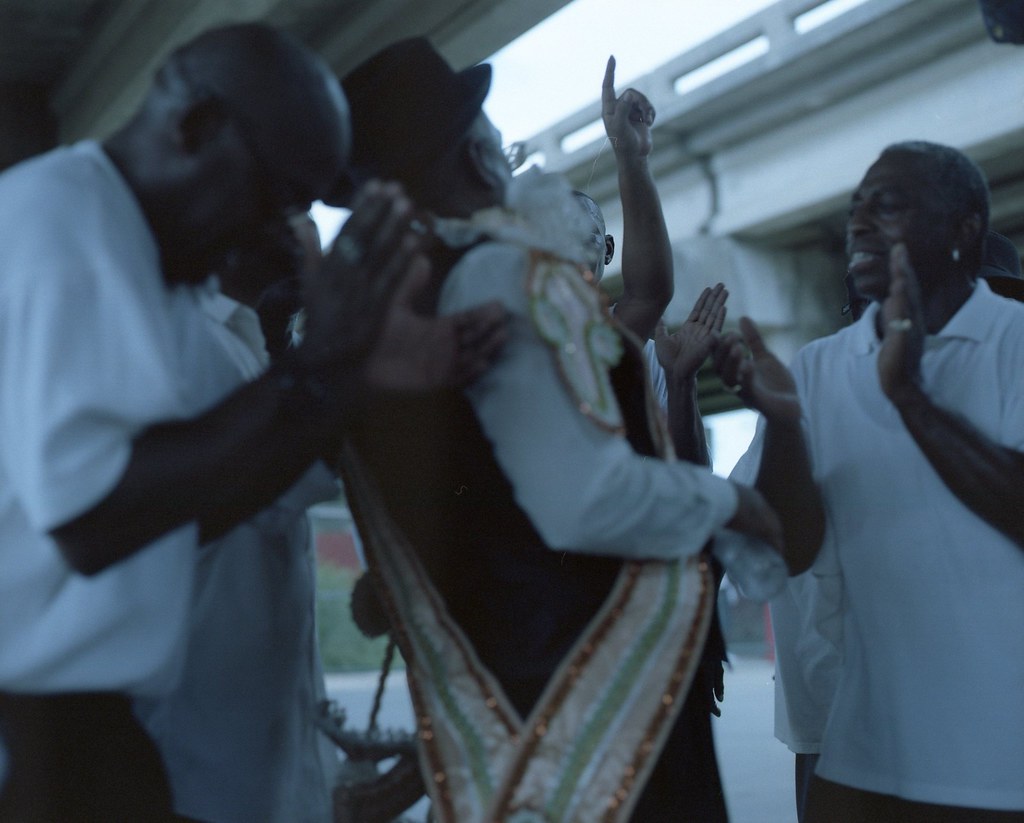
Among the books historian Tallie has on his reading list is one about the food of the American Old South — “ . . . a forgotten Little Africa but nobody speaks of it that way.”
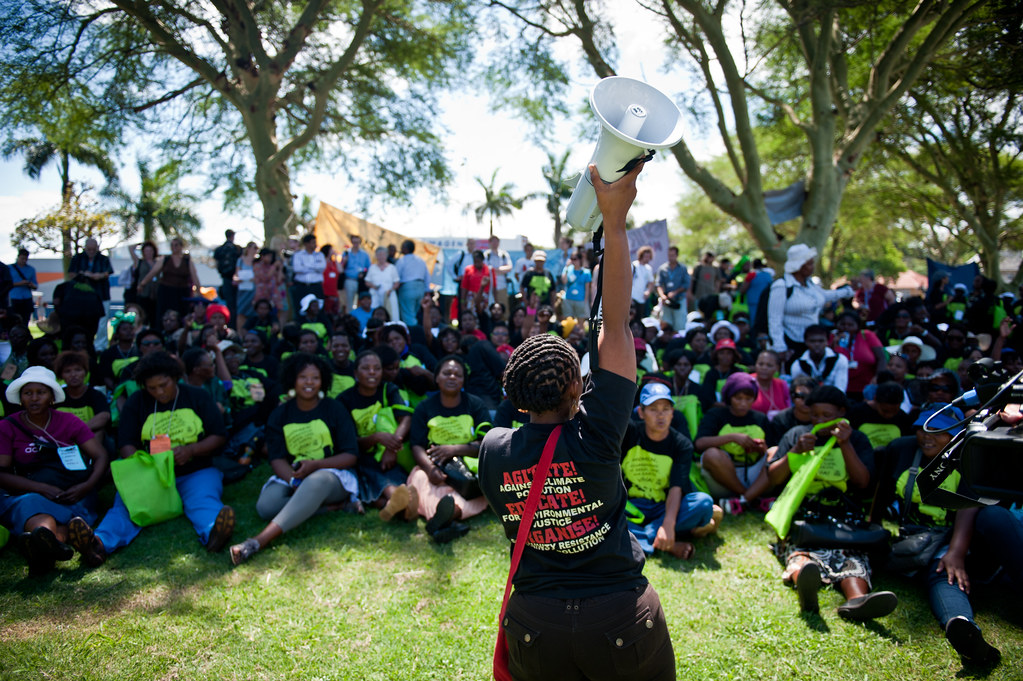
The historian of South Africa on books she is reading for a new project on women and anti-apartheid activities in 1950s rural KwaZulu-Natal.
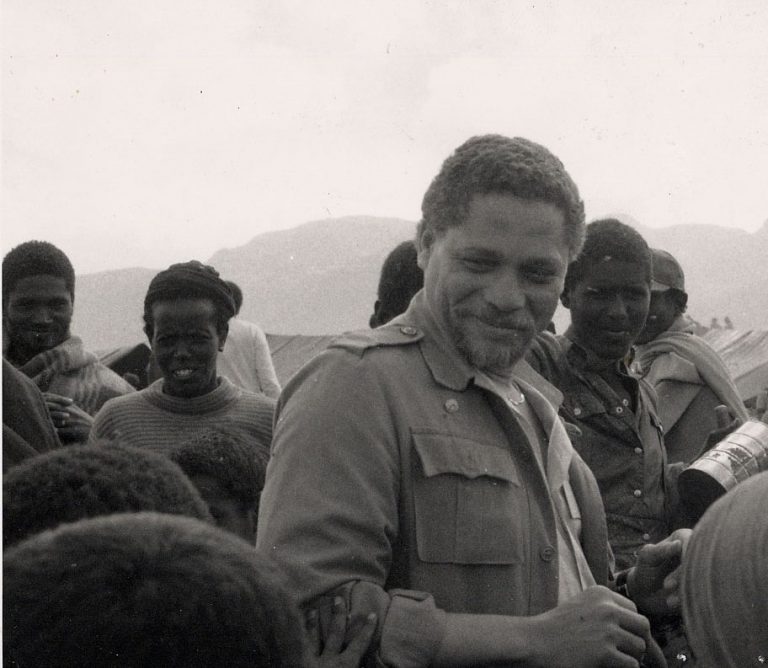
The writer, a historian, on scholarly texts, novels, and memoirs that he consulted in writing a political biography of US congressman Mickey Leland and his solidarity politics in Africa.
The writer, a historian of capitalism, white supremacy, and US imperialism, on four books he has been reading.
English Professor and Editor of Brittle Paper, recommends five books she’s been reading.
The author, a regular contributor, summarizes four new books she's been reading.