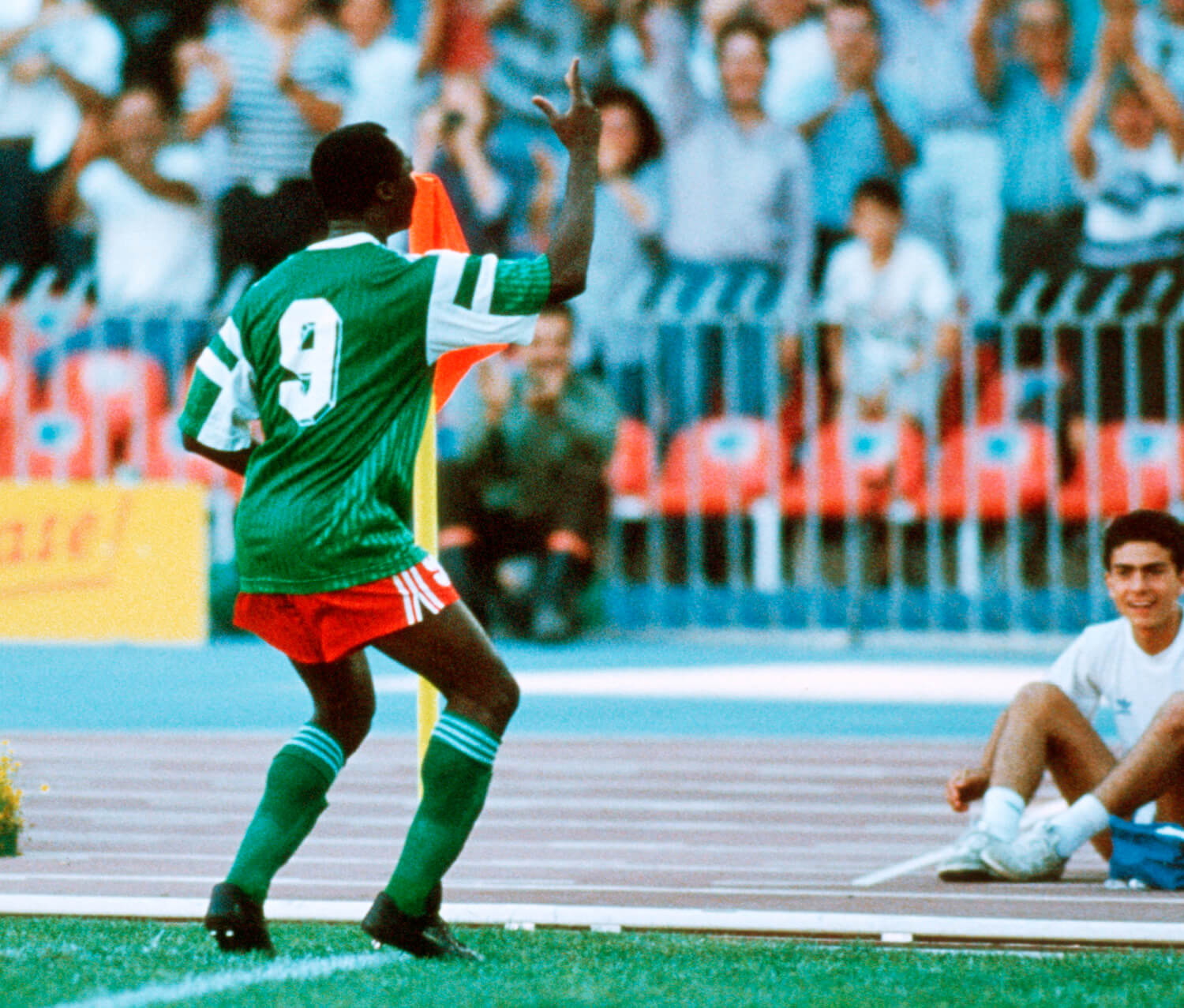
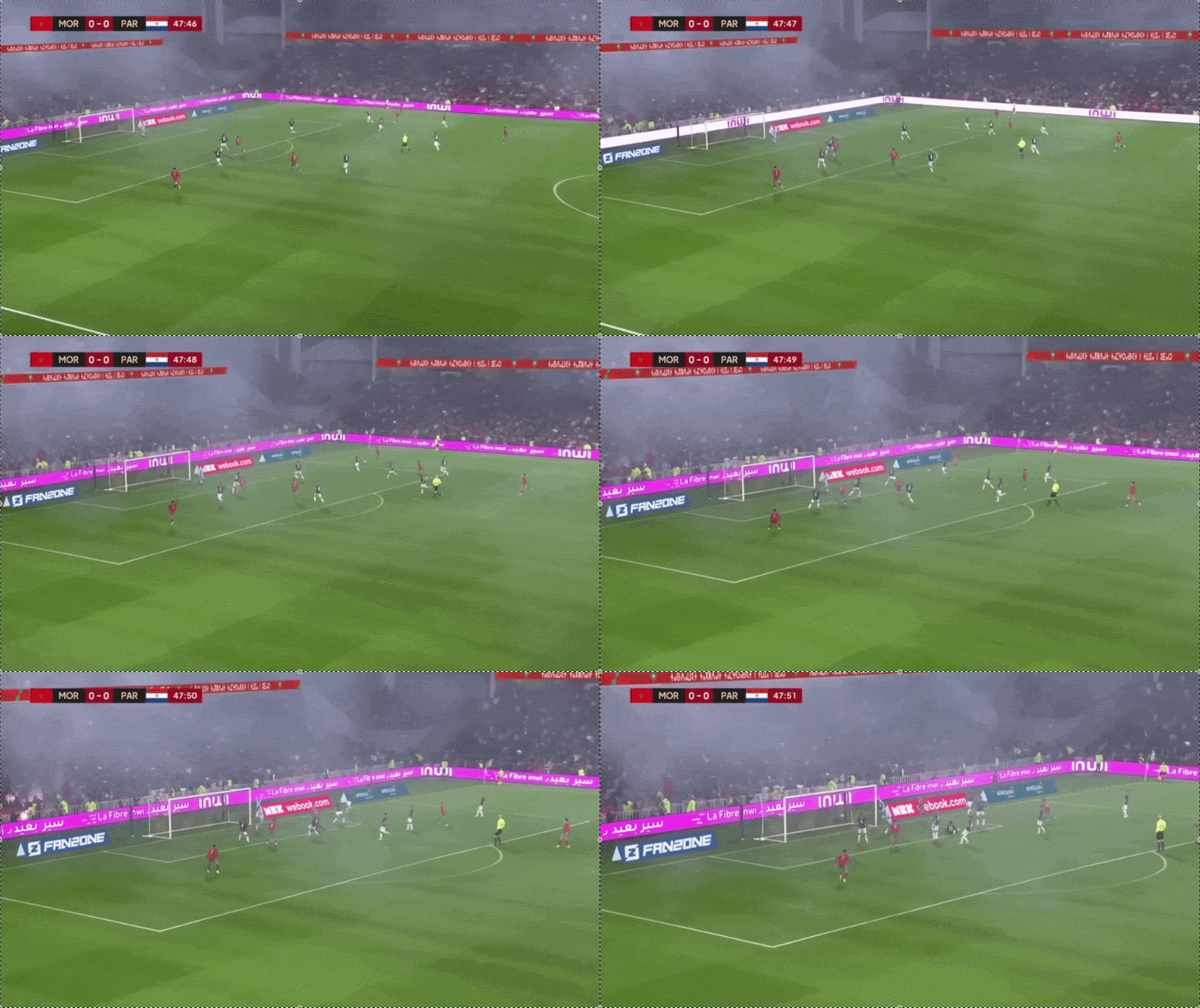
You may have noticed by the header and the timing of this newsletter that things look a bit different. That’s because this week we’re taking the opportunity to introduce a new project here at Africa Is a Country. On the occasion of the lead up to our coverage of the 2026 World Cup, (which will include a new physical edition of AIAC, a salon-style event focused on the World Cup in New York on June 10, and up-to-the-minute coverage from cities across North America), we are launching the The Corner Flag, a newsletter edited by Maher Mezahi, our sports contributing editor, and the African Five-a-Side Podcast host. The name is an invitation, in the spirit of the ubiquitous and ever stylish African goal dance, to celebrate African sport with us. The newsletter will come out a couple of times a month, you can control which newsletters you receive from us by updating your subscription preferences at the bottom of each mailing. We’ll let Maher take it from here. – Boima Tucker, director of operations A few months have passed since that unforgettable 2025 Africa Cup of Nations final in Rabat—a match in which Senegal defeated Morocco 1-0 in extra time. The final itself was appointment viewing: a tightly-contested and entertaining tactical battle that boiled over after a couple of contentious officiating decisions, triggering the Senegalese team to walk off the pitch for a significant period of time. After play resumed, Pape Gueye scored the game’s only goal, unleashing a screamer into the top corner of the Moroccan goal with his powerful left foot. Immediately after the final whistle, journalists on site were solicited by television and radio stations around the world. I remember telling colleagues over at The Monday Night Club and the Totally Football Show that I barely recalled anything that transpired, such was the chaotic nature of the finish. My brain felt like mush. However, during the media roundup that very evening, a familiar question reared its ugly head: "What does this mean for the credibility of African football?" That night, the question irked me. I took it to mean: “How does this make African football look in the eyes of the West?” It was a question that ignored the fact that the 2025 AFCON was the most successful in the competition’s history if measured by infrastructural investment and the number of commercial partnerships inked. Plus, walk-offs—while rare—are not unprecedented in the world of football. So I decided to boot the question out of play… but it is one that has proved stubborn in its willingness to re-emerge. Indeed, now, a couple of months later, it has returned with a vengeance after the CAF Appeals Board decided to reverse the result and declare Morocco the 2025 AFCON champions. This time, the question was not just being posed by media outlets outside Africa, but by African football journalists themselves. "What does this mean for the credibility of African football?" Do those who ask that question really mean that African football just lacks professionalism? Some advanced a financial argument: “If CAF’s credibility is shot, sponsors and television partners will flee and refuse to invest in the product.” So, I went out of my way to ask a European television executive whose channel covered the AFCON final if he thought the controversy of the final could drive away television partners. He responded: If you take a look at the viewing figures, there’s a huge spike towards the end of the match. In this age of social media and WhatsApp… you can just imagine people sending messages on group chats and telling their friends and family to tune in. To some extent, you can almost celebrate that. CAF has to ask themselves if they are trying to make the Africa Cup of Nations the most polished tournament around. Or are they happy for it to sit somewhere between that and being a little crazy and having these amazing narratives? When it comes to football, people love stories and narratives, and AFCON has that, so I don’t think that’s so bad. So, if the AFCON remains financially viable, then why is credibility important? Remember when Jamie Carragher, the former Liverpool defender and current television pundit, was roundly criticized on the continent for saying that Mohamed Salah was an outsider to win the Ballon d’Or—even if he won the AFCON—because the tournament is not perceived to be "major?" After the Appeals Board reversed the decision, Carragher triumphantly posted a meme of Leonardo DiCaprio shrugging his shoulders, as if to say he had been proved right. I like Carragher as a pundit. His straight-edge honesty is refreshing in a television landscape increasingly populated by former players too afraid to criticize their former teammates. And to his credit, he wasn’t saying that he didn’t think the AFCON wasn’t a major tournament, just that it wasn’t perceived to be by the rest of the world. Still, he was off the mark. When you consider the intricacies of what happened, Sadio Mané emerged with more brownie points in overcoming what he had to in that final. World media gave him more credit for winning while hurling said challenges, not less. So why, as Africans, should we care about credibility? The answer is that we shouldn’t. We should care about the root of the problem: incompetence. Even if we shouldn’t be overly consumed by notions of external validation disguised as credibility, that does not mean we should be indifferent to the quality of governance in African football. The incompetence that gave us the 2025 AFCON final debacle is the same incompetence that has made women’s football on the continent an object of ridicule—and the same reason CAF is no longer sovereign enough to stand up for itself when its interests are attacked. Whether that is a hostile World Cup host singling out African supporters, or FIFA pressuring CAF to hold the AFCON every four years rather than biennially, our governing body has consistently been found wanting. That is why holding CAF to account is imperative, not because of external validation, but because good governance is essential to upholding the interests of Africans. – Maher Mezahi, sports editor |