No one wants to talk about “the disease”
"Life Above All" has an unbelievable plot and heavy-handed social commentary, but Khomotso Manyaka's excellent performance and a strong supporting cast redeem it.
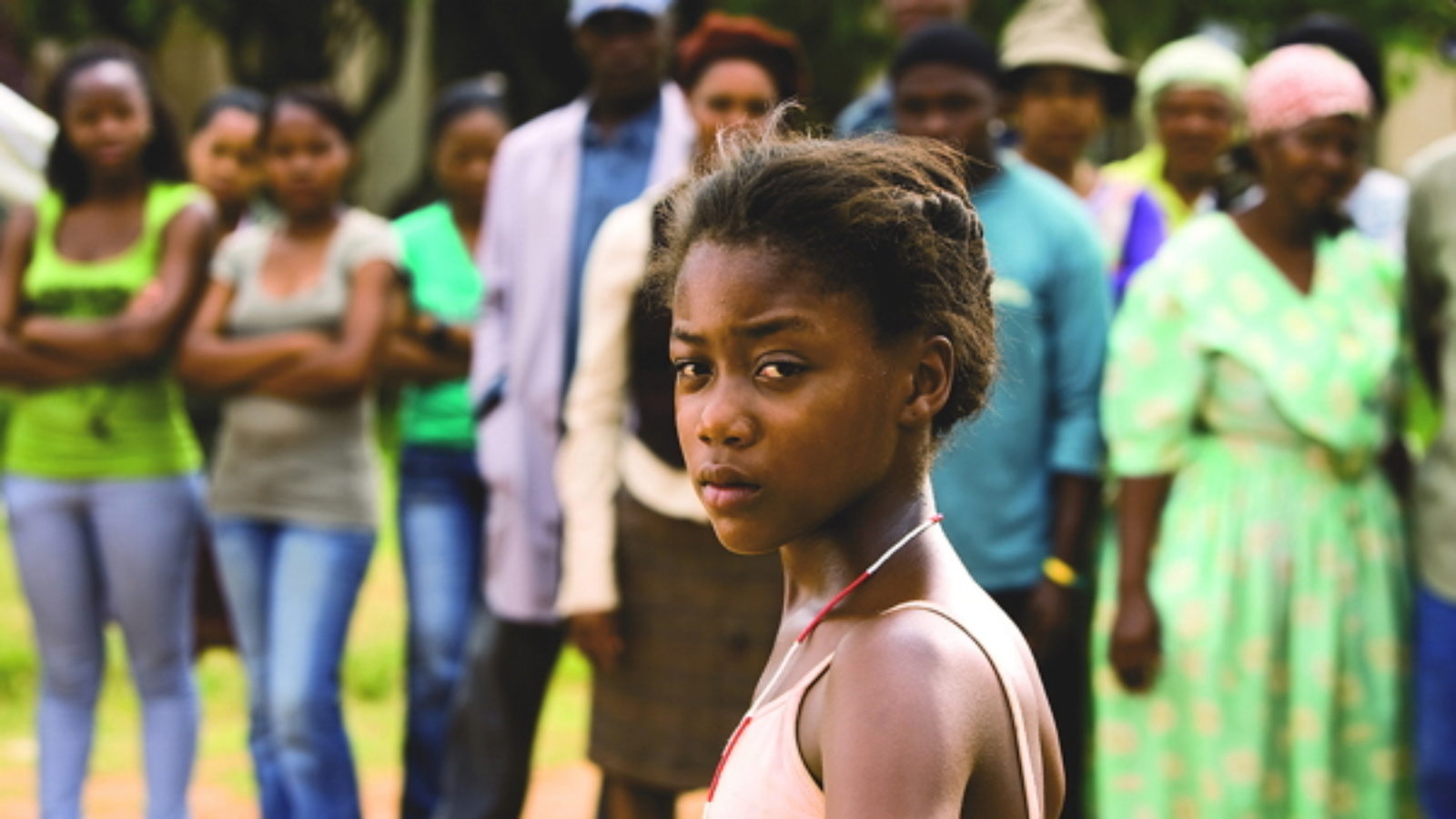
Khomotso Manyaka who plays the lead in “Life, After All.”
Oliver Schmitz’s South African AIDS drama, “Life, Above All,” is set in a small, rural, and religiously conservative town in South Africa. The film follows 12-year-old Chanda, whose world is upended when her younger sister dies suddenly. It soon worsens when her mother falls ill. With widespread AIDS stigma in the community, the family is forced to hide the mother’s condition from their neighbors, and only her close friend is in on the secret. The word “AIDS” is barely spoken—its presence felt but avoided. While the exact time period of the film is unclear, it serves as a poignant depiction of the AIDS denialism that plagued South Africa throughout much of the 2000s, even among public officials, including then-President Thabo Mbeki. In the face of silence, Chanda refuses to remain quiet.<
When it first came out and did the festival circuit, "Life, Above All" was accompanied by a lot of buzz: it was included in the 2010 Cannes Film Festival and Schmitz is probably one of the greatest South African directors of his generation. His resume includes two gangster movies that came to define what passed for South African cinema over two decades: first, in the 1980s, ("Mapantsula“); and in the mid-1990s (“Hijack Stories“).
“Life, After All” is now on sale on DVD in the United States. I was invited to a pre-screening of this film when it first came out this summer. I had mixed feelings about it.
My quick verdict on “Life Above All”: The plot can be unbelievable at times and will test your patience, and so can the tendency to make larger points about structural issues in South Africa (this is definitely a South African problem), but the child actress who plays the lead (the film is based on a youth novel) Khomotso Manyaka, is excellent, and so is most of the supporting cast.
I agree with Manohla Dargis in The New York Times on Life, After All’s film language:
‘ . . . Mr. Schmitz, shooting in hand-held digital, gives the story a suitable, effective visual and narrative grittiness. The colors are golden but never honeyed, and the same could be said of the movie’s prevailing worldview. (The cinematographer Bernhard Jasper knows how to shoot and light for black skin: faces never melt into shadows, as sometimes happens in more careless films.) . . . ’
Roger Ebert on the casting:
‘ . . . The performances by the two young girls are remarkable here. They have seen and internalized unspeakable experiences. Their faces are young, but their eyes are wise. Whenever I see such early performances by inexperienced actors, I wonder where they come from. No doubt director Oliver Schmitz had much to do with these portrayals. The casting process must have been crucial. But Manyaka and Makanyane have grave self-possession; they never even slightly overact. I met Khomotso Manyaka at Ebertfest 2011 and found her a cheerful, friendly teenager. Where did she find these resources? Where does any actor?’