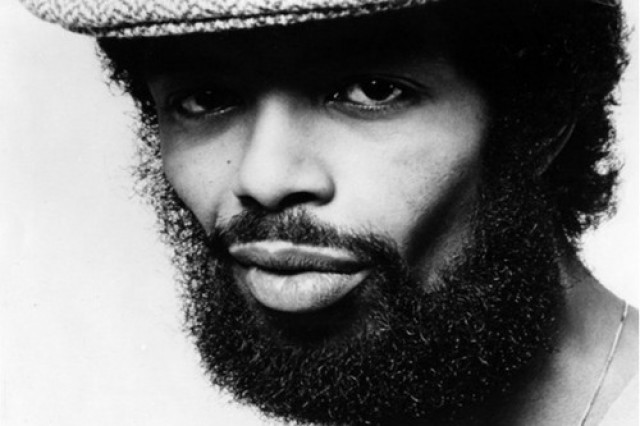
I reread that infamous 2010 New Yorker profile. of Gil Scott Heron earlier today. I was struck by the conclusion where Scott Heron tells reporter Alec Wilkinson about a novel he wants to write:

I have a novel that I can write … It’s about three soldiers from Somalia. Some babies have been disappearing up on 144th Street, and I speculate later on what happened to them and how they might have been got back. These guys are dead, all three, and they have a chance in the afterlife to do something they should have done when they were alive … I have everything except a suitable conclusion.

It’s also worth reading Greg Tate’s obituary of Gil Scott Heron here.

Further Reading

Slow death by food

Illegal gold mining is poisoning Ghana’s soil and rivers, seeping into its crops and seafood, and turning the national food system into a long-term public health crisis.

A sick health system

The suspension of three doctors following the death of Chimamanda Ngozi Adichie’s son has renewed scrutiny of a health-care system plagued by impunity, underfunding, and a mass exodus of medical professionals.

Afrobeats after Fela

Wizkid’s dispute with Seun Kuti and the release of his latest EP with Asake highlight the widening gap between Afrobeats’ commercial triumph and Fela Kuti’s political inheritance

Progress is exhausting

Pedro Pinho’s latest film follows a Portuguese engineer in Guinea-Bissau, exposing how empire survives through bureaucracy, intimacy, and the language of “development.”

The rubble of empire

Built by Italian Fascists in 1928, Mogadishu Cathedral was meant to symbolize “peaceful conquest.” Today its ruins force Somalis to confront the uneasy afterlife of colonial power and religious authority.