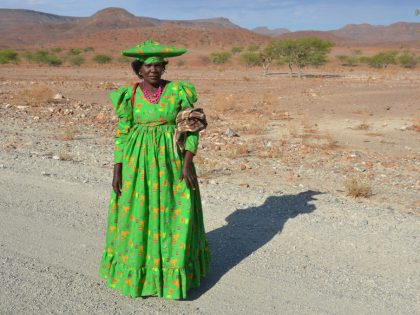
Addressing the genocide in Namibia
It took almost 110 years for Germany to accept the fact of the Namibian Genocide of 1904-1908.
Search Result(s) for: “german+genocide+namibia”
It took almost 110 years for Germany to accept the fact of the Namibian Genocide of 1904-1908.
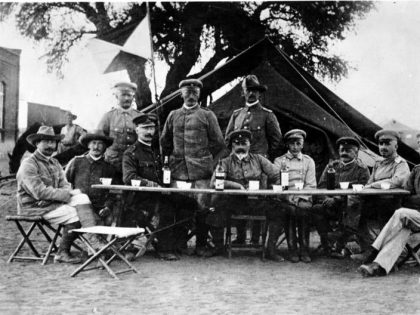
What will it take to get Germany to own up fully to the atrocities it committed during the Genocide in Namibia?
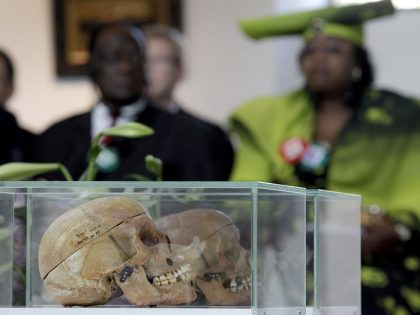
Land, landlessness and the German genocide of Namibians at the turn of the 20th century.

From Namibia to Armenia, and from Rwanda to Bosnia, the perpetrators of mass murder said they were acting in self-defense.
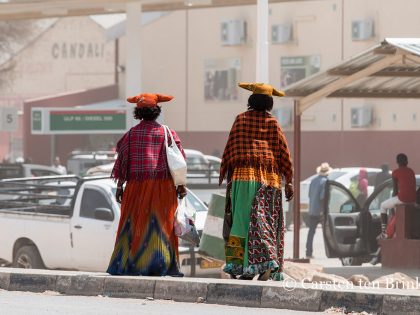
The German government will have to make a substantial move towards accommodating the demands of the Namibian people.
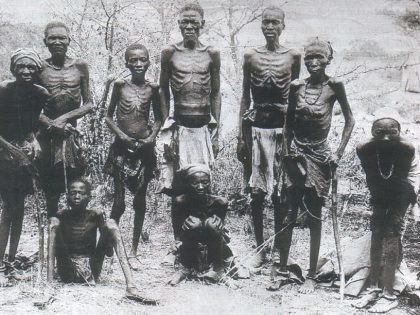
Namibia taking Germany to court in a country with its own history of genocide against indigenous peoples, hoping they may honor the U.N. Declaration of Human Rights.
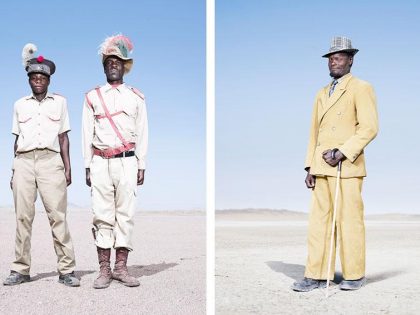
Jim Naughtom's images of Herero wearing German colonial outfits, is a powerful and necessary form of post-colonial critique.
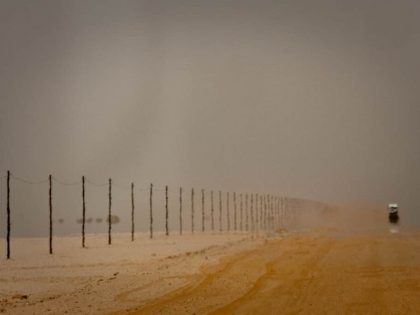
There are Namibians, including Black Namibians, who resist fully addressing the genocide.
Will Germany recognize its brutal, colonial history and how it will mark or memorialize that violent period.
The language, methods, and scale of the Herero genocide remain shocking even in the aftermath of the horrors of the Holocaust.

The mass murder of Nama and Herero by German colonists is now the subject of a documentary by the South African director, Vincent Moloi.

German reality shows that travel to Africa have the feel of colonial era ethnographic films in how they perpetuate the image of the ‘primitive other’
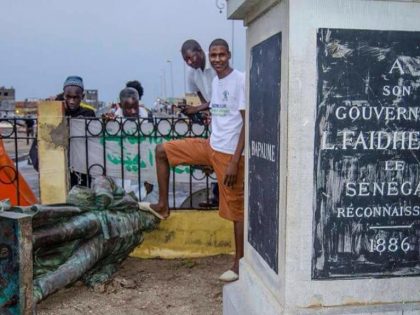
What explains this reluctance to discuss the permanence of symbols honoring slave traders and colonialists in the public spaces in both France and its former colonies?


South African writer, publisher and curator Zukiswa Wanner explains why she is surrendering her 2020 Goethe Medaille.

The German far right party AfD has extended its revisionism of German history to the colonial era.
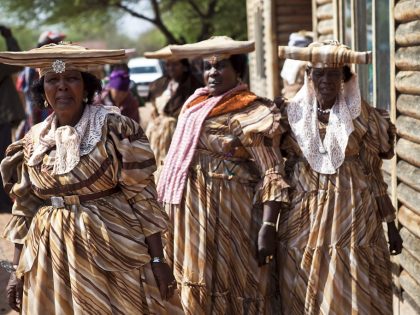
For Namibians fighting Germany over reparations, It’s about more than about a bit of land or perhaps some goats. It’s about time that debt was paid — with interest.
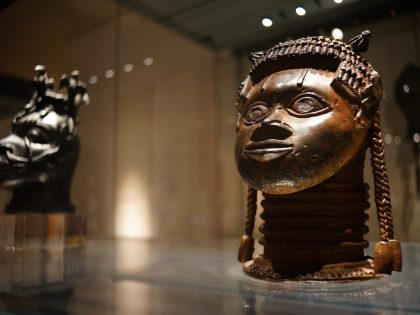
The author of 'Decolonize Museums' assembles a list of essential reading on the past, present and future of museums.
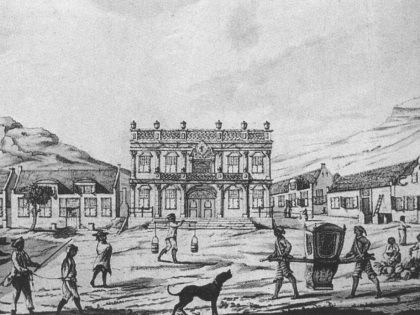
If slavery is the material and metaphysical womb of the modern world, reparations will require nothing less than the end of this world.