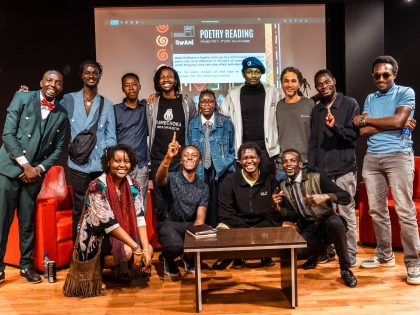
The poetics of protest
From rooftop beginnings to open mics that echo on the streets, Kenya’s newest literary collective shows how art can archive struggle and energize dissent.
From rooftop beginnings to open mics that echo on the streets, Kenya’s newest literary collective shows how art can archive struggle and energize dissent.
Donato Ndongo’s latest collection of short stories portrays African exile and diaspora in Spain and France.
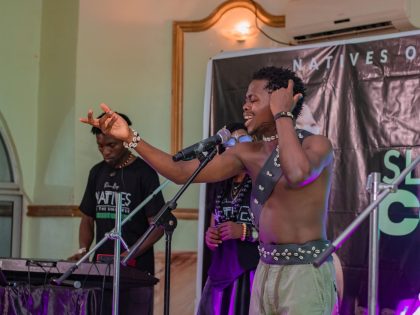
Amid the turmoil of the Anglophone Crisis in Cameroon, a unique group of individuals has emerged as powerful agents of change.
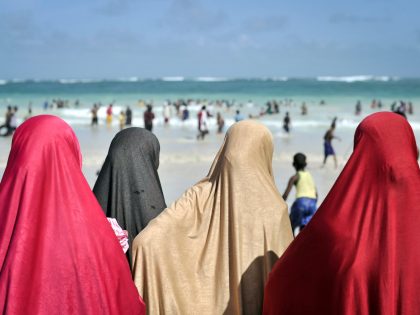
In Somalia, poets are considered organic public intellectuals.
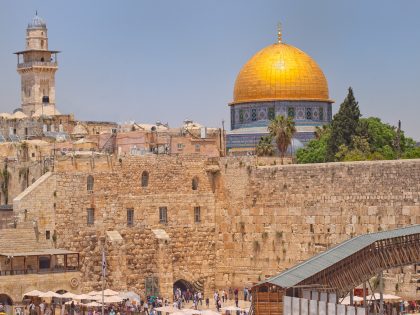
The tragedy of settler-colonialism.
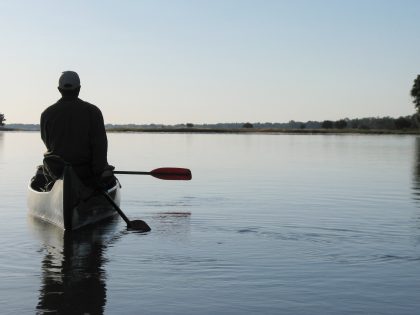
Kayo Chingonyi's latest poetry collection is a powerful meditation on the cycle of infection, death, and mourning wrought by HIV.
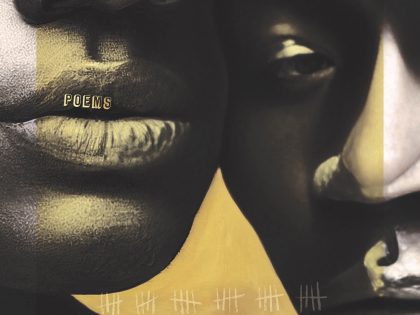
Nigerian Canadian poet Ayomide Bayowa discusses the influences behind his latest poetry collection.
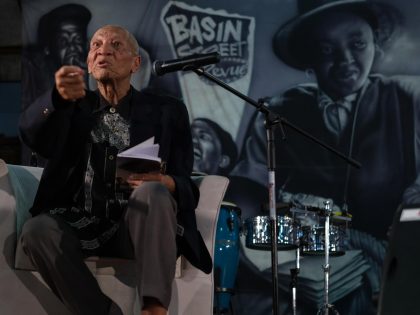
South African poet Don Mattera, who died in July, was the real deal — preferring to throw his lot in with the ignored and the undervalued. Unsurprisingly, his monumental life and work is undervalued too.
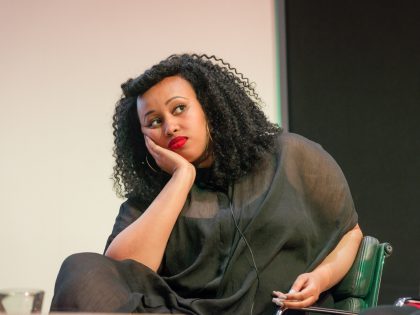
The British-Somali poet Warsan Shire’s audacious yet uneven volume of poetry captures the quiet loneliness of African immigrant lives in the West.
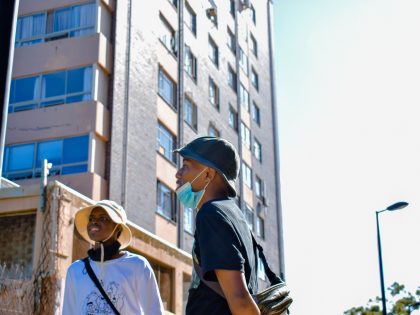
Poet Mongane Wally Serote’s 40-year lament, still haunts Black South Africans: “it is only in our memory that this is our land.” The land haunts our memory, and, in turn, we haunt the land’s memory.
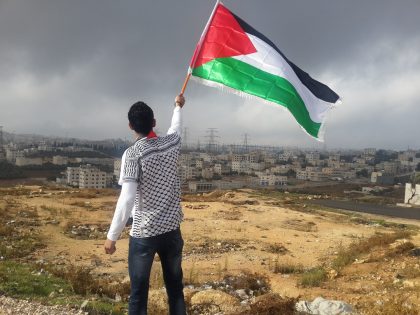
South African and Palestinian poets on the shared experiences of Apartheid and resistance. This week on AIAC Talk. Watch it Tuesday on Youtube.
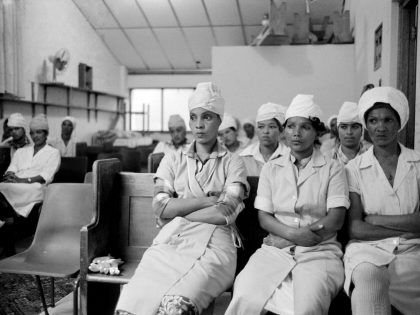
Dennis Brutus described Arthur Nortje as “perhaps the best South African poet of our time.”
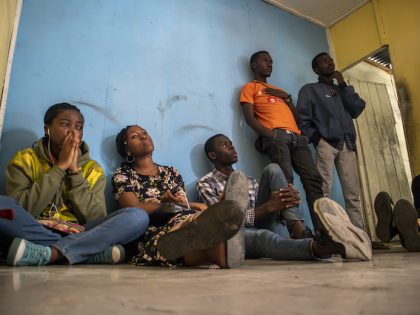
The Democratic Republic of the Congo has a rigid educational system, largely unchanged from the colonial era. Slam artists and activists are working to open it up to alternative spaces of expression.
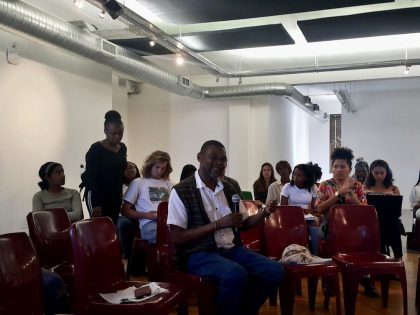
The Nigerian scholar and poet, Harry Garuba, who died in February 2020, was a key figure in African Studies and teaching literature in South Africa.
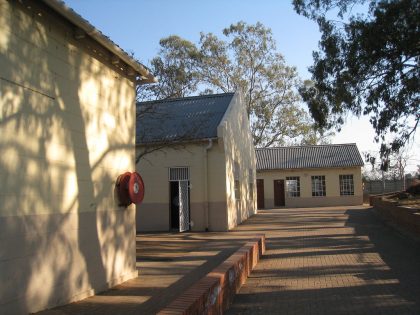
Remembering Adelaide Tantsi Dube’s poem 'Africa: My Native Land,' first published in 1913, the same year the white government stripped black South Africans of their land.
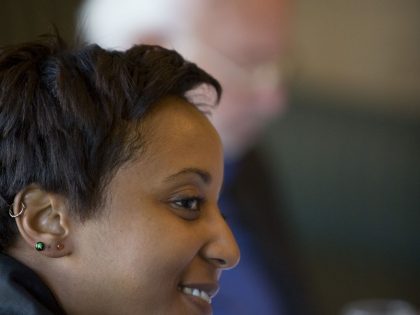
Black Women’s poetry has been largely ignored or denigrated in the world of South African letters. They have to do it on their own.
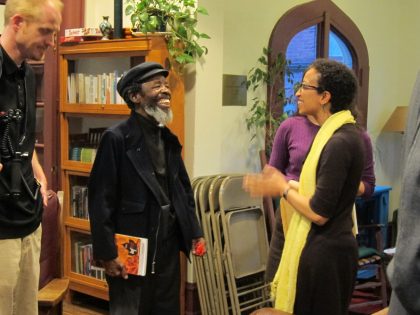
In praise of the late Keorapetse Kgositsile, who became South Africa's national poet laureate in 2006.
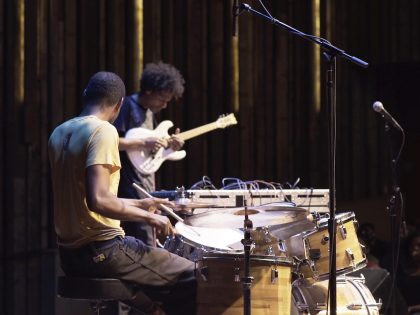
Collapsing the binaries hard-wired into the logic and narrative of “uber-gentrification;” the latter representing the conquest of science over art, technology over soul and innovation over old.
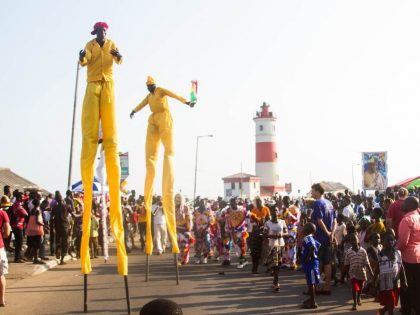
No, Albert Einstein never said this on Facebook: “Having an okro mouth does not mean you will be given banku to go with it.”
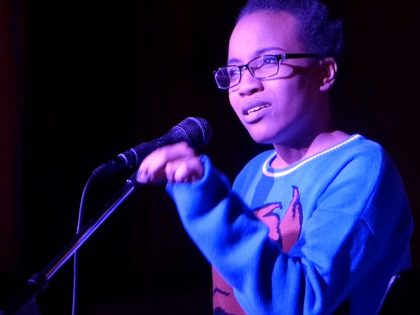
Spoken word artist Taylor Steele, one of the participating artists of the New York based series, 'Afropolitan presents' - that takes place at Meridian23 at the end of June 2015 - talks about her craft.