
A border spectacle
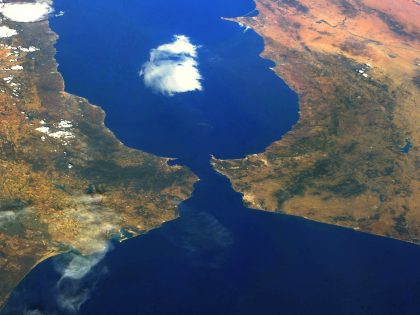
When thousands of young Moroccans stormed Ceuta last week, it was not an invasion, but the latest in a five-year pattern of coercive migration diplomacy on a border with five centuries of colonial history behind it.
When thousands of young Moroccans stormed Ceuta last week, it was not an invasion, but the latest in a five-year pattern of coercive migration diplomacy on a border with five centuries of colonial history behind it.

A new documentary revisits how Mongo Beti used literature and political writing to confront the suppressed history of French colonial violence in Cameroon.
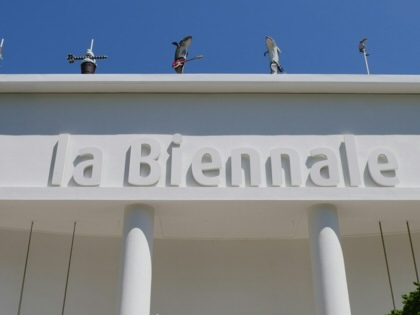
As Somalia makes its first appearance at the Venice Biennale, some Somali artists are questioning who gets to represent the nation — and on whose terms.
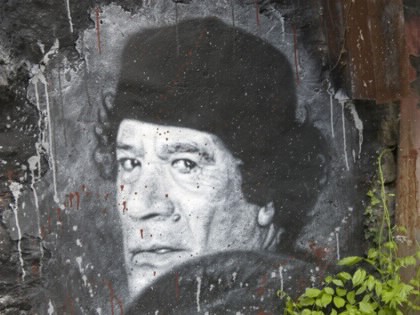
Fifteen years after NATO’s intervention in Libya, economic collapse and foreign subjugation have fueled renewed support for Gaddafi-era stability.
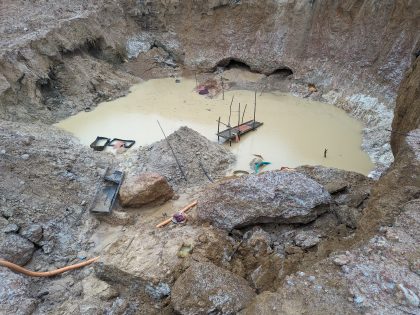
Paradoxically, conservation efforts in Liberia and Senegal are threatening native ecology.

Far from signaling a break from the past, the convergence of mining and conservation in West Africa underscores a recurring pattern that stretches back to colonialism.

What connects Zimbabwe’s chimurenga spirit, the disappearing bateleur eagle, and the stubborn afterlife of colonial capital?
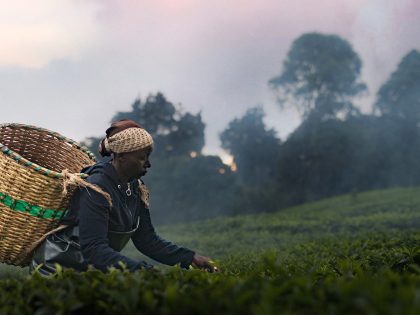
A new film investigates the long-standing land disputes between Kenyans, the government, and multinational corporations, whose expansive plantations are the site of much of the Kikuyu people’s hardship.
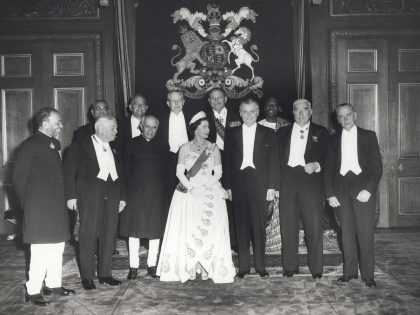
From colonial accounting tricks to modern tax havens, Nkrumah understood how capital escapes, and why political independence was never enough.
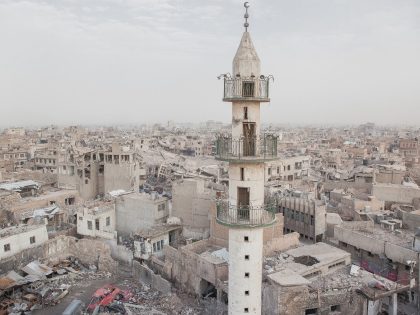
From Iraq to Gaza, empire no longer needs to annihilate populations when it can dismantle the very structures that make collective life possible.
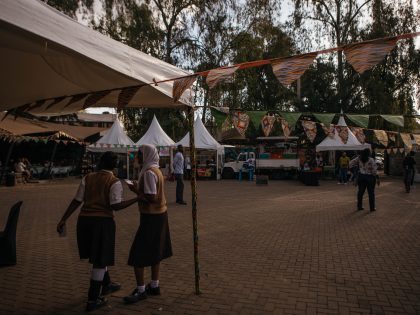
Nairobi’s cultural moment reflects both the promise of continental imagination and the anxiety of performing arrival for the world’s gaze.
Behind the fanfare of the Africa Climate Summit, the East African Crude Oil Pipeline shows how neocolonial extraction still drives Africa’s energy future.
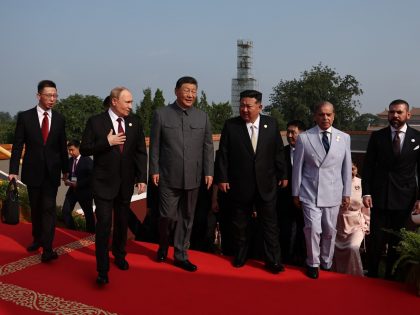
The SCO summit in Beijing revealed cracks in Western dominance — but whether they become openings for justice depends on African agency, not new patrons.
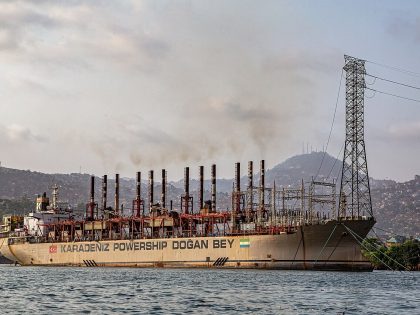
Floating power plants from Turkey promise to solve blackouts in the Global South. But easy fixes come with political risks.
Europe’s flagship development plan promises investment and partnership — but delivers debt, displacement, and old colonial patterns dressed up in green.

Cape Town’s digital nomads chase cheap luxury and scenic backdrops — but behind the matcha lattes and “social impact days” lies a deeper story of economic power, displacement, and global inequality.

Recent celebrity investments in the continent raises the question: Who is it really for?
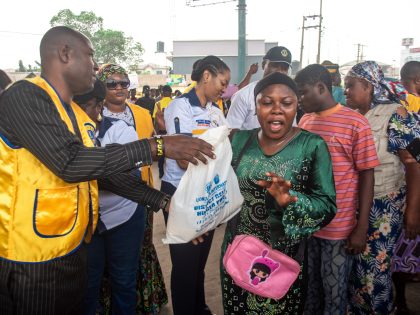
Western donors are cutting budgets, but the aid model they built — rooted in control, dependency, and depoliticization — still shapes Africa’s development.
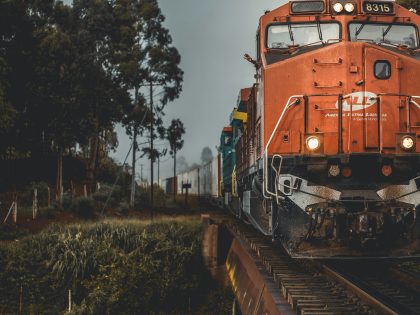
A US-backed infrastructure project in the DRC is framed as development, but history suggests it’s just another pipeline for foreign powers to profit from Congo’s riches.

The humanitarian industrial complex should be dismantled — but not by a billionaire-backed administration with no plan beyond abandonment.