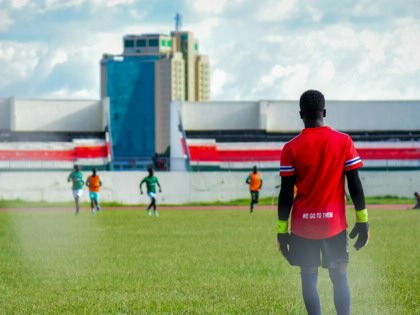
The game behind the game
The football gambling industry across Africa preys on the risk factors built into the game. The only viable solution is investing in durable, developmental frameworks at the grassroots level.
The football gambling industry across Africa preys on the risk factors built into the game. The only viable solution is investing in durable, developmental frameworks at the grassroots level.
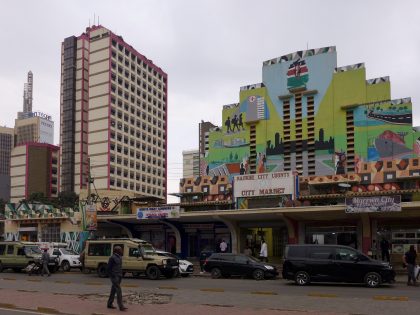
The language of fiscal consolidation is meant to sound inevitable. But for Kenya's informal workers, the human cost is anything but abstract.
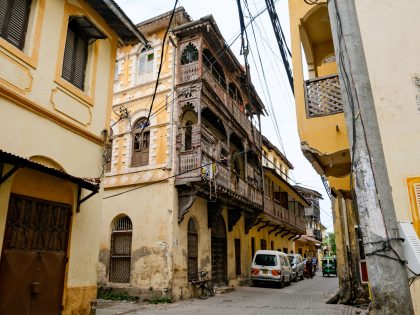
A new history of Mombasa shows how street food, colonial labor migration, and urban capitalism reshaped what — and how — Kenya eats.
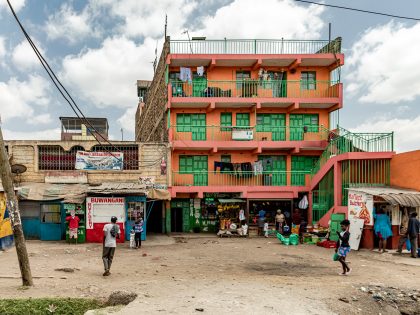
In Nairobi, migrants face not just national frontiers but invisible barriers in policing, housing, and work.
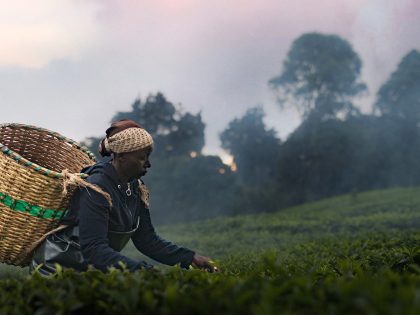
A new film investigates the long-standing land disputes between Kenyans, the government, and multinational corporations, whose expansive plantations are the site of much of the Kikuyu people’s hardship.
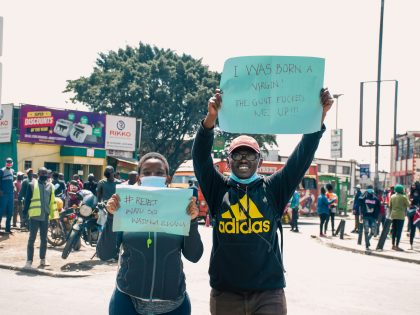
Long dismissed as apathetic, Kenya’s youth forced a rupture in 2024. As the 2027 election approaches, their challenge is turning digital rebellion and street protest into political power.
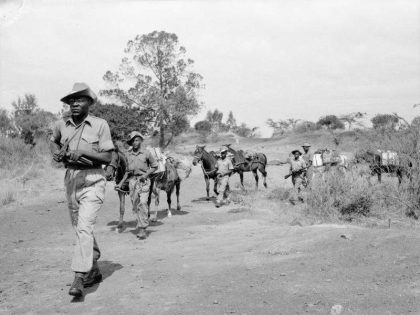
David Elstein’s attack on David Olusoga’s docuseries on the legacy of the British empire reveals less about historical error than about the enduring impulse to rehabilitate British colonial rule.
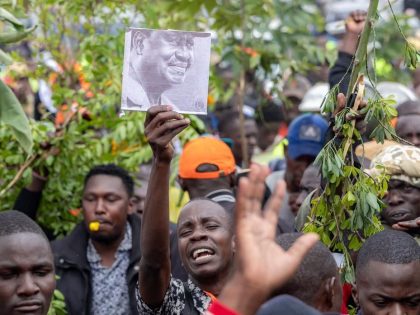
The passing of Raila Odinga has unsettled Kenya’s political equilibrium, exposing a crowded field of veterans, opportunists, and activists, alongside a growing generational demand to reclaim power from an aging elite.
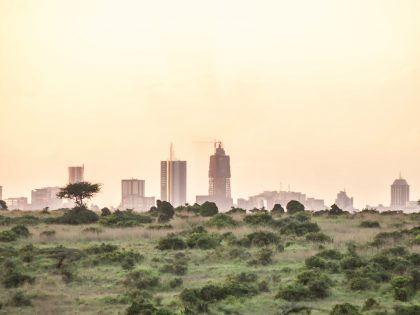
Three years on, the Building Bridges Initiative (BBI), initiated by Kenya's President, Uhuru Kenyatta, with former opposition leader, Raila Odinga, feels like an elite pact with no popular support.
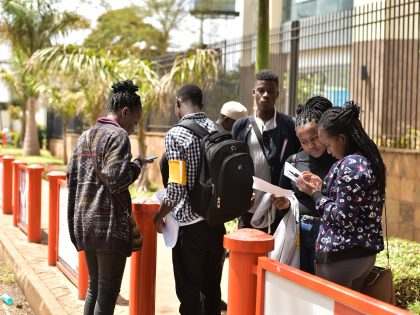
How is Kenya's "new middle class" contributing to a pervasive low-quality oppression that leaves Kenyans feeling hopeless?
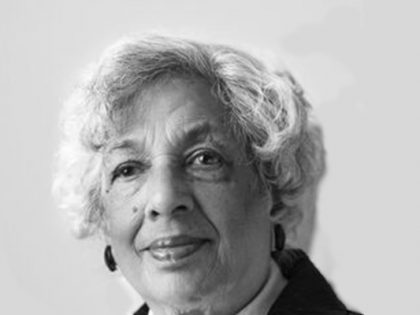
To those who did not know Emma Gama Pinto, she was just “the wife of Pio Gama Pinto,” the Kenyan anticolonial fighter, but to those who knew her, she was fearless in her own right.
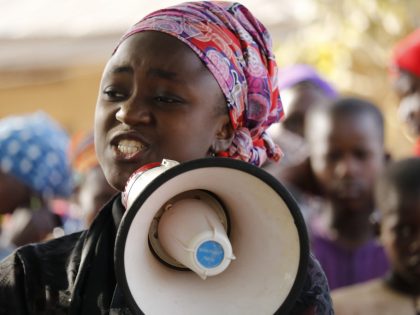
Would white women in the US have supported #MeToo in the same way if it had been started by women elsewhere in the world?
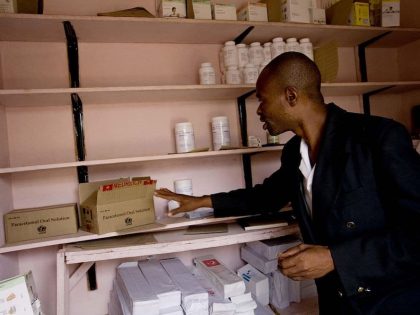
The health news - with major implications for Africans living on the continent - that made the headlines in 2011.
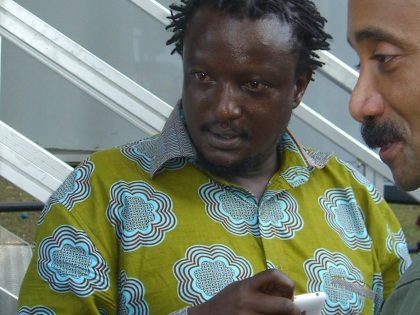
In "One Day I Will Write About This Place," Wainaina wants to create a life uniquely his own.