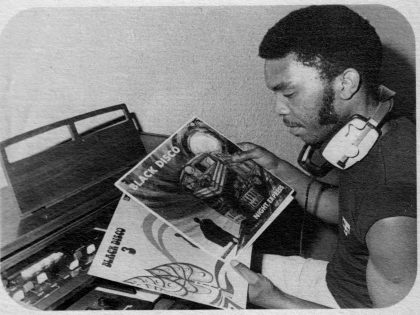
The golden light of Pops Mohamed
From Actonville to global stages, Pops Mohamed blended tradition, futurism, and faith — leaving behind a musical archive as luminous as the spirit he carried.
From Actonville to global stages, Pops Mohamed blended tradition, futurism, and faith — leaving behind a musical archive as luminous as the spirit he carried.
The director of the Oscar-nominated film 'Soundtrack to a Coup d’Etat' reflects on imperial violence, corporate warfare, and how cinema can disrupt the official record — and help us remember differently.
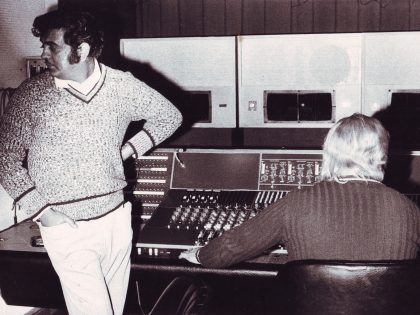
Rashid Vally, the visionary behind South Africa’s iconic jazz label As-Shams, forged a legacy of revolutionary jazz that defied apartheid and continues to inspire new generations of musicians, activists, and music lovers.
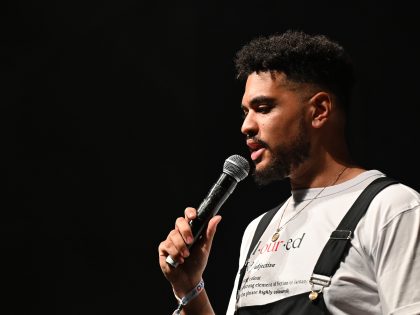
Jazz bassist Benjamin Jeptha’s latest project interrogates the meaning of Creole identity in South Africa, thirty years after the end of white-minority rule.

The musician Mac McKenzie, who passed away in April 2024, helped pioneer a sound that captured the Mother City’s Creole heritage.
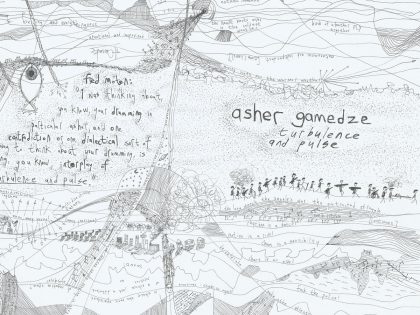
Asher Gamedze on his new single ‘Wynter Time,' and the struggle of oppressed peoples against dispossession, exploitation and alienation.
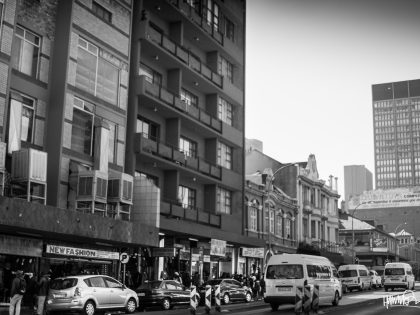
In their debut EP, the Johannesburg-based experimental jazz group iPhupho L’ka Biko offer a message of hope, resilience and solidarity while drawing from South Africa’s black jazz heritage.
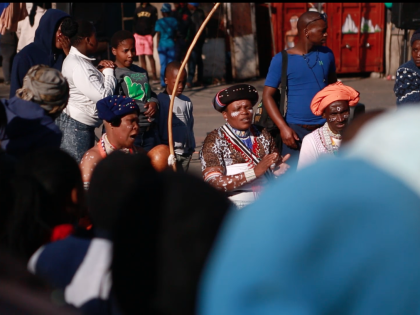
The South African musician known as Madosini passed away in 2022. She was one of the last of a generation who learnt to play traditional Xhosa instruments, in so doing sharing the spirituality, dignity, and joy of Xhosa culture through her inimitable song.
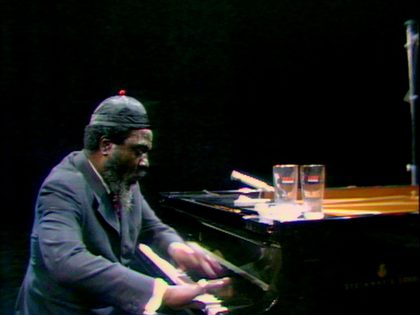
A new film by French-Senegalese director Alain Gomis uncovers how American jazz giant, Thelonious Monk, was disrespected by French media at the end of his European tour in 1969.
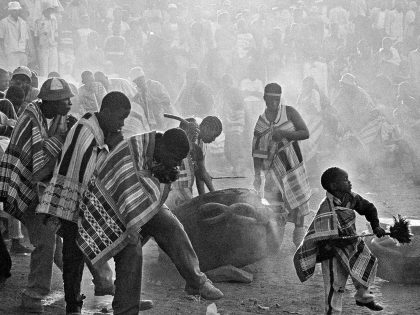
South African jazz drummer Tumi Mogorosi’s latest project is a call to black people to share the questions that render our condition one of deep ache.
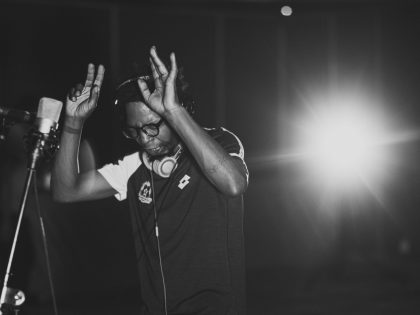
The impressive debut album of the Malcolm Jiyane Tree-O marks the arrival of a unique genius in post post-apartheid South African jazz.

Kyle Shepherd’s new music blooms brightly from out of the shadow of pandemic and considers what it means to be South African, African, and human.
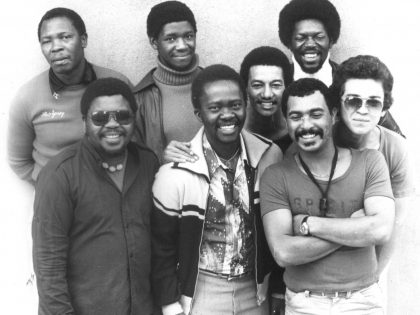
Vinyl reissues are about engaging in a fight against forgetting much more than music. Gideon Nxumalo and Spirits Rejoice's music is transcendent of repressive daily conditions.
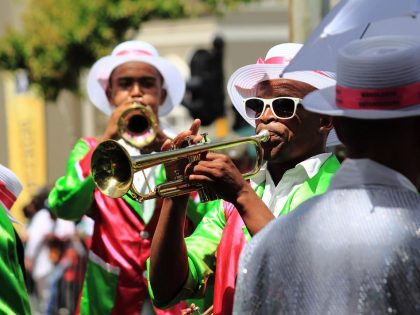
On this month’s AIAC Radio we head to Cape Town to understand how this creole city's musical culture resisted containment throughout history. Listen on Worldwide FM and follow us on Mixcloud.
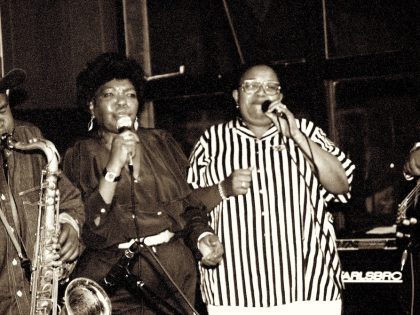
South African singer Sibongile Khumalo (1957-2021) was a musical giant. She also launched her own label and advocated for women's rights.
The drummer Gilbert Matthews was a visionary of South African jazz. The silences on his passing from official quarters are discordant.
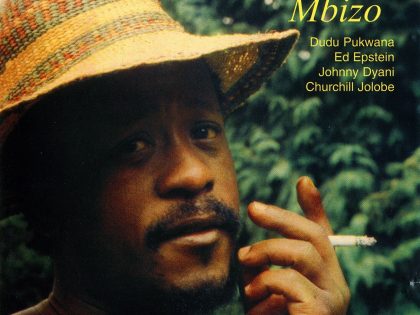
From exile, bassist and composer, Johnny Mbizo Dyani (1945-1986), explored and promoted the folk music traditions of South Africa.
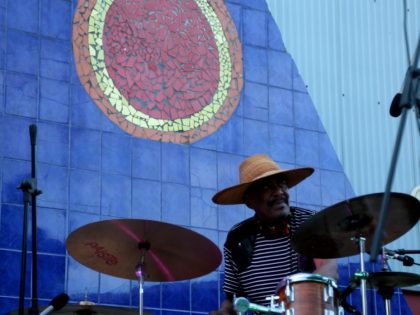
Free jazz drummer Louis Moholo-Moholo comes home to his childhood home in Cape Town, carrying the spirit of his generation.
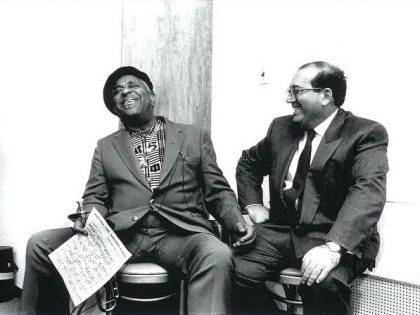
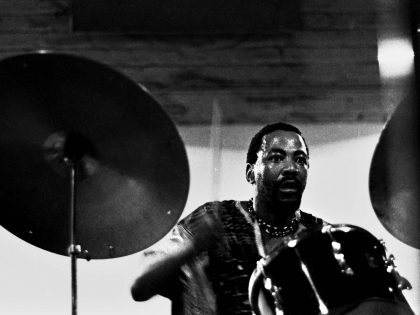
Basil Breakey's photographs serves as an important recording of South Africa jazz music in the 1960s and 1970s.