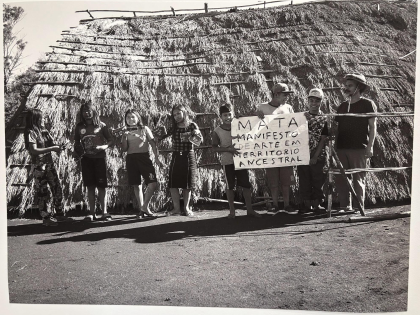
Art has never been innocent
Paulo Nazareth's latest show in Berlin follows the cunning architecture of power, from Germany to Brazil and across continents and epochs.
Paulo Nazareth's latest show in Berlin follows the cunning architecture of power, from Germany to Brazil and across continents and epochs.
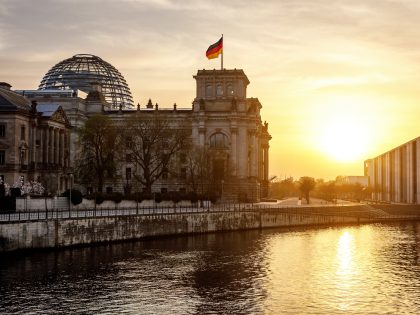
As the far right surges and the center crumbles, can Germany’s left offer something different — or will reactionary forces set the agenda?
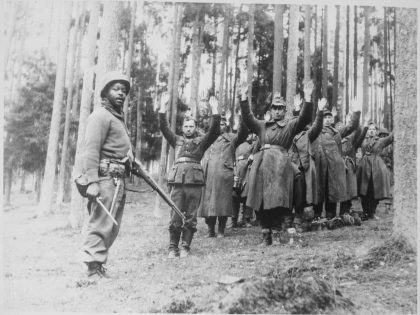
It is no surprise that even today, Europe only feels guilt about the episode of the Holocaust and not the principle of genocide which made it possible.
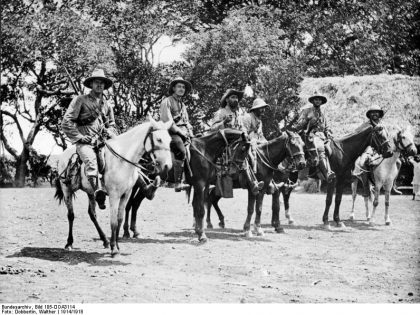
Gurnah’s Nobel Prize invites us to ponder Germany’s colonial past between the Scramble for Africa and the First World War in what is now Tanzania, Burundi, and Rwanda.
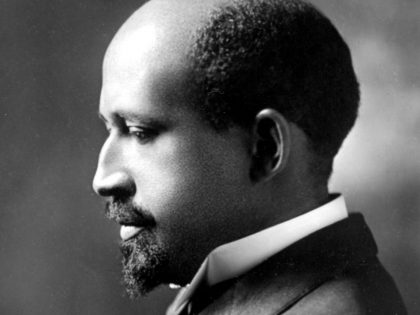
Kwame Anthony Appiah’s Lines of Descent (2014) argues that W. E. B. Du Bois’s two years as a graduate student in Berlin vitally informed his views on race and politics.
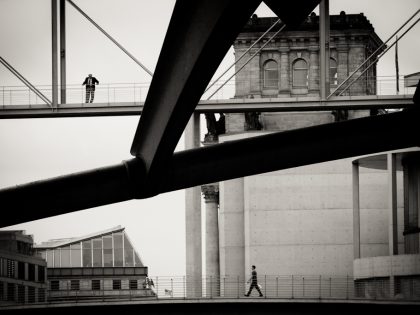
The German far right party AfD has extended its revisionism of German history to the colonial era.
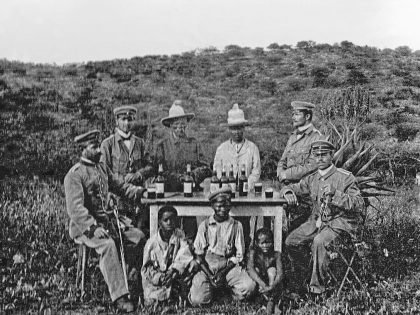
Restitution and the responsibility of addressing Europe's colonial legacy - in this case Namibia - via artifacts left behind.

The German metal band Rammstein's video for 'Auslander' wants it both ways: a critique of colonialism and sex tourism, but right-wing neo-nazis can also enjoy the fascist iconography.
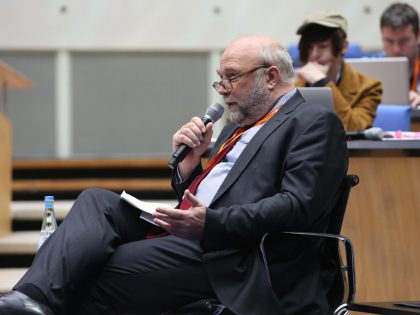
The connections between technocratic development policies, neocolonialism, colonial denialism and the turn to the right in German public discourse.

"Berlin isn't Germany. Just like that website you write for — it's really its own country."

The curators of the Weltkulturen museum of ethnography in Frankfurt, Germany trace the origins of objects that ended up in their collections, and ask if they were: COLLECTED. BOUGHT. LOOTED?

The renaming of streets is an important urban decolonial practice.

Living in the city that hosted the 1884 conference where Western powers divided up Africa for themselves
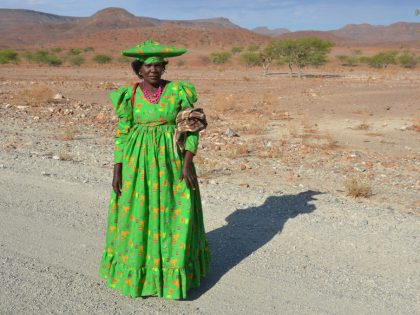
It took almost 110 years for Germany to accept the fact of the Namibian Genocide of 1904-1908.
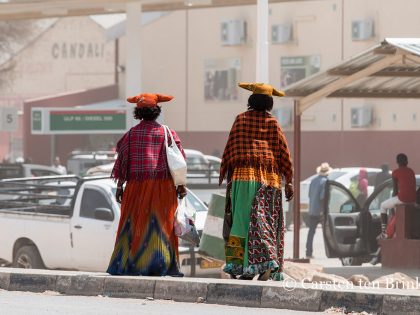
Will Germany recognize its brutal, colonial history and how it will mark or memorialize that violent period.
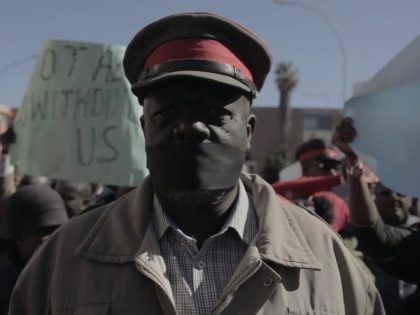
The mass murder of Nama and Herero by German colonists is now the subject of a documentary by the South African director, Vincent Moloi.
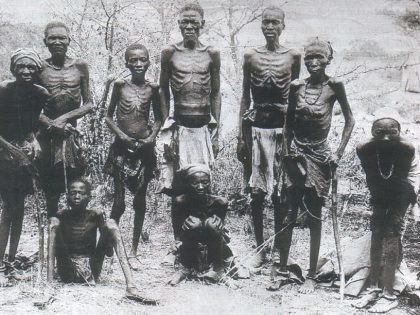
Namibia taking Germany to court in a country with its own history of genocide against indigenous peoples, hoping they may honor the U.N. Declaration of Human Rights.
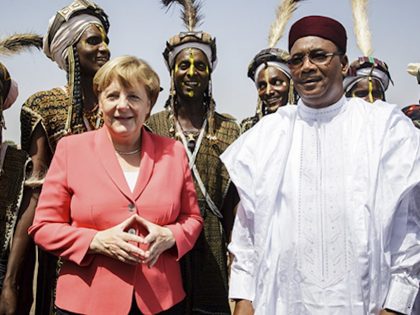
What are the political dynamics that may have led to the adoption of Germany's ambitious framework to reinvigorate Africa's development.
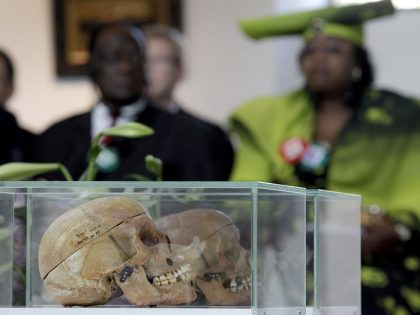
Land, landlessness and the German genocide of Namibians at the turn of the 20th century.
The German government will have to make a substantial move towards accommodating the demands of the Namibian people.