
The gig economy’s false promise
Touted as a path to empowerment, Africa’s gig economy is a digital twist on old patterns of labor exploitation — but workers are fighting back.
Touted as a path to empowerment, Africa’s gig economy is a digital twist on old patterns of labor exploitation — but workers are fighting back.
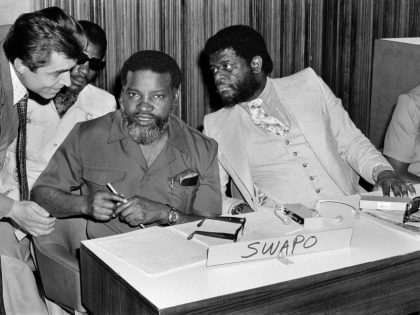
Namibia’s founding president led the fight for independence with unwavering resolve, but his legacy is complicated by economic compromises and political dominance.
The humanitarian industrial complex should be dismantled — but not by a billionaire-backed administration with no plan beyond abandonment.

Nigeria and South Africa have a fraught relationship marked by xenophobia, economic competition, and cultural exchange. The Nigerian Scam are joined by Khanya Mtshali to discuss the dynamics shaping these tensions on the AIAC podcast.
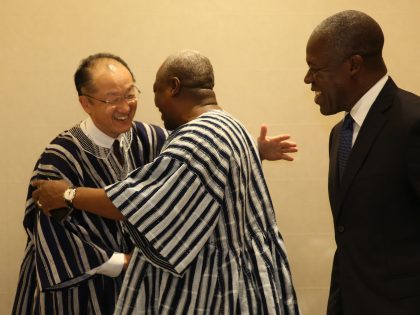
Ghana’s election has brought another handover between the country’s two main parties. Yet behind the scenes lies a flawed system where wealth can buy political office.
To navigate multipolarity, the continent needs a common narrative that strategically mediates its conversations with China and other world powers.
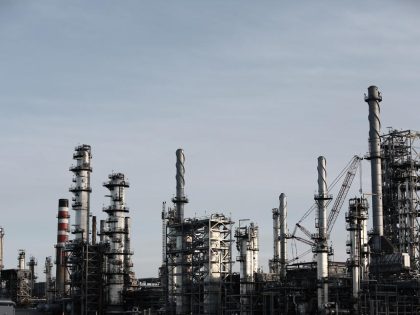
When Africa’s richest man announced the construction of the continent’s largest crude oil refinery, many were hopeful. But Aliko Dangote has not saved Nigeria. The Nigerian Scam returns to the Africa Is a Country Podcast to explain why.
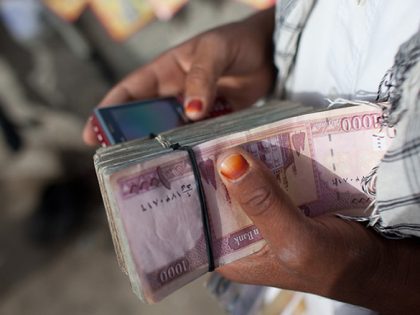
How did microfinance become a craze championed by bleeding-heart progressives to Global South economists, American presidents, and business executives?
Some progressive economists argue that a bigger budget deficit is the solution to the country’s socio-economic woes. But it isn’t that straightforward.
With regional and global powers keen to take advantage of the DRC’s mineral wealth, it is hard to see how things can get better for the country in the short and medium term.
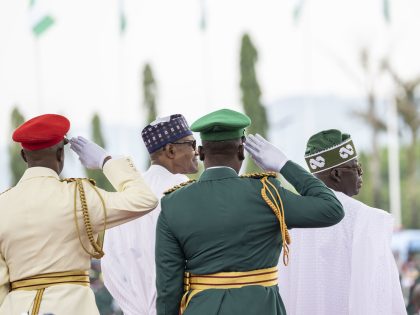
Despite liberalizing the economy to the detriment of the majority, Nigeria’s president has faced little opposition in his first year in office.
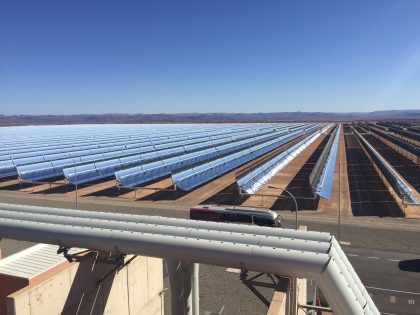
A new book shows how Europe is using the energy transition to exploit and under-develop the Arab world.

Sports on the continent are being commercialized at a rapid rate. What’s driving it?

What does Javier Milei’s presidential victory mean for Argentina’s black and indigenous minorities?
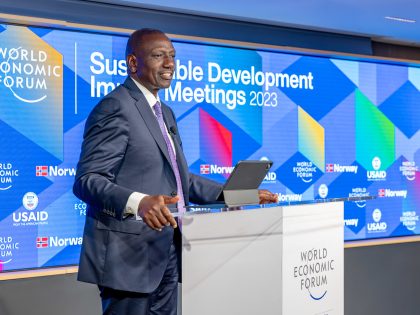
The marketization of climate action, epitomized by Kenyan president William Ruto, allows the super-rich to buy their safety while the rest of us are left behind.
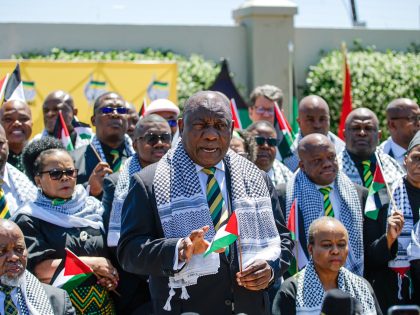
Although the South African government is one of the most vocal supporters of the Palestinian cause, its actions tell a different story.
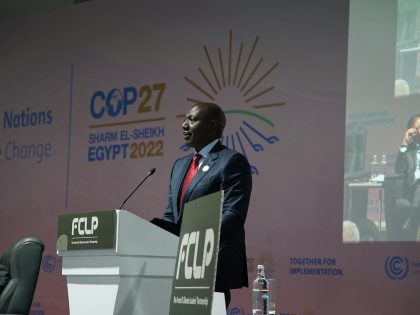
Kenyan president William Ruto has reinvented himself as Africa's climate champion. But, his policy contradictions reveal that this is just his latest hustle
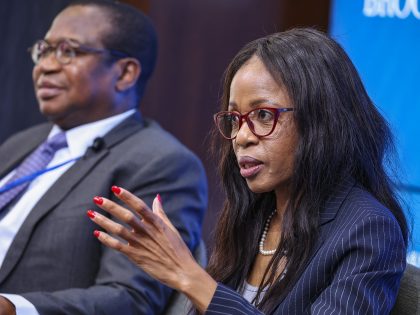
The Knowledge Portal of the Nawi Afrifem Macroeconomics Collective is a digital apex platform that collates and curates African women’s knowledge resources on the economy.
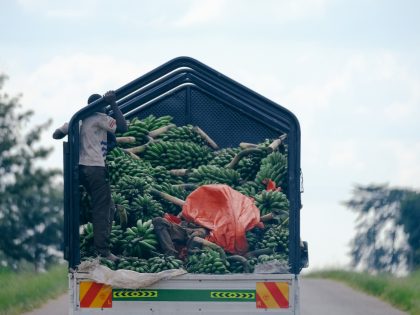
Western leftists are arguing among themselves about whether there will be bananas under socialism. In Africa, however, bananas do not necessarily represent the vagaries of capitalism.
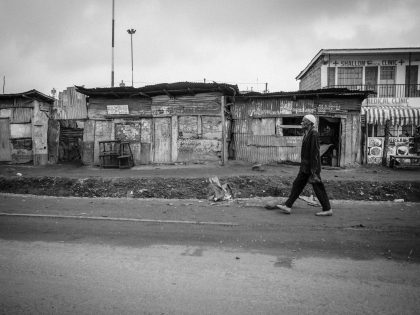
In Kenya, political elites across the spectrum are trying to sell off the country for themselves — capitulation is inevitable.