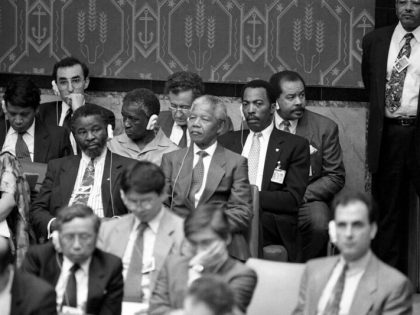
The making and unmaking of permanent minorities
Mahmood Mamdani’s new book asks how communities that have been enemies can heal. But does it succeed?
Mahmood Mamdani’s new book asks how communities that have been enemies can heal. But does it succeed?
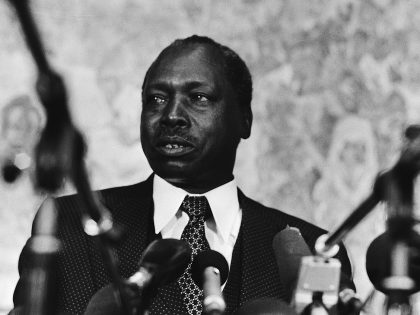
Tracing the music, from 1978 to the 2000s, that defined the rule of former Kenyan president Daniel Torotich Arap Moi.
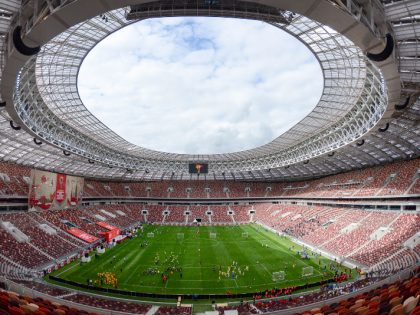
The author, French: "When the game is over in Russia, I’ll go play another at the field down the street. I’ll find a song to sing on the way."
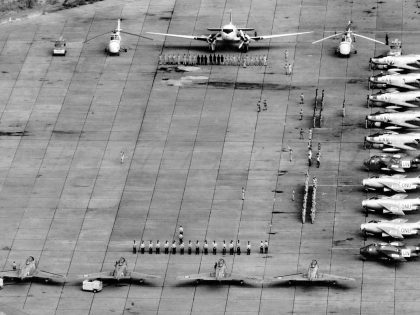
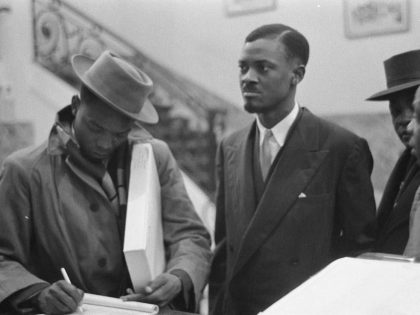
"Africa will write its own history and in both north and south it will be a history of glory and dignity" (Lumumba, 1960)
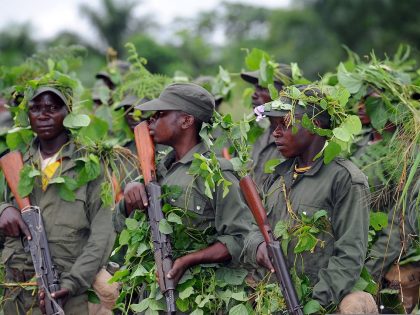
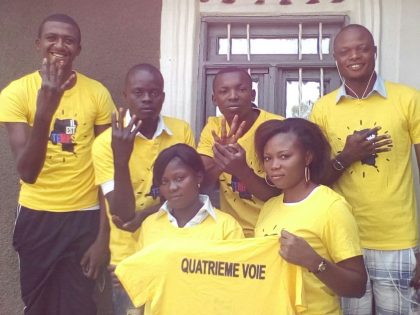
President Joseph Kabila, in power since 2001, knows young people in Congo want him gone.
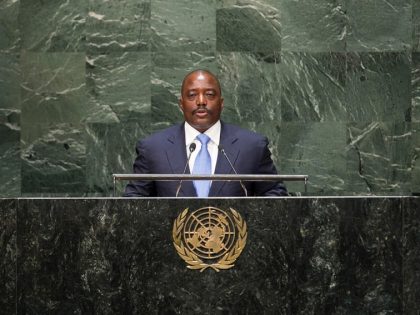
The Congo is a generous purveyor of African stereotypes, often making it difficult to see the politics through the thickets of hyperbole.
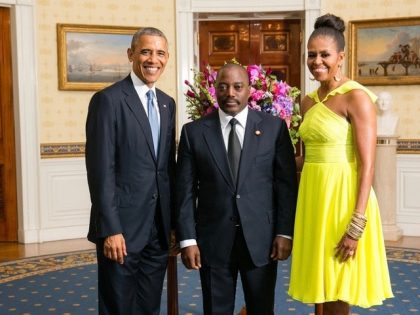
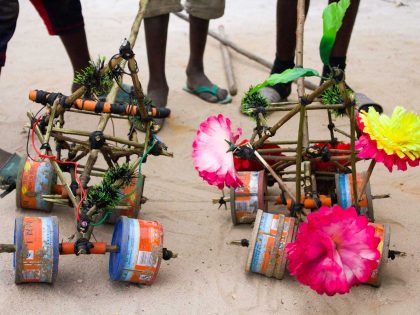
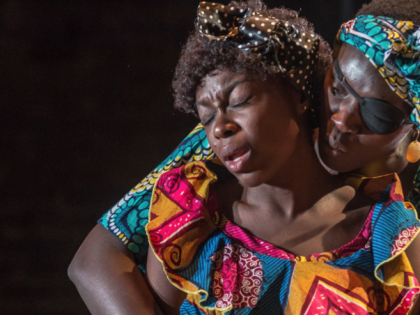
What can we do for 'the worst place in the world'? Surely this play in London, is not the thing.
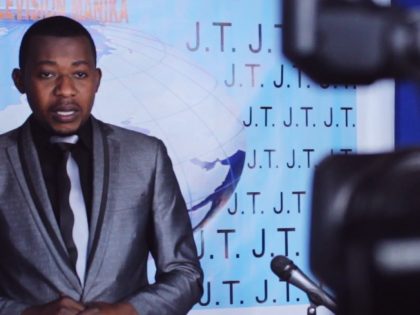
Congo needs fewer metanarratives from the West and more of Radio Tele Manika.
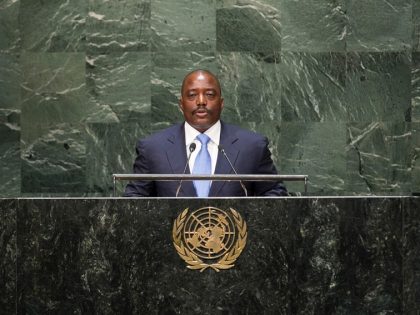
Until Joseph Kabila publicly recuses himself from running for a third term, many Congolese will be suspicious of any dialogue proposed by the government.
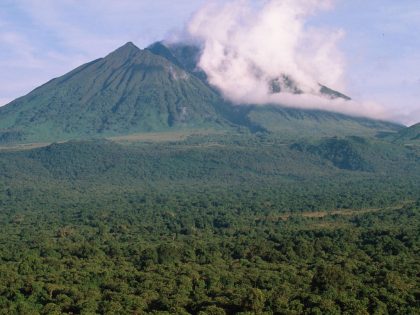
Those extracting value from the DRC's soil over last 20 years show they're willing to do anything — including 6 million deaths — to satisfy global commodity markets.
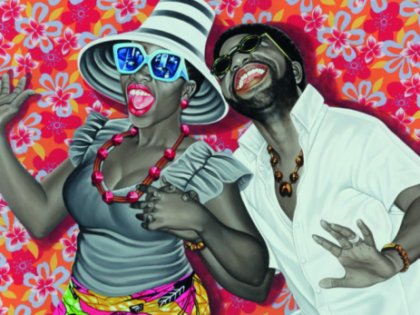
'Beauté Congo' wonderfully represents Congolese contemporary art, yet fails to completely evade European colonial baggage.
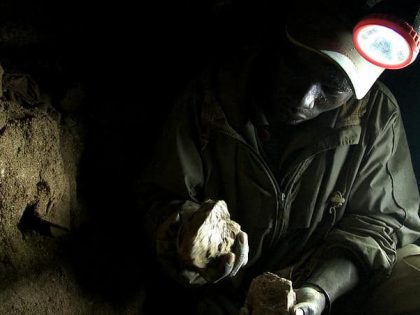
The new documentary film, "We Will Win Peace," skillfully debunks many myths behind conflict minerals in the Congo.
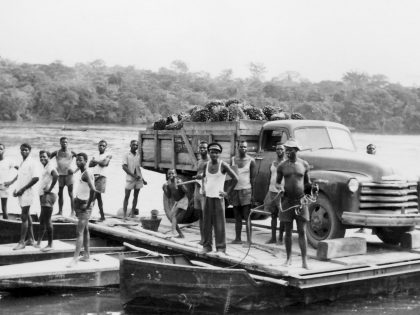
That's not a compliment. It is about how development institutions are financing land grabs in the Democratic Republic of Congo.
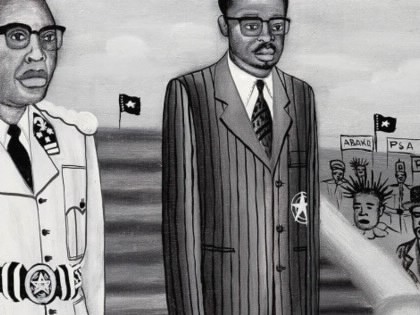
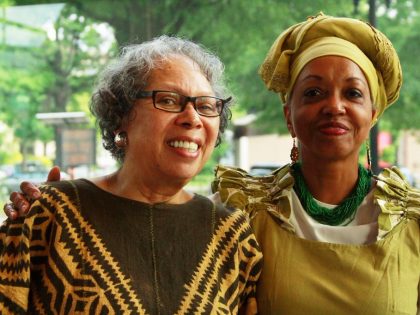
Yvonne Seon, later a college professor, thought Lumumba was a “decisive leader” that “cared deeply about his people."
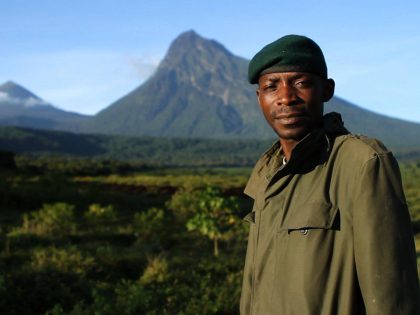
'Virunga' is an important film, even if it lacks perspectives from local stakeholders.