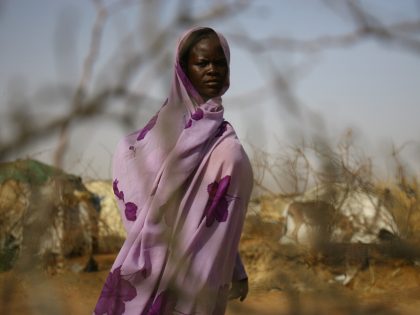
Who gets to be a civilian?
Often in war, language is twisted and used to change meaning, to dehumanize, to invent enemies, and to justify atrocities.
Often in war, language is twisted and used to change meaning, to dehumanize, to invent enemies, and to justify atrocities.
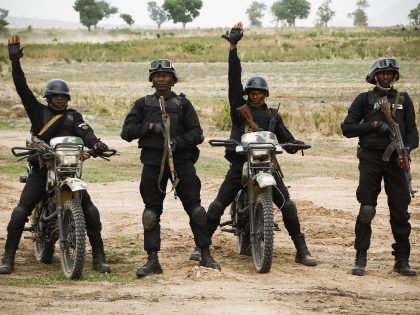
Prominent cleric Sheikh Ahmad Gumi’s calls for negotiation reflect practices already in use, but in Nigeria’s polarized digital space, nuance is punished.
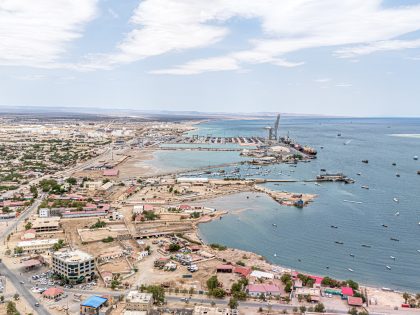
The withdrawal from the port city of Berbera by regional powers distracted by war, marks the end of an external system that managed the Horn of Africa — and the beginning of a deeper structural collapse.
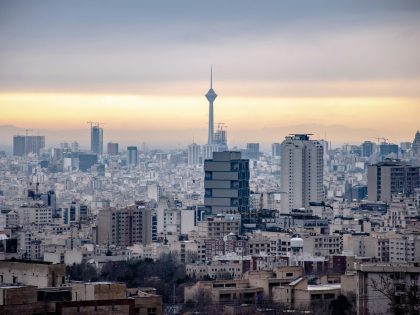
Israel’s campaigns in Gaza, Lebanon, and Iran are not discrete crises but interconnected fronts in a broader project of regional dominance.
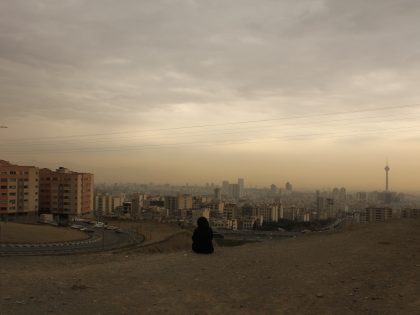
Between imperial narratives and state propaganda, debates about the war on Iran often erase the diversity of Iranian society and the voices of its marginalized communities.
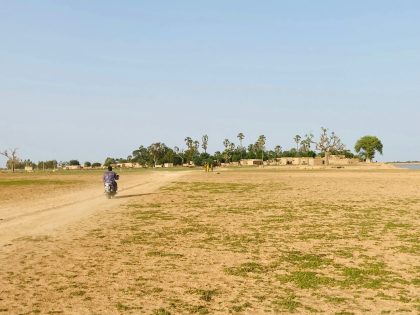
The potential return of exiled cleric Mahmoud Dicko to Mali could challenge jihadist movements by reopening political space and contesting their claim to religious authority.
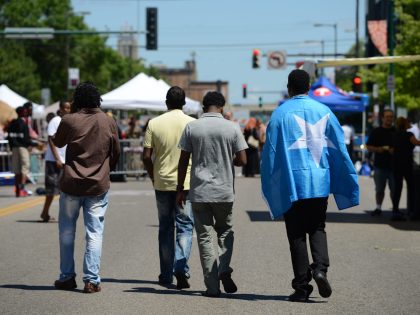
The Trump administration’s crackdown on Somalis in Minnesota ignores a longer history: decades of US intervention that helped produce the violence and displacement Somalis fled.
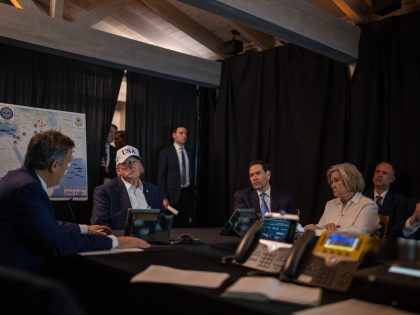
The US-Israeli war on Iran is the latest expression of a long imperial pattern — one shaped by opportunistic intervention, Western alignment, and the enduring racialized logic of empire.
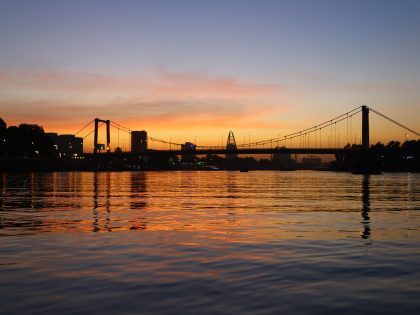
Khartoum’s recovery is not a national recovery. Until Sudan confronts the violence that has long been concentrated outside the capital, 'liberation' will remain a hollow word.
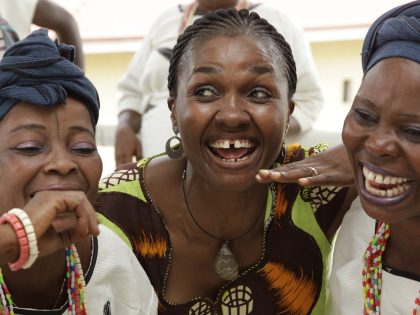
As the White House hypes “Christian genocide” and floats military action, northern Nigerians are responding with satire.
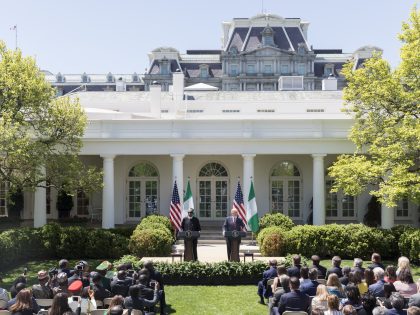
Trump’s threats of military action against Nigeria are not about Christian genocide, but are about rare earths, China, and the scramble to control Africa’s mineral future.
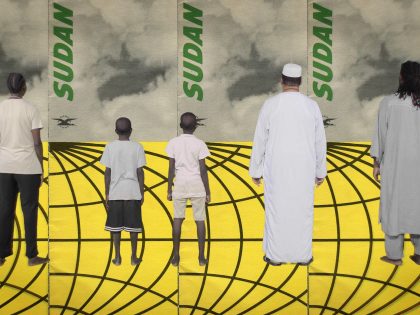
Made just as Sudan descended into war, 'Khartoum' captures the beauty, pain, and humanity of a city shaken by violence — and the filmmakers who became refugees alongside their subjects.
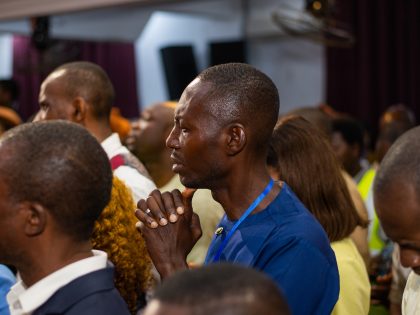
Far-right and pro-Israel actors are recasting Nigeria’s insecurity as sectarian extermination to distract from Palestine.
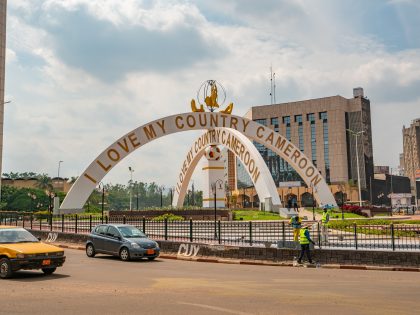
The outcome of the October 12 elections may make or break the resource-rich Central African nation.
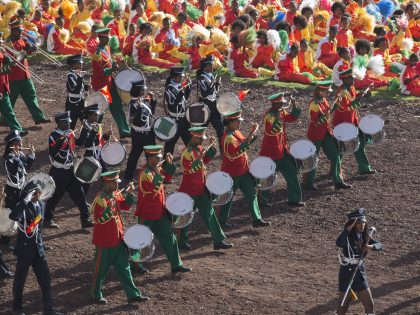
The reopening of a border between Eritrea and Tigray masks a deeper realignment. As old foes unite against Ethiopia’s government, the risk of renewed war grows.
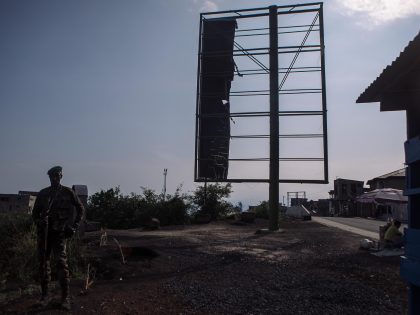
Rwanda’s military deployments in Mozambique and its shadowy ties to M23 rebels in eastern Congo are not isolated interventions, rather part of a broader geopolitical strategy to expand its regional influence.
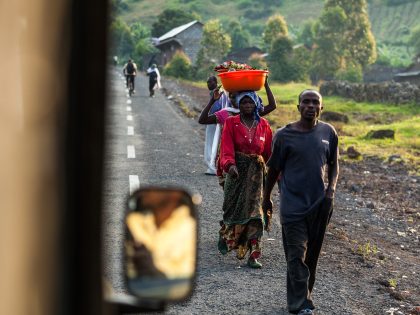
Trump’s Congo-Rwanda deal is hailed as diplomatic triumph. But behind the photo ops lies a familiar exchange: African resources for Western power.
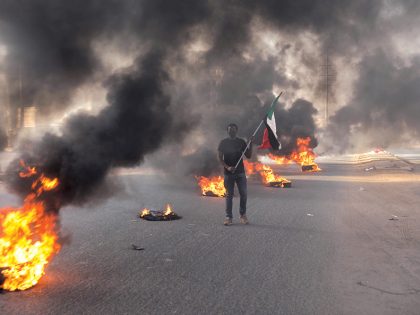
Sudan’s revolution removed a dictator but left intact the deep structures of racialized hierarchy, militarism, and elite rule. Resistance committees built new forms of power, but without rupture, the old order reassembled itself.
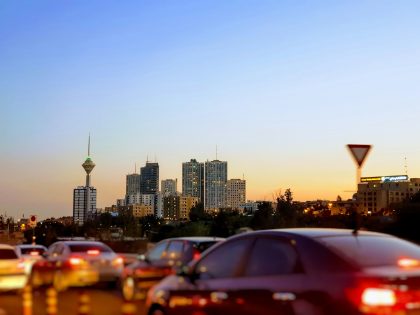
Between Israeli bombs and state repression, ordinary Iranians are once again denied control over their own future.
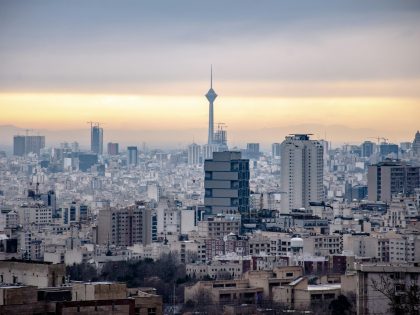
Framed as hard diplomacy, economic sanctions are a subtler form of warfare — one that erodes sovereignty, punishes civilians, and extends colonial power under a new name.