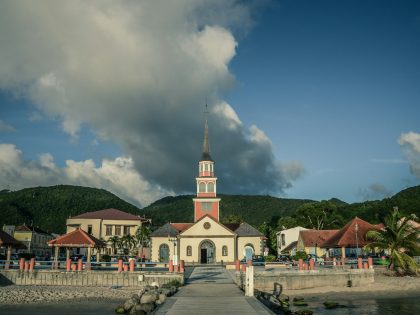
I just want the beach
On the island of Fanon’s birth, French colonial violence persists.
On the island of Fanon’s birth, French colonial violence persists.
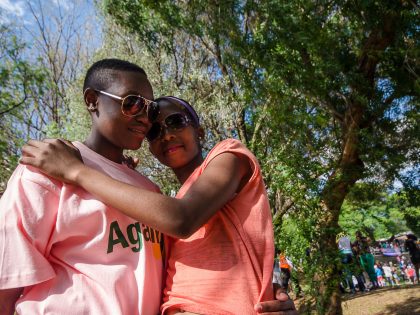
Telling one's story as a black queer person isn't yet the luxury it is chalked out to be, especially when it remains dangerous to be queer in the world.
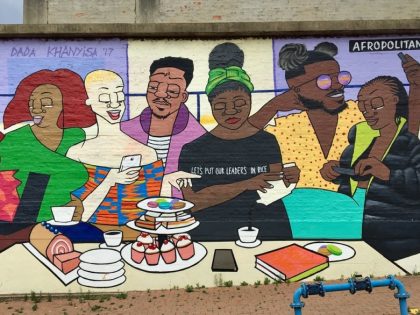
Although visibility is important, contemporary queer African literature reveals how easily representation privileges narratives of the resourceful and upwardly mobile.
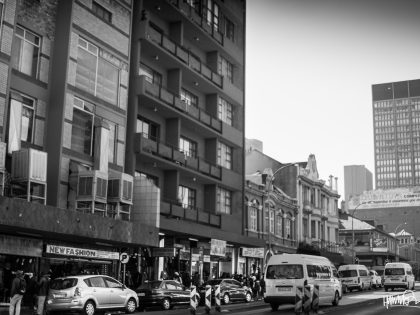
In their debut EP, the Johannesburg-based experimental jazz group iPhupho L’ka Biko offer a message of hope, resilience and solidarity while drawing from South Africa’s black jazz heritage.
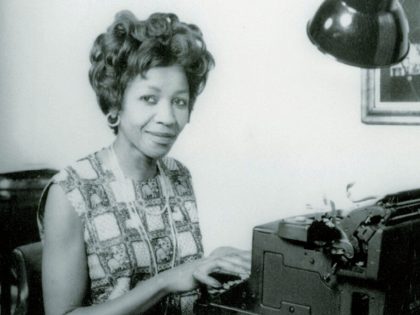
Noni Jabavu was one of South Africa’s most trailblazing writers. Her commitment to elite ambivalence makes it difficult to hail her as a black feminist icon.
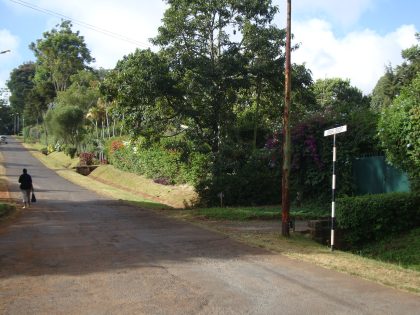
The middle classes of Africa are often idealized as spearheads of democratization and opponents of corrupt regimes. But what does the research actually say?
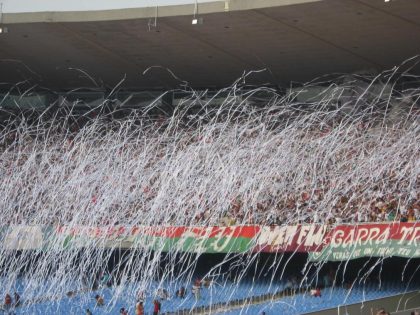
Who is the black John Kennedy? A Brazilian footballer.
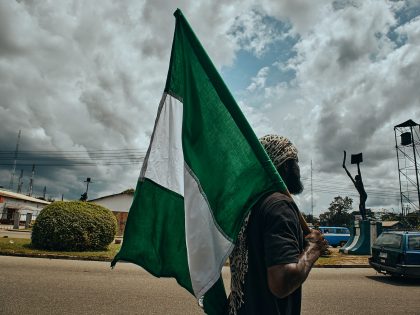
With the working classes down and out, it is arguably the middle classes that will play the more decisive role in African politics going forward.
Tunisia had sought to Arabize itself since independence and failed. It's relation to France still very much defines the country's character.
In the wake of the insurrection in Brazil, an Afrobrazilian reflects personally on the entanglement of race and class in the country, and on what needs to be done to unravel it.
Is class still a useful category for understanding capitalism and oppression? We discuss with Vivek Chibber on our podcast. Listen.
German historian Daniel Tödt wrote a history of the Congolese évolués. In this interview, he talks about the historiographical interventions of his book and the role of Patrice Lumumba in the history of évolués.
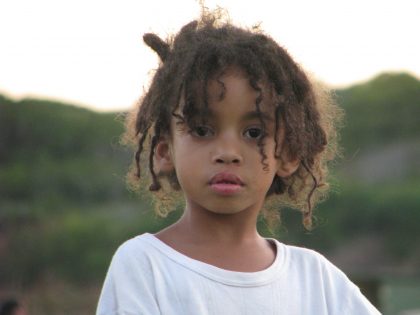
The writer, from Cape Town, reflects on the life of her working class father, who like her friends' fathers worked tough jobs for low pay and hid his vulnerabilities.
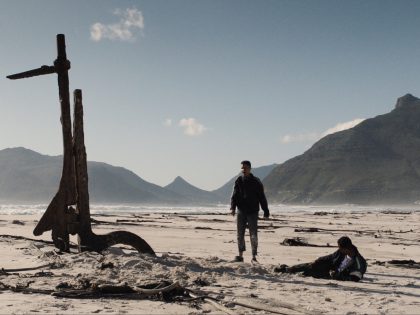
Mexican American director John Gutierrez new film, set in Cape Town, South Africa, touches on colonialism, displacement, and man’s complicated relationship with nature.
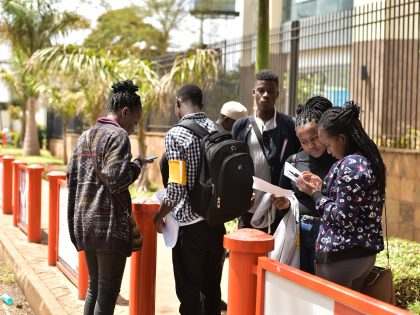
How is Kenya's "new middle class" contributing to a pervasive low-quality oppression that leaves Kenyans feeling hopeless?
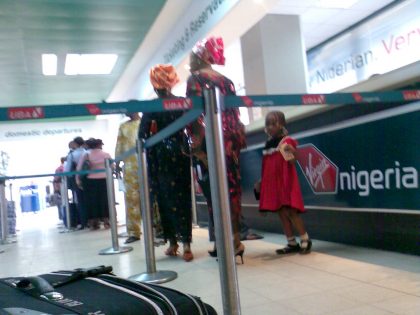
In Nigeria, to be an emigrant is to possess illustrious social capital and a badge of honor that is not only reserved for you, but also for your family.
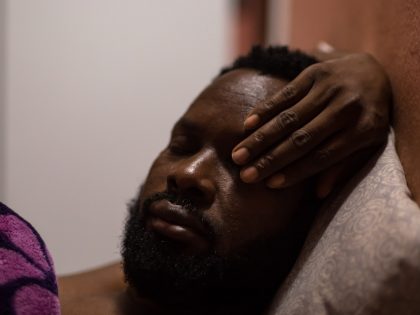
Could the enduring effects of #EndSARS be the beginning of a broad alliance against an irresponsible political elite that has shirked all pretensions of being responsible to the people?
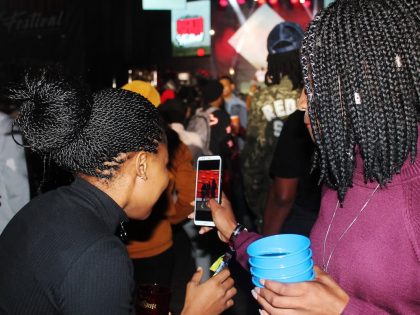
When our political parties only have recourse to the realm of identity and culture, it is a smokescreen for their lack of political legitimacy and programmatic content. It is cynically unpolitical, and it’s all bullshit.
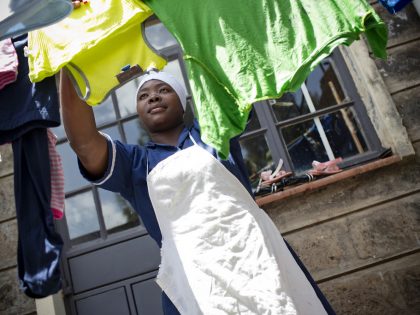
Regular Kenyans try to survive the economic fallout from the coronavirus.
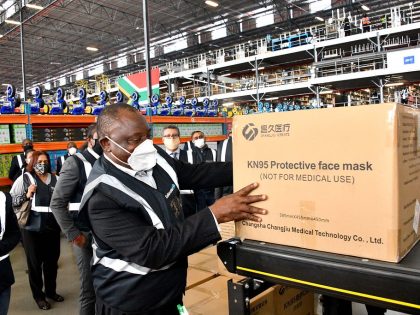
In South Africa, we are not in a situation where we need to choose between saving lives and protecting livelihoods. It is far worse. We are in danger of losing both.