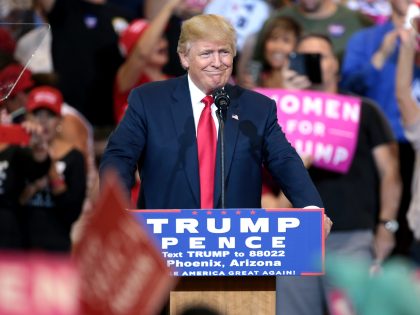
Trumpism in Nigeria
Why does the anti-Black racism of the US president have defenders in Africa’s largest Black nation?
Why does the anti-Black racism of the US president have defenders in Africa’s largest Black nation?
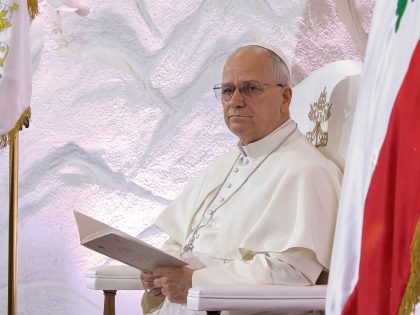
From John Paul II to Benedict XVI, papal visits to Cameroon have often come when Paul Biya’s government faced political turmoil.
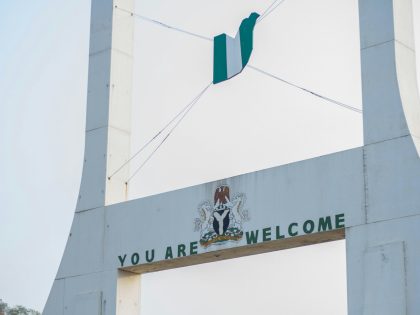
Nigeria’s insecurity cannot be solved by foreign airstrikes or a failing state, but by rebuilding democratic, community-rooted systems of collective self-defense.
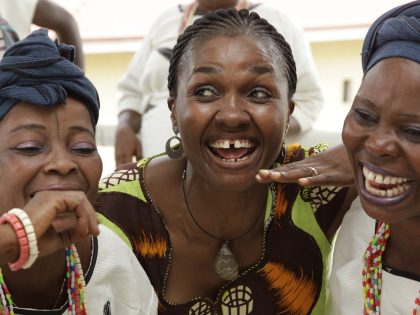
As the White House hypes “Christian genocide” and floats military action, northern Nigerians are responding with satire.
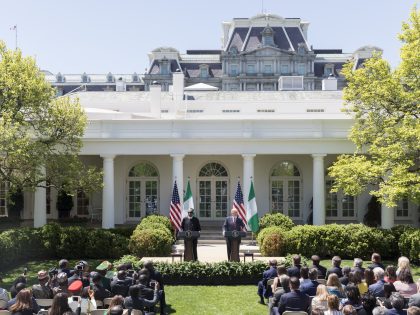
Trump’s threats of military action against Nigeria are not about Christian genocide, but are about rare earths, China, and the scramble to control Africa’s mineral future.
Far-right and pro-Israel actors are recasting Nigeria’s insecurity as sectarian extermination to distract from Palestine.
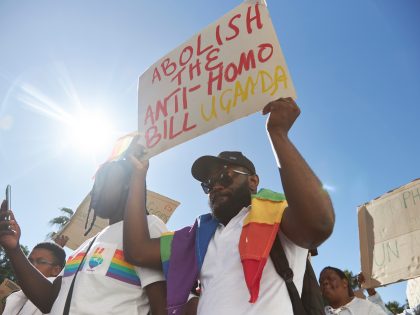
Anti-queer laws in Africa are often framed as cultural defense — but their roots lie in colonial legacies, religious nationalism, and global reactionary alliances.
Christian theology was appropriated to play an integral role in the justifying apartheid’s racist ideology. Black theologians resisted through a theology of the oppressed.
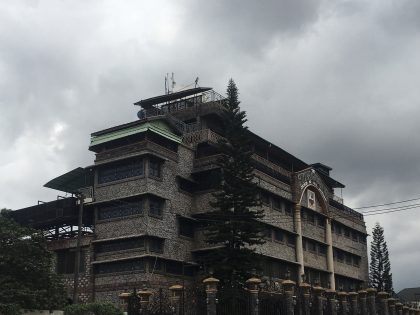
BBC’s new documentary about T.B. Joshua’s human rights abuses has stirred debate about the British broadcaster’s intentions.
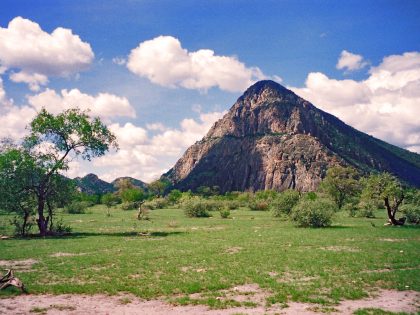
Environmental protection is deeply-held practice in African spirituality. What happens when it is re-shaped by Christianity and capitalism?
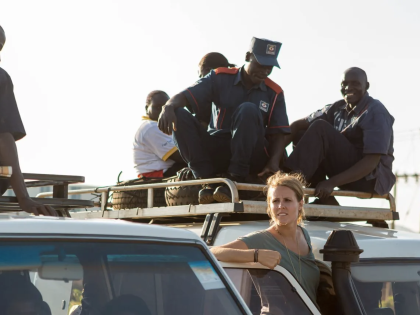
A new HBO documentary exposes the harm caused by unqualified aid workers in Uganda, but its attempts to complicate the narrative ultimately fall flat.
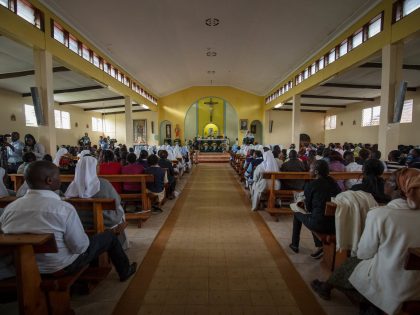
One cannot fully appreciate Kenya’s normative Christianity and its particular obsession with public piety without appreciating the legacy of the East African revival.
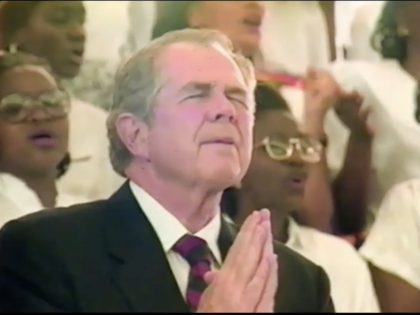
The ultra-conservative American televangelist Pat Robertson has died. As poisonous as his influence on American politics was, Robertson’s legacy in Africa is even more cynical.
From the enormously influential megachurches of Walter Magaya and Emmanuel Makandiwa to smaller ‘startups,’ the church in Zimbabwe has frightening, nearly despotic authority.
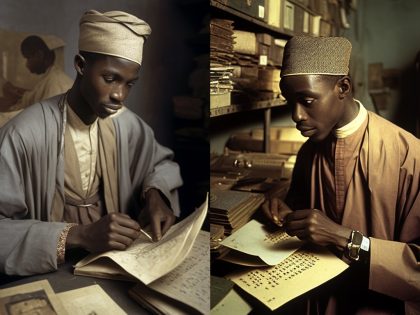
The personal archives of Dr. Yusufu Bala Usman, a Nigerian pro-democracy activist, suggests that same-faith presidential tickets are not necessarily about religious domination.
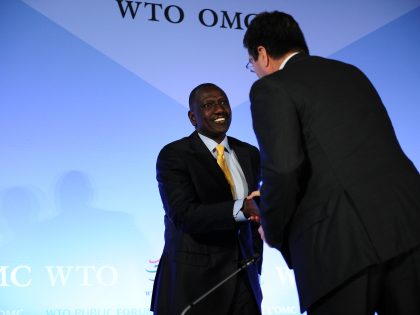
Which theology we will use to make sense of the relationship between church and state in Kenya?

The legal politics of religious difference in late colonial northern Nigeria still resonate more than 60 years post-independence.
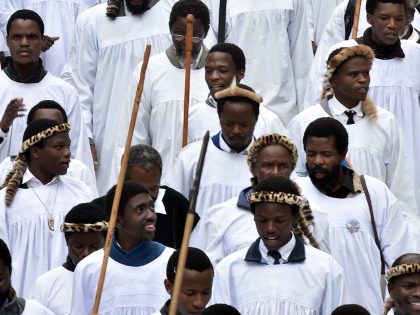
The spread of Garveyism from the US to Africa was as much about political liberation as it was religious salvation.
Why would African Christians in the West, discriminated against in Europe and the United States, embrace views that marginalize not only others but also themselves?
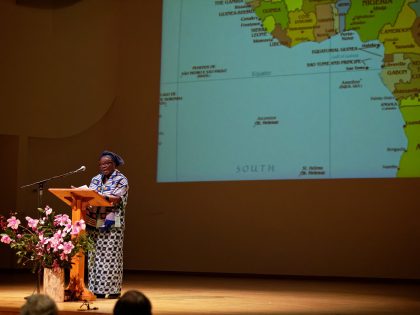
The leading African writers and creative artists who are reimagining Christian thought and the several Christian-inspired groups who are transforming religious practice.