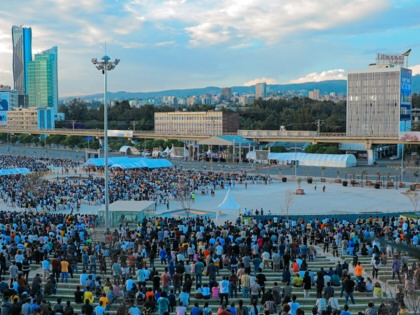
Eyes open in Addis
In Addis Ababa, the war in Tigray once arrived only in fragments. What happens when the dark we made for ourselves no longer holds?
In Addis Ababa, the war in Tigray once arrived only in fragments. What happens when the dark we made for ourselves no longer holds?
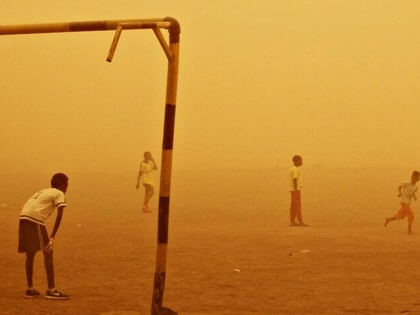
Across generations of displacement, struggle, and war in Sudan, ordinary acts of care become a form of inheritance that no violence can erase.
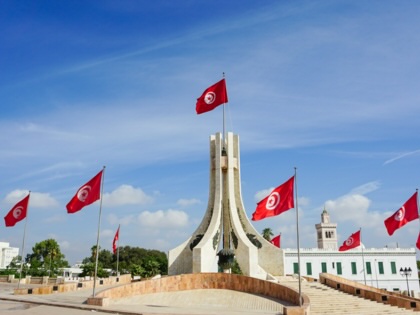
Tunisia is a Mediterranean market when Brussels wants trade, and an African frontier when Brussels wants border control.
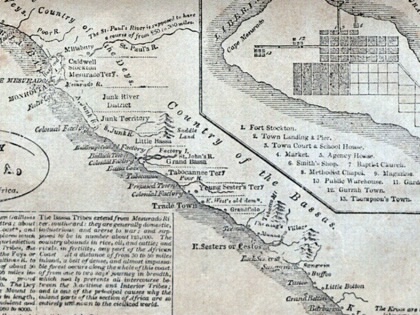
Two centuries after the American Colonization Society shipped free black Americans to Liberia, Washington is sending its unwanted there once more.
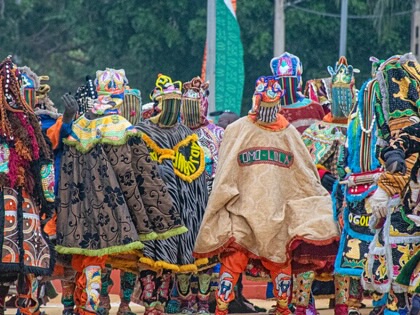
Masquerade custodians in Lagos keep saying no to Nollywood. Nollywood keeps returning to masquerades anyway.
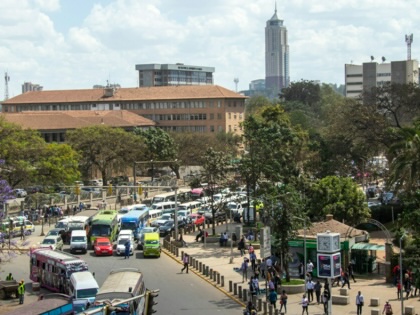
From traders’ credit circles to self-built water networks, Africa’s urban majority keeps finding ways to thicken city life. Can these popular economies still decouple the future from capital’s calculations, even as they open new frontiers for capture?
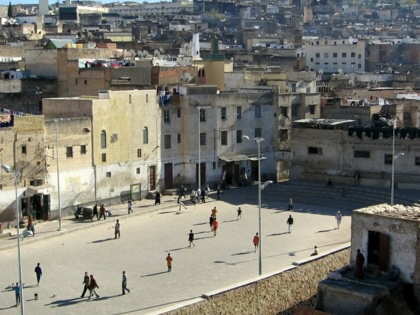
Political rivalries increasingly overshadow the bonds between Algerians, Moroccans, and Tunisians, as social media amplifies the contradictions of Maghrebi identity.
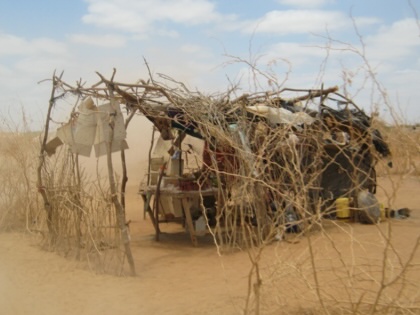
What if migrant environments, so often cast as scenes of abjection, border transgression, criminality, and placelessness, are instead repositories of knowledge, craft, and refined domesticity?
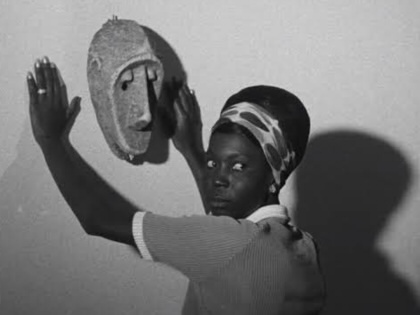
Ousmane Sembène’s and Souleymane Cissé’s debut features end with women who choose death. What is more uncomfortable to confront: their deaths, or the conditions that made life itself unbearable?
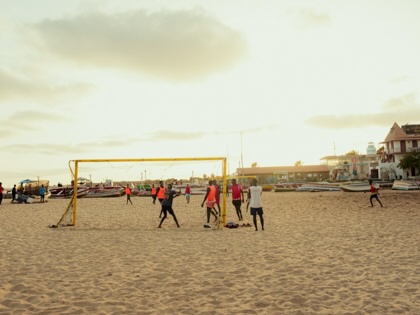
Africa’s football federations stood by Gianni Infantino through FIFA’s sell-off scandal. What would it take for them to spend that leverage on something that lasts?
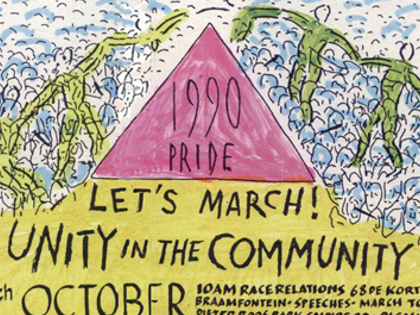
Trans and gender diverse people are routinely told that what they are is new. In South Africa, they have not merely survived history, but they have also shaped it.
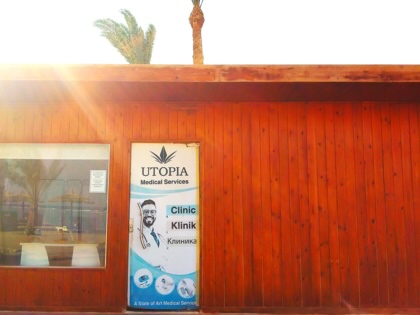
Thomas More’s Utopia was not written as a metaphor for paradise, but for those trying to organize. What would an African equivalent look like?