The key figures in Colombia’s Picó sound system culture
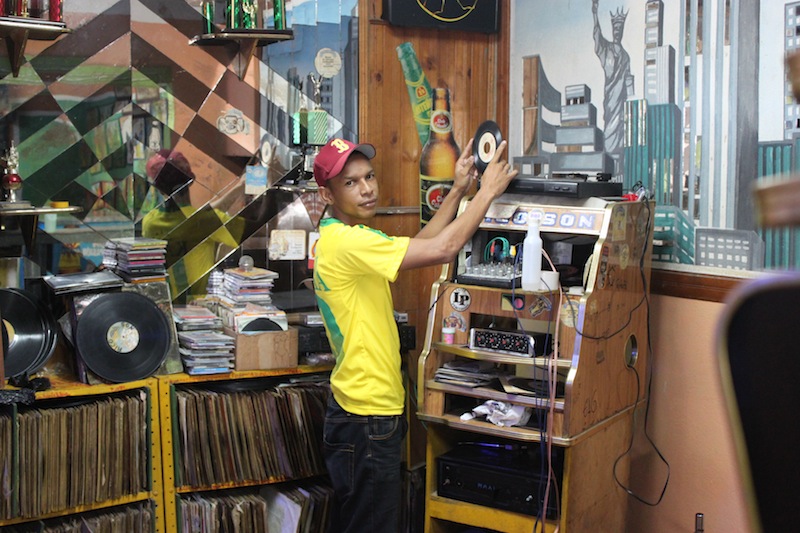
The sound system, or Picó culture of the Caribbean coast of Colombia is very close to my heart. Not only is there a strong relationship between it and the popular music of 1970’s and 80’s West and Central Africa, but the propensity towards innovation via digital production (something that I’m near obsessed with as a DJ) is very strong in this part of the world as well. As I’ve highlighted in previous writing, Atlantic costeño audiences and producers will consume and reproduce everything from soca to zouk to mbaqanga to vallenato to salsa to dancehall to soukous to contemporary Nigerian Pop – incorporating their own indigenous African rhythms, language, and cultural understandings into the diverse musical stew. Throw in the Spanglish-patois influence of the Caribbean islands of San Andres and Providencia, and you have the makings for my Black Atlantic musical mecca.

I’ve now taken two pilgrimages to this part of Colombia (while neglecting other, equally fascinating, parts of the country) in order to see, interact, and learn in this environment. Each time I’ve been there I end up lamenting the lack of attention the scenes get outside of Colombia and a small circle of international DJs. Well, Native Instruments – the German music software and hardware company – has taken a step in the right direction by financing the below documentary. Directed by Luis Antonio Delgado, it follows Colombian music producer Mauricio Alvarez around the region as he encounters some of the key players in the Picó scenes of Cartagena and Barranquilla. Check it out below:

cross-posted at Dutty Artz
About the Author

Boima Tucker is a music producer, DJ, writer, and cultural activist. He is the managing editor of Africa Is a Country, co-founder of Kondi Band and the founder of the INTL BLK record label.

Further Reading

Progress is exhausting

Pedro Pinho’s latest film follows a Portuguese engineer in Guinea-Bissau, exposing how empire survives through bureaucracy, intimacy, and the language of “development.”

The rubble of empire

Built by Italian Fascists in 1928, Mogadishu Cathedral was meant to symbolize “peaceful conquest.” Today its ruins force Somalis to confront the uneasy afterlife of colonial power and religious authority.

Atayese

Honored in Yorubaland as “one who repairs the world,” Jesse Jackson’s life bridged civil rights, pan-Africanism, empire, and contradiction—leaving behind a legacy as expansive as it was imperfect.

Bread or Messi?

Angola’s golden jubilee culminated in a multimillion-dollar match against Argentina. The price tag—and the secrecy around it—divided a nation already grappling with inequality.

Visiting Ngara

A redevelopment project in Nairobi’s Ngara district promises revival—but raises deeper questions about capital, memory, and who has the right to shape the city.

Gen Z’s electoral dilemma

Long dismissed as apathetic, Kenya’s youth forced a rupture in 2024. As the 2027 election approaches, their challenge is turning digital rebellion and street protest into political power.

A world reimagined in Black

By placing Kwame Nkrumah at the center of a global Black political network, Howard W. French reveals how the promise of pan-African emancipation was narrowed—and what its failure still costs Africa and the diaspora.

Securing Nigeria

Nigeria’s insecurity cannot be solved by foreign airstrikes or a failing state, but by rebuilding democratic, community-rooted systems of collective self-defense.