On the Journalistic Value of Internet Map Memes
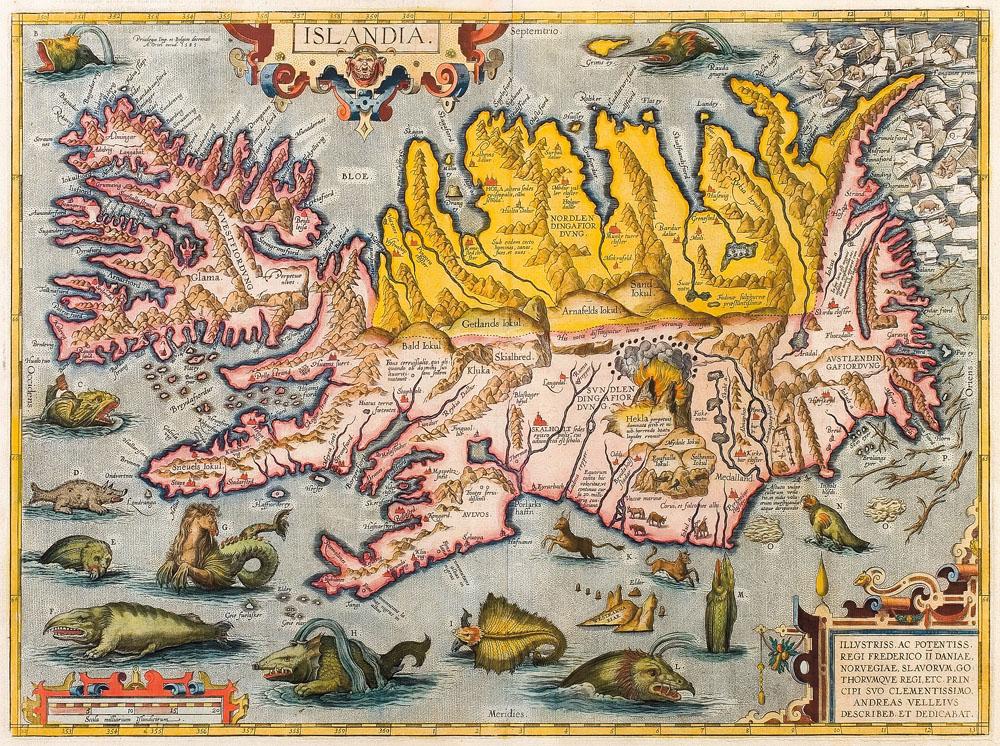
At the Washington Post, the Art of Cartography attained such Perfection that the Map of a complex issue, when color-coded in a way that reassured Americans of their innate Superiority over inferior Peoples, could always be relied upon to get way more Hits than any actual Reporting.

Before long, the Washington Post announced that it had abandoned Journalism forever. The following Generations, who liked Reporting but were not so fond of the Study of Supremacist Cartography as their Forebears had been, saw that these Maps were Useless, and not without some Pitilessness was it, that they delivered them up to the Inclemencies of Sun and Winters. In the Deserts of the West, still today, there are Tattered Ruins of those Maps, inhabited by Animals and Beggars; in all the Land there is no other Relic of the Discipline of The Cartography of Bullshit.

* With sincere apologies to Jorge Luis Borges.

Further Reading

Slow death by food

Illegal gold mining is poisoning Ghana’s soil and rivers, seeping into its crops and seafood, and turning the national food system into a long-term public health crisis.

A sick health system

The suspension of three doctors following the death of Chimamanda Ngozi Adichie’s son has renewed scrutiny of a health-care system plagued by impunity, underfunding, and a mass exodus of medical professionals.

Afrobeats after Fela

Wizkid’s dispute with Seun Kuti and the release of his latest EP with Asake highlight the widening gap between Afrobeats’ commercial triumph and Fela Kuti’s political inheritance

Progress is exhausting

Pedro Pinho’s latest film follows a Portuguese engineer in Guinea-Bissau, exposing how empire survives through bureaucracy, intimacy, and the language of “development.”

The rubble of empire

Built by Italian Fascists in 1928, Mogadishu Cathedral was meant to symbolize “peaceful conquest.” Today its ruins force Somalis to confront the uneasy afterlife of colonial power and religious authority.

Atayese

Honored in Yorubaland as “one who repairs the world,” Jesse Jackson’s life bridged civil rights, pan-Africanism, empire, and contradiction—leaving behind a legacy as expansive as it was imperfect.

Bread or Messi?

Angola’s golden jubilee culminated in a multimillion-dollar match against Argentina. The price tag—and the secrecy around it—divided a nation already grappling with inequality.