Afrikaner Bloods
Factual media reporting on how South African relationships and attitudes, especially between blacks and whites, evolve are hard to come by.
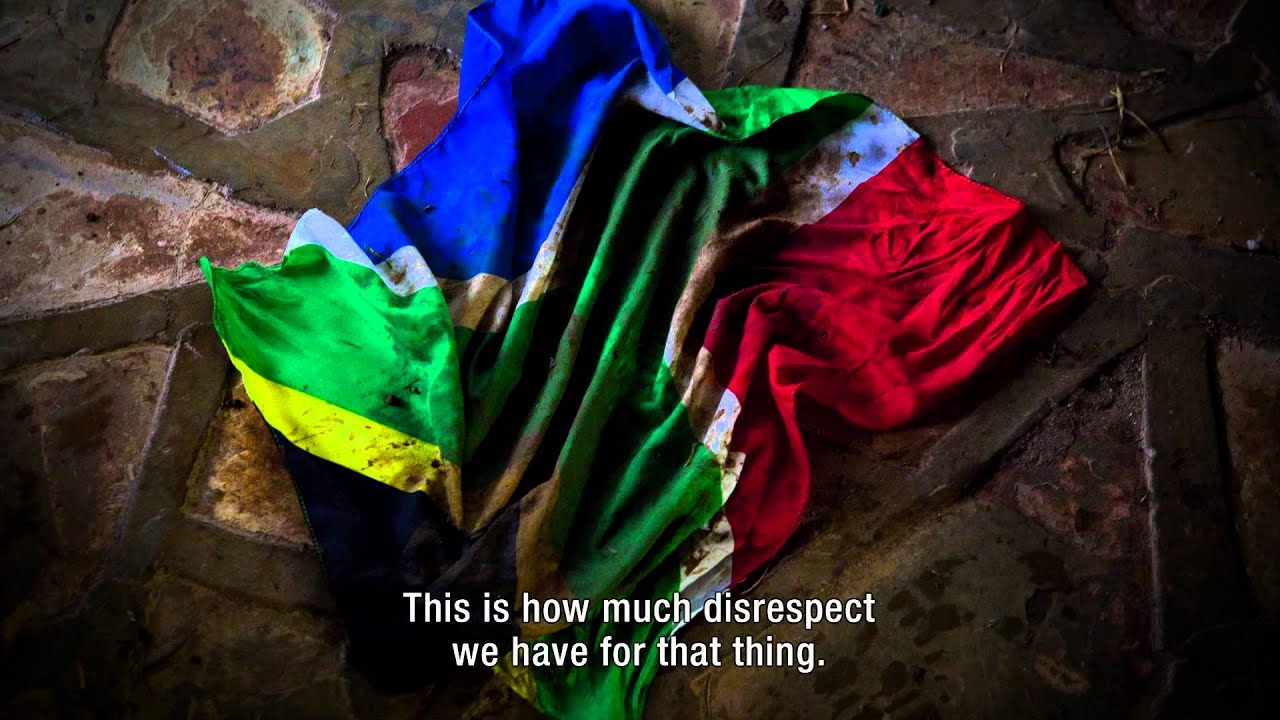
Periodically I’ll scan the international media for reports about “heightening tensions between black and white South Africans.” They never disappoint. (Serious, try it.) Moreover, it seems to have become standard practice to believe and copy each other’s stories. (Incredibly, even Think Africa Press recently wrote tensions flared.)
It made me wonder how reporters actually measure those tensions. I assume they rely on sensationalist South African press headlines about run-ins between black and white South African citizens (these stories usually come with blown-up quotes), or fancy documentaries like in this report with sound-bite bylines such as “White South African teens wrestle with an uncertain identity . . . They learn they are their own people – not South Africans but Afrikaners.”
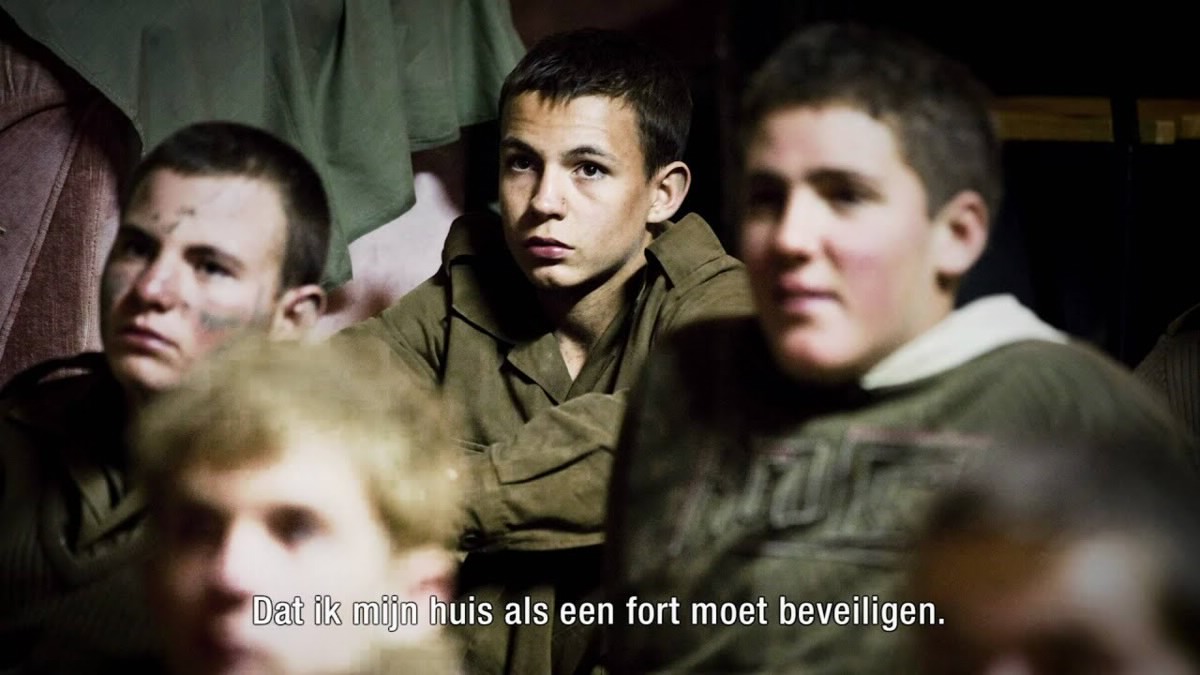
Remember we wrote about this story and called it ‘The Dutch Disease’, a month before a motion was submitted, and then rejected to the Dutch Parliament “ . . . asking the [Dutch] government to help stop racial discrimination against the Afrikaners in South Africa.”
The Institute for Justice and Reconciliation, one of the few organizations doing factual research on how South African relationships and attitudes evolve, paints a different picture of how blacks and whites relate; a picture that might be too complicated for print.