Sierra Leone’s Own TV
An interview with the founders of a media center providing technical, artistic and vocational support to filmmakers in Freetown.
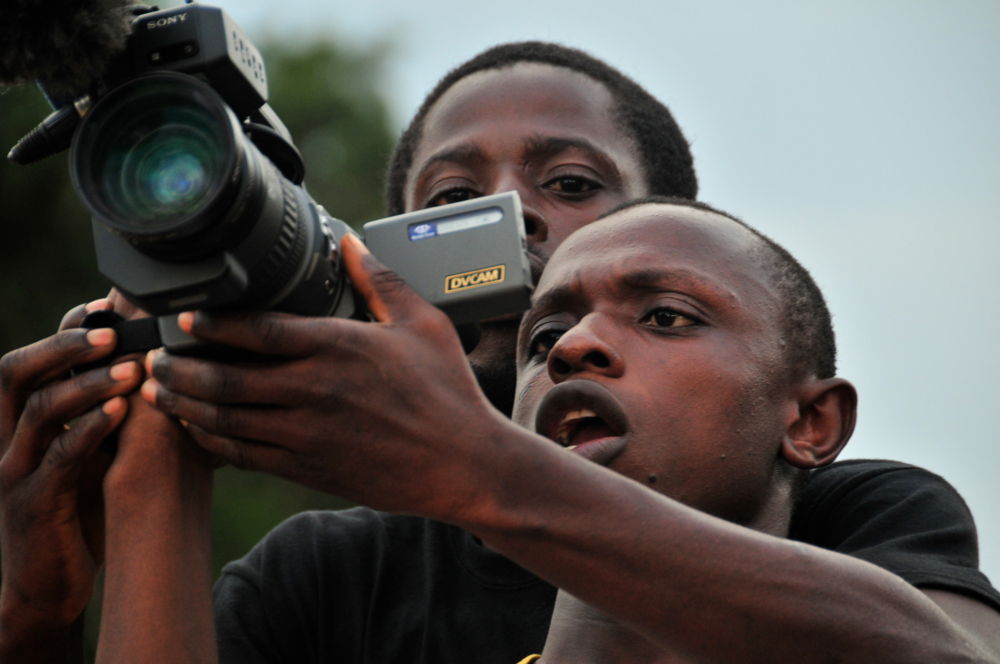
Credit: WeOwnTV.
There is one TV channel, run by the government, in Sierra Leone, mainly covering the capital Freetown. A private channel, ABC Television-Africa, also broadcasts to a limited audience. Audiences have had more luck with the internet. In 2008, PC World reported that the internet is growing fast because of the increased use of cell or mobile phones. “Young people are opting for the most affordable services offered by major ISPs (Internet service providers) in the country.”
Some creatives have taken advantage of this growth in online access. Like The Vicky Remoe Show. Named after the presenter, the show is a mix of “man-on-the-street interviews, on-location travel segments, on-set segments taped in front of live audiences (like last year’s Valentine’s Day dating game show) and experiential service pieces (such as her Katie Couric-style televised implantation of a contraceptive device).”
WeOwnTv is a part of this. A nonprofit organization that works with film as a tool for social change, it was co-founded by the American filmmaker Banker White and Sierra Leonean musician Black Nature. White co-directed the film, “Sierra Leone’s Refugee All Stars,” about a Salone band in which Black Nature had a featured role. WeOwnTV is a year-round community-based media center providing technical, artistic, and vocational support to filmmakers in Freetown. They also launched the “ . . . WeOwnTV Filmmaker Fellowship, a regional film fund and professional development program supporting the production of independent documentaries directed by Ghanaian, Guinean, Liberian and Sierra Leonean filmmakers.”
In March, I interviewed the two co-founders in San Francisco while they were in the U.S., while they were working on new songs and film projects. Check out the interview, at the link below, with Black Nature and learn more about WeOwnTv and hear an exclusive private performance by Black Nature. Unfortunately, the sun was setting while the interview took place, so some of the footage was a little too dark.
Meanwhile, WeOwnTv are working on a new film project about 50 years of independence in Sierra Leone. They have started a Kickstarter page and they have almost reached their goal. You have until Wednesday to support the project.
You can watch the interview here.