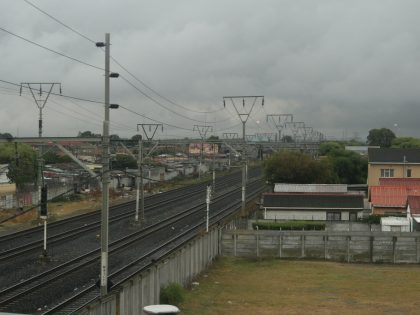
Too many films about the 2010 World Cup
Here's some things I did not have the time to blog about properly or link to this past week. It's Weekend Special.
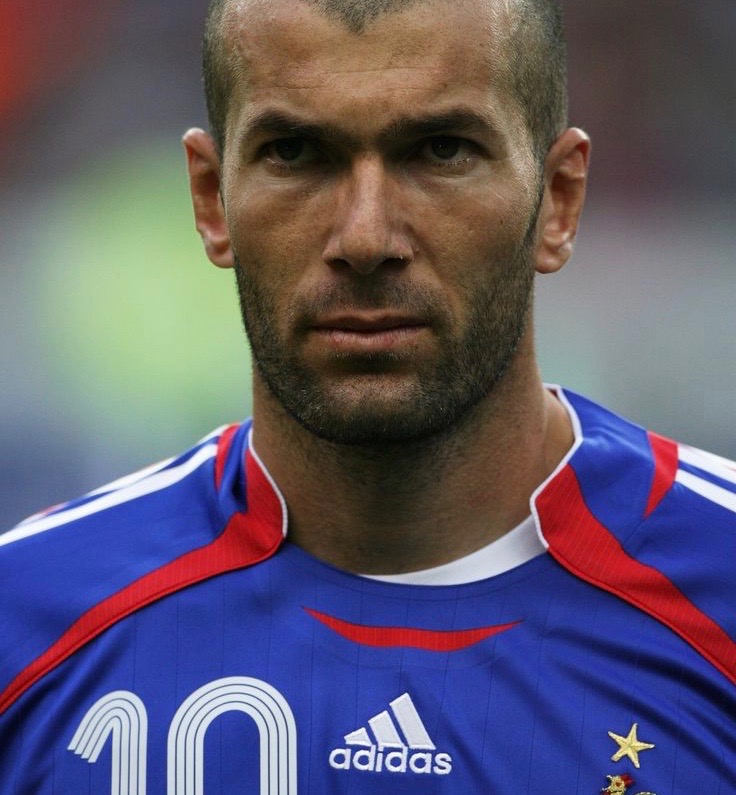
Zinedine Zidane, 2006.
Multinational food company, Nestle, now says it won’t order milk anymore from a farm owned by Grace Mugabe, the Zimbabwean first lady. Nestle first said it wasn’t listening to anybody. That’s before civil society pressure from South Africa. Mrs Mugabe’s husband is the Life President of Zimbabwe. In 2000, Robert Mugabe, lost a referendum to extend his power. The next year he lost an election. Since then, he has made the Zimbabwean people pay for it.
The music magazine, The Fader, did a video interview with the popular Ugandan musician, Bobi Wine, whose pronouncements on the shortcomings of the country’s political leadership has earned him the title “Mr President.” The actual president, Yoweri Museveni, who has been in power since 1986, is not happy about this. Watch here.
I teach a class on Documenting International Affairs at The New School. We talk about and watch (in and outside of class) all the usual titles: “Why We Fight,” “Rambo,” “Star Wars,” “Hearts and Minds” and “Cry Freedom,” among others, but we also talk about great filmmakers like the German-Romanian director Harun Farocki, whose 22 minute film, “Inextinguishable Fire” (it first came out in 1969), about the use of napalm during the Vietnam War, is still, for me one of the most inventive applications of the genre.
I have been listening to the live feed from the radio station set up for this annual music festival in Cape Town from the people bringing you Chimurenga Magazine. More information here.
Music break: Miles Davis’s “Amandla.”
Barack and Michelle Obama had to pose 135 times with visiting dignitaries to the UN General Assembly last week, including African ones.
Everybody and their goalkeeper is making films about the 2010 World Cup. Because it is in Africa. Even Will.I.am is making one.
Kenyan journalist, Kassim Mohammed, goes to investigate piracy in Somalia, gets invited to a pirate base, and, before he knew it, is taken hostage [link].
Fazila Farouk on the “cute” G20.
“Watching wildlife with white people.”
J Period and K’Naan’s “The Messangers” is a mixtape honoring Bob Dylan, Bob Marley and Fela. [Link]
“Evidence vs Dogma in Darfur” [Link]
Not everyone – well really Village Voice music critic, Rob Harvilla – can see the genius of BLK JKS.
If you’re in New York City, on October 19 philosopher Anthony Appiah will interview Chinua Achebe on the publication of his first new book in more than 20 years “The Education of a British-Protected Child,” a collection of autobiographical essays at the 92nd Street Y.