David Hundeyin may not be a false prophet
In Nigeria’s media landscape, anti-imperialist commentary captures popular anger without transforming it, turning dissent into spectacle rather than power.
In Nigeria’s media landscape, anti-imperialist commentary captures popular anger without transforming it, turning dissent into spectacle rather than power.
The scandal around Ezra Olubi has exposed the contradictions of Nigeria’s middle-class, online feminism.

Somalis have answered Trump’s latest racist tirade not with outrage but with a tidal wave of trolling.
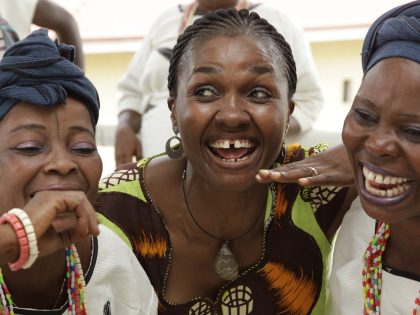
As the White House hypes “Christian genocide” and floats military action, northern Nigerians are responding with satire.

In Mauritius, social media memes and leaks exposed corruption, galvanized youth, and reshaped the nation’s political landscape.
On the deplatforming of 'African Stream.'

Nicknamed the “Candace Owens of South Africa,” Siphesihle Nxokwana is an anti-feminist influencer playing to crowds already on her side.
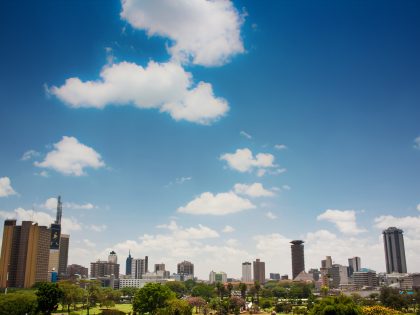
Digital activism is playing a significant role in amplifying the impact of the #RejectFinanceBill2024 and #RutoMustGo protests, but how effective can it ultimately be?

The theft dispute between Onezwa Mbola and Nara Smith reveals the consumerist undertones behind content for women in the online creative economy.
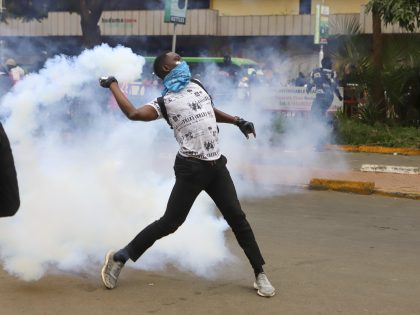
Kenyan youth are leading popular protests against regressive tax reforms that will worsen the country’s worsening cost of living crisis.

While social media has amplified calls for social justice in long-ignored parts of the world, it should only be the beginning of our activism.
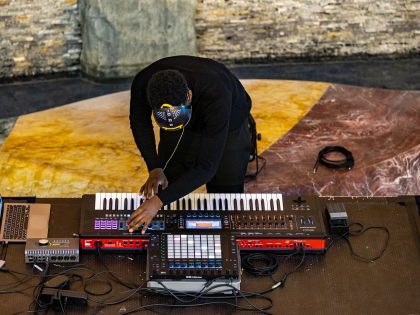
Between the Grammys and AFCON semi-final, it's been a big week for the rivalry between Nigeria and South Africa.
Faced with many crises, including unemployment and a rising cost of living, Angolans are turning to memes to express their political discontent.
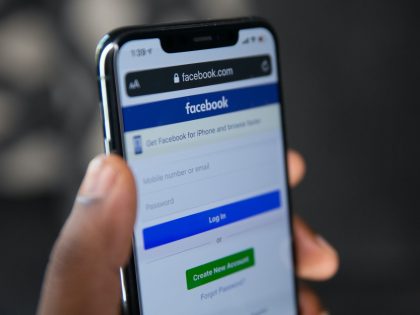
Is a Facebook-led social media movement enough to change a country? The case of Angola.
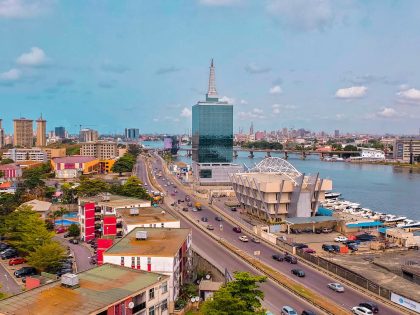
For black women in particular, the individual pursuit of a soft, consumption-driven life is a fragile approach to securing social justice.
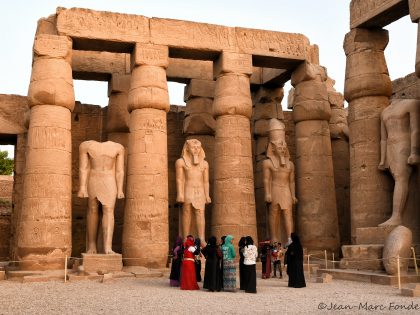
The notion that black people were kings in Ancient Egypt is generating a social media backlash. Understanding the racialized legacy of Egyptology can explain why.
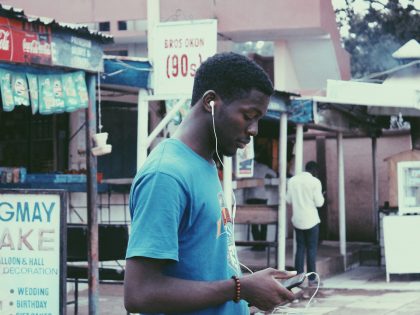
The "follow-back" economy of Nigerian Twitter represents a struggle for recognition in a vastly unequal and status-obsessed society.

Whether or not Twitter survives should be irrelevant to those committed to building a democratic public sphere.
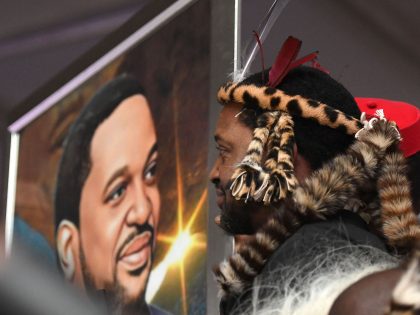
New Zulu king Misuzulu's strategy for ensuring the relevance of his monarchy copies from the Windsors in Britain: use the media.

Facebook and its “family” of services are a one-way street towards greater integration, data exploitation, and erosions of privacy by an increasingly monopolistic company.