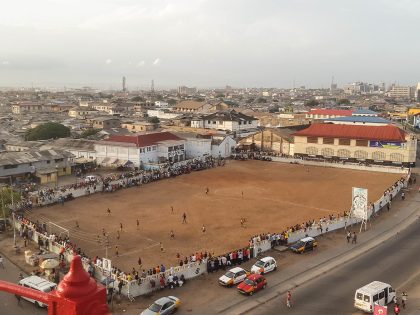
Matchday 1: Kwame Nkrumah
Up next in the African Five-a-side podcast, we name our central defender, and explain how Ghana's first president boycotted the 1966 FIFA World Cup and won two Afcons.
Up next in the African Five-a-side podcast, we name our central defender, and explain how Ghana's first president boycotted the 1966 FIFA World Cup and won two Afcons.
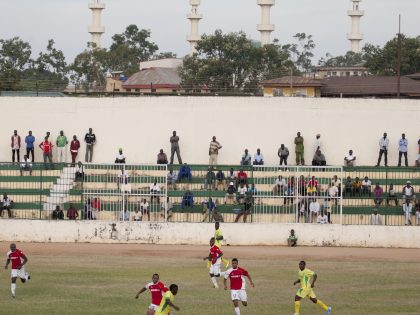
Africa Is a Country is proud to introduce a new podcast focused on the politics and cultural relevance of football on the African continent.
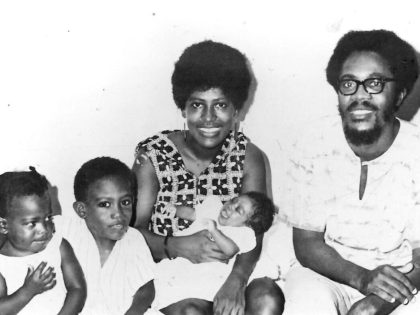
A new film on the life of Walter Rodney gives a glimpse of his radical solidarity politics and centers on his family, who struggled and suffered with him.
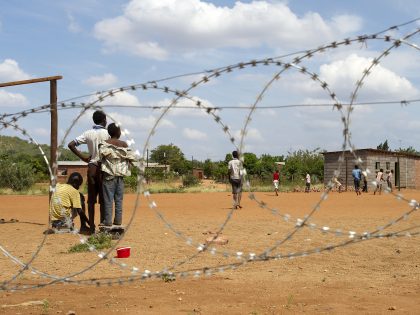
After 29 years of neoliberal failure in South Africa, foreigners are a convenient scapegoat for a national elite that failed to redistribute wealth. This is a pattern common to post-colonial Africa.
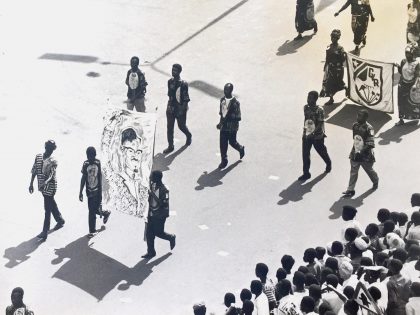
Jacques Bongoma was a young Congolese progressive who became a close advisor to Joseph Mobutu after the country’s 1965 coup.
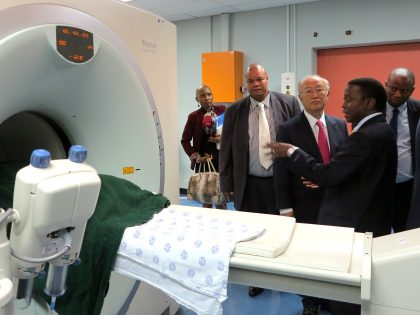
By using healthcare to attack immigrants, xenophobic political movements in South Africa echo long-standing right-wing obsessions.
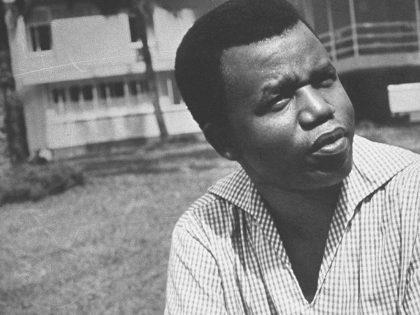
This month on Africa Is a Country Radio, taking inspiration from the work of Chinua Achebe, we take a listen to the music of the post-independence era on the African continent.
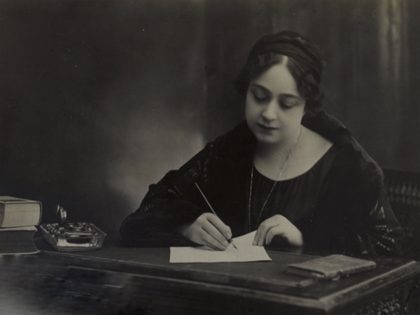
What lessons for today are there from how post-independence governments in Africa conceptualized sovereignty?
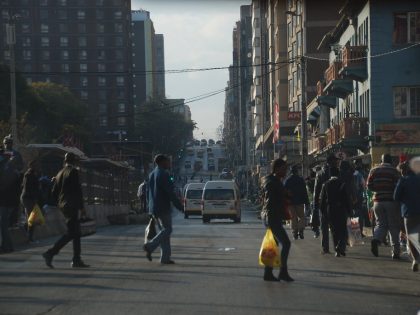
The question of who belongs in South Africa, stains any project that aims to build a more equal and inclusive society.
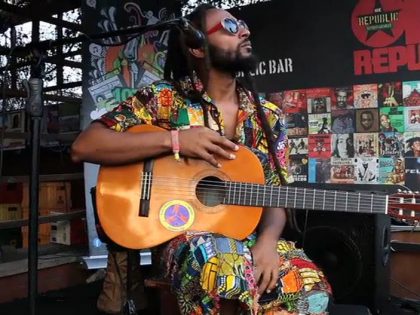
Art – especially music – occupies a double-edged place in Ghanaian history in its relation to power.
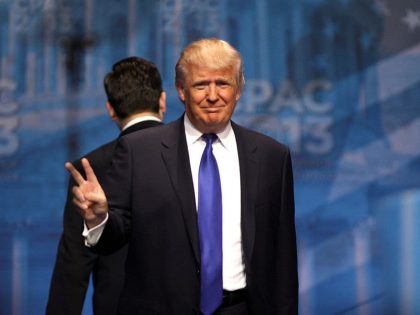
What does it say about a country that could elect such an unsavory character?
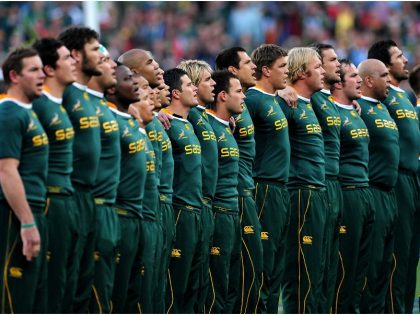
Next time 'Die Stem' part of the South African anthem plays, the appropriate reaction is to sit down or take a knee.
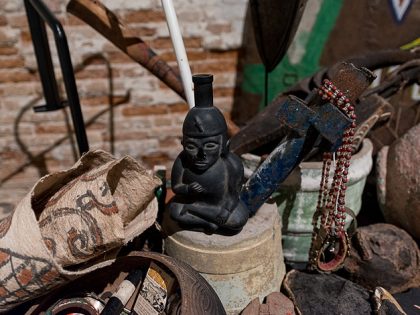
Okwui Enwezor’s “All the World's Futures” is a radical attempt at shifting the paradigms of biennale models to create a more democratic society of artists and exhibition spaces.
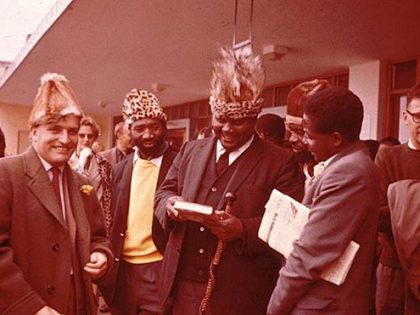
In Terence Ranger, politics and history, nationalism and scholarship, intersected in ways rarely seen. Zimbabwe and Africa, will forever be in his debt.
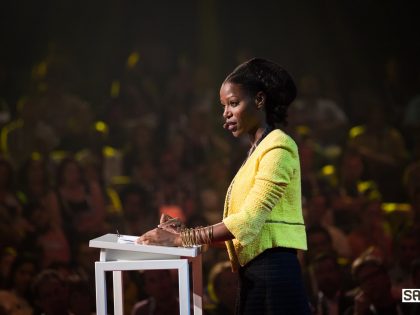
The writer Taiye Selasi doesn’t seem to realize there is a difference between identity as a subjective, biographical problem and identity as a legal and political reality.
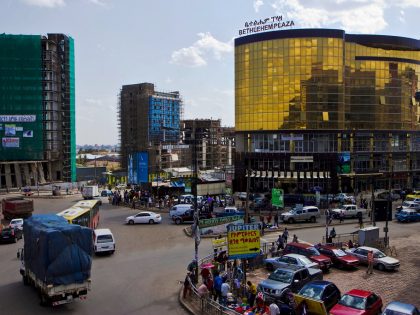
Politics in and about Ethiopia has become so heavily “ethnicized” that we have a difficult time distinguishing between ideology and identity.
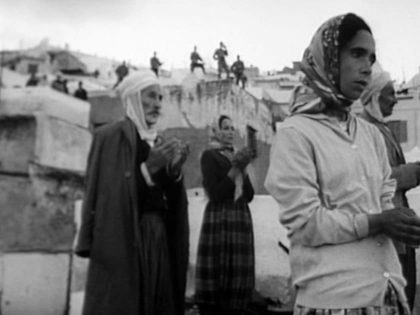
What gives Fanon's thinking its force and power is the air of indestructibility and the inexhaustible silo of humanity which it houses, argues Achille Mbembe.
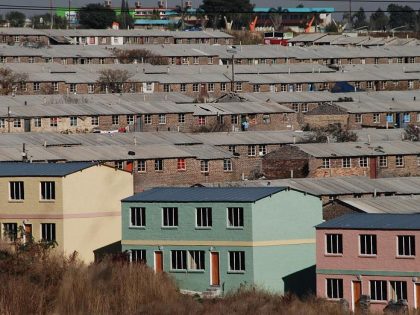
From nationalism, we have passed to chauvinism, and finally to racism. Why are South Africa's middle classes not mobilizing against xenophobia.