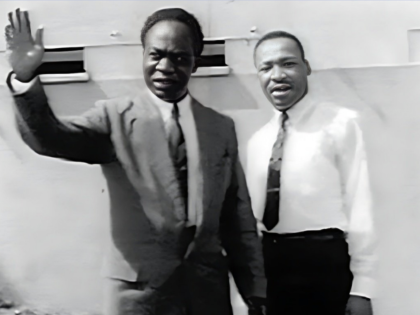
A world reimagined in Black
By placing Kwame Nkrumah at the center of a global Black political network, Howard W. French reveals how the promise of pan-African emancipation was narrowed — and what its failure still costs Africa and the diaspora.
By placing Kwame Nkrumah at the center of a global Black political network, Howard W. French reveals how the promise of pan-African emancipation was narrowed — and what its failure still costs Africa and the diaspora.
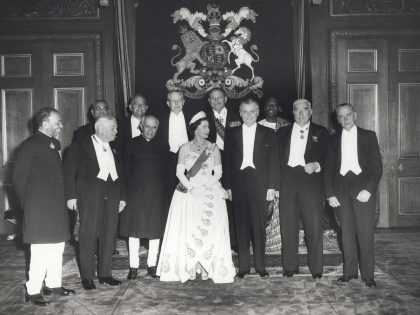
From colonial accounting tricks to modern tax havens, Nkrumah understood how capital escapes, and why political independence was never enough.
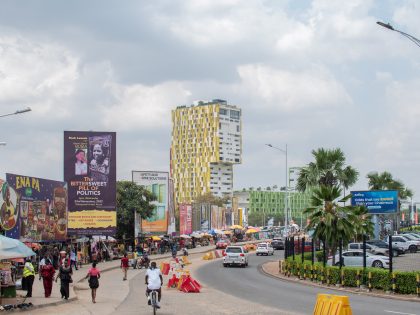
On the podcast, we explore: How did Ghana go from Nkrumah’s radical vision to neoliberal entrenchment? Gyekye Tanoh unpacks the forces behind its political stability, deepening inequality, and the fractures shaping its future.
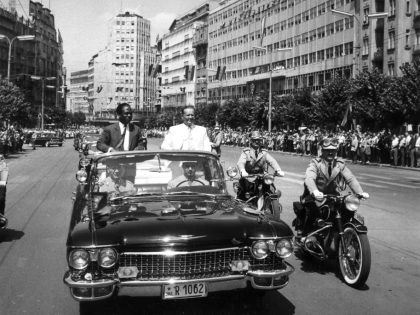
New documents looking at British and American involvement in overthrowing Kwame Nkrumah give us pause to reflect on his legacy, and its resonances today.
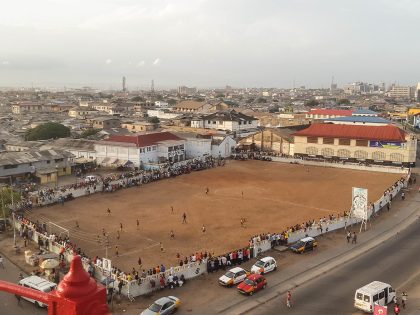
Up next in the African Five-a-side podcast, we name our central defender, and explain how Ghana's first president boycotted the 1966 FIFA World Cup and won two Afcons.
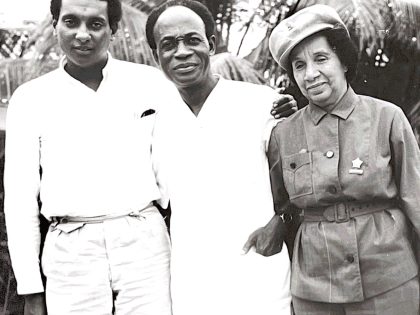
A project - helmed by historians Benjamin Talton and Jean Allman - to archive post-independence African revolutions, including Kwame Nkrumah's personal and professional papers.
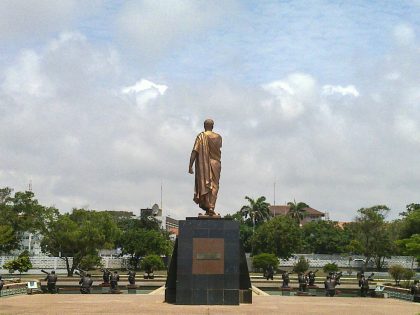
Business fraud and illicit financial flows are not a new problem for Africa — the "Drevici Affair" in Nkrumah's Ghana is instructive.
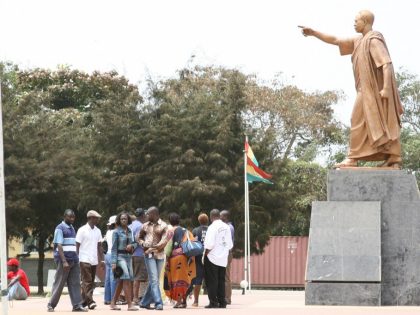
Nkrumah’s written works and speeches reveal a selective encounter and appropriation of tools — in this case from Marxist thought — that were translated through Nkrumah’s traveling theory.
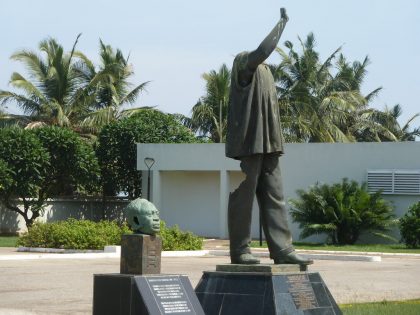
Israel projected itself as a plucky postcolonial nation. Many African nations and leaders bought into it. Israel's occupation of the Sinai in 1967 changed that.
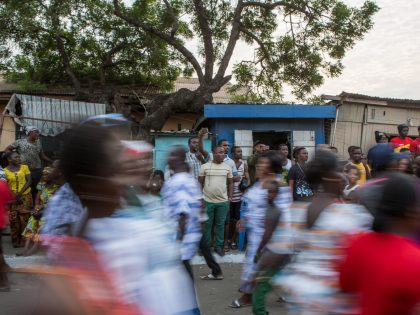
How Kwame Nkrumah and Julius Nyerere’s approaches to gender politics, help reshape feminist visions for reclaiming a developmental state.
Nkrumah, Nyerere and Senghor were acutely aware of the need to displace the epistemic conditions of colonization in order to transcend it.
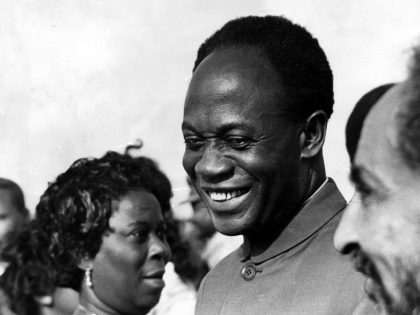
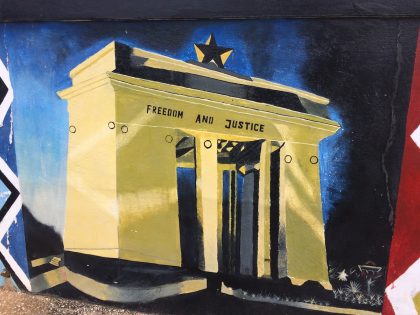
Historian Jeffrey Ahlman talks with Dan Magaziner aboutNkrumahism's shifting forms, and its influence on contemporarydecolonization movements.
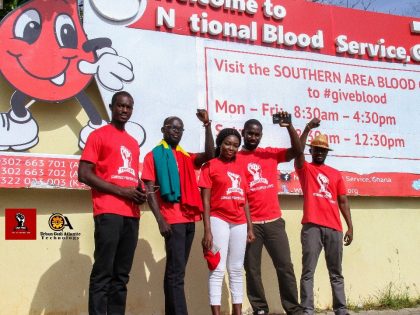
As Ghana moves forward with a US military agreement, one group seeks to challenge the country's political direction.
Today, 30,000 of the 235,000 Ghanaian immigrants to the US call New York City home.
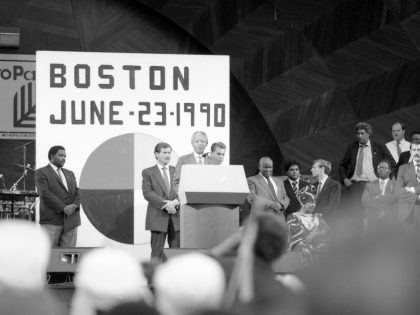
It is not hard to understand the iconic status of Nelson Mandela and the overflow of emotion his death has provoked in the Pan-African world.
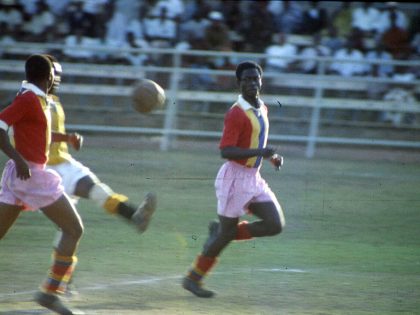
A short history of football, nation building and the consolidation of pan-African solidarity in 1960s Ghana.
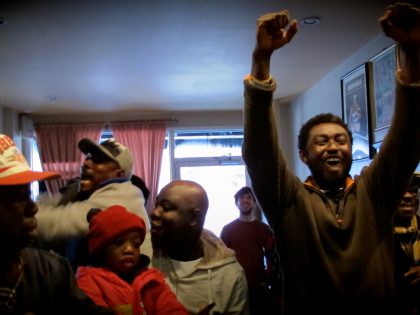
Watching the African Nations Cup with Ghana fans on Flatbush Avenue in Brooklyn.
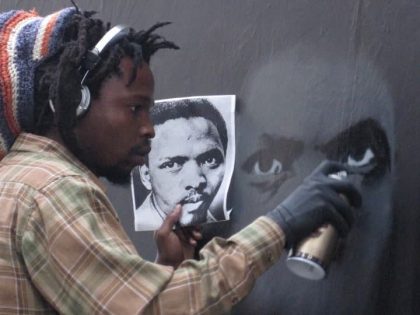
Breeze Yoko's mural highlights three African political icons: Steve Biko, Amilcar Cabral and Kwame Nkrumah.