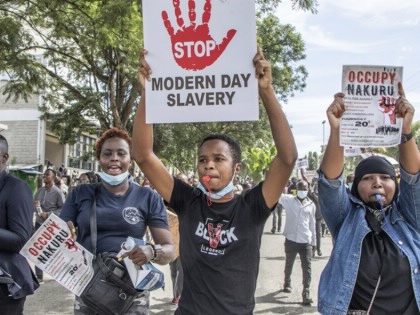
When the peacemaker clocks out
Kenya’s shift toward trade-led diplomacy underscores the difficulty of sustaining regional leadership under conditions of fiscal dependence.
Kenya’s shift toward trade-led diplomacy underscores the difficulty of sustaining regional leadership under conditions of fiscal dependence.
Across the country’s urban centers, young men are being recruited into political militias that offer quick cash, fleeting power, and little chance of escape.
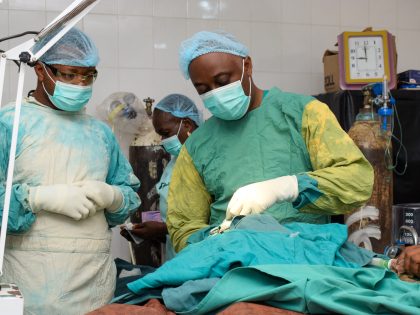
The suspension of three doctors following the death of Chimamanda Ngozi Adichie’s son has renewed scrutiny of a health-care system plagued by impunity, underfunding, and a mass exodus of medical professionals.

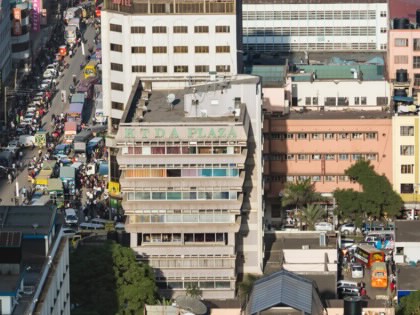
A redevelopment project in Nairobi’s Ngara district promises revival — but raises deeper questions about capital, memory, and who has the right to shape the city.
The scandal around Ezra Olubi has exposed the contradictions of Nigeria’s middle-class, online feminism.
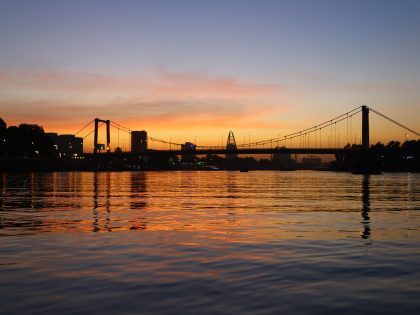
Khartoum’s recovery is not a national recovery. Until Sudan confronts the violence that has long been concentrated outside the capital, 'liberation' will remain a hollow word.
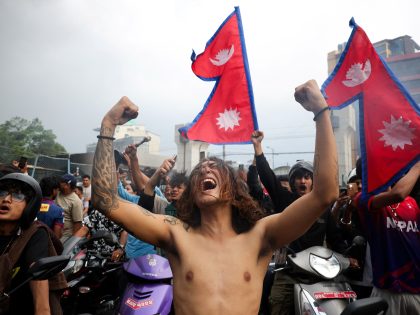
On the AIAC podcast, we speak with Feyzi Ismail about Nepal’s Gen Z uprising that toppled the ruling establishment.
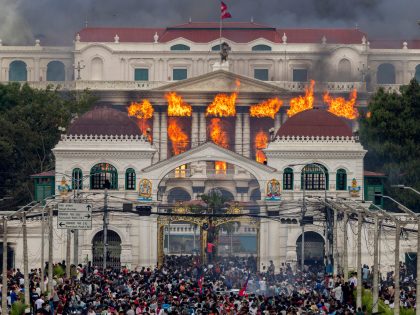
The youth-led uprising in Nepal has toppled the old guard, but its endurance depends on whether anger at corruption and inequality can be translated into lasting political change.
Web3 utopians promised a sovereign future for the African diaspora — but what they delivered was a networking club for elites, wrapped in crypto-libertarian hype and Afro-futurist aesthetics.
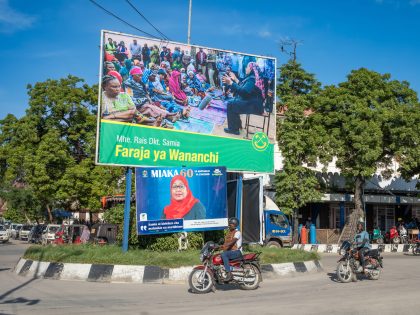
In Tanzania and beyond, political elites manage informal workers not by ignoring them — but by shaping their identities, dividing their ranks, and using class to tighten their hold on power.
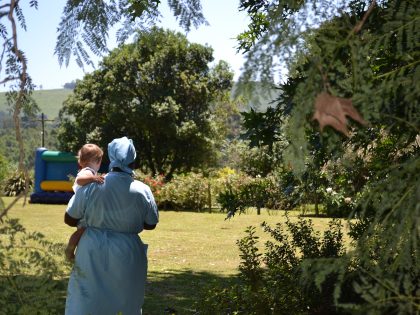
In Africa’s migration economy, women’s labor fuels households abroad while their own needs are sidelined at home. What does freedom look like when care itself becomes a form of exile?

On our year-end publishing break, we reflect on how 2024’s contradictions reveal a fractured world grappling with inequality, digital activism, and the blurred lines between action and spectacle.
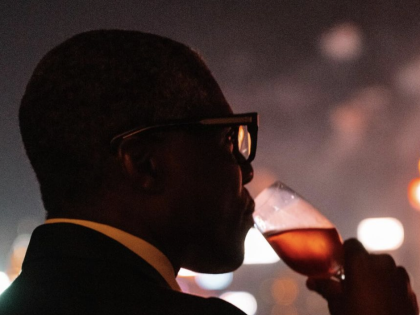
No matter where they are, the children of African heads-of-state live lives comically far-removed from those of the average citizen in their home countries.
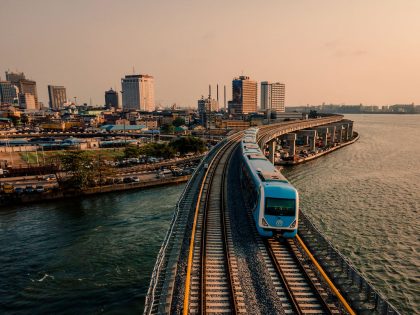
The arrival of mass rapid transit in the city offers a new metaphor for Nigeria’s social stratification.
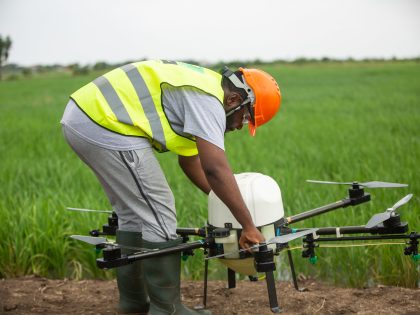
The coterie of billionaires and foreign aid agencies intent on transforming African agriculture have mostly upturned people’s lives.
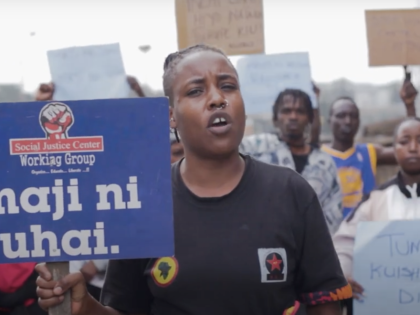
Access to water in Nairobi is horribly unequal. The World Bank, Nairobi Water Company, and development economists exploited this unjust context to treat poor Kenyans like guinea pigs.
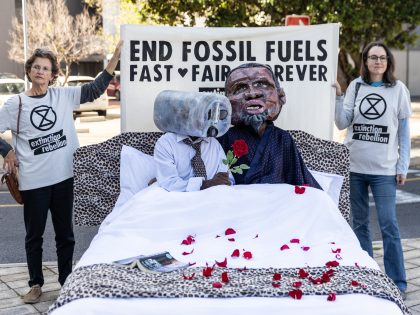
In South Africa, white climate groups are detached from broader struggles for economic justice and equality.
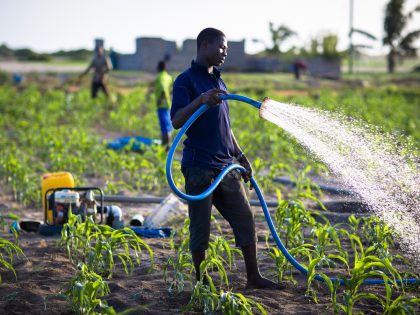
We often hear from Western donors that Africa suffers from food ‘scarcity.’ The real problem is the exploitation of African land, labor, and knowledge.
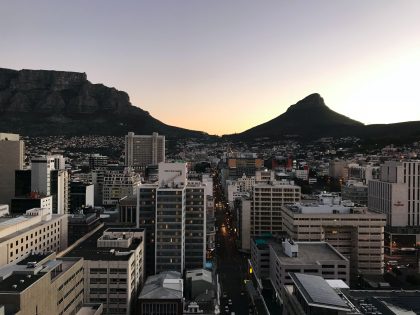
AirBnb is making the idea of a liveable, walkable city unattainable, while deepening inequality and decimating local industries.
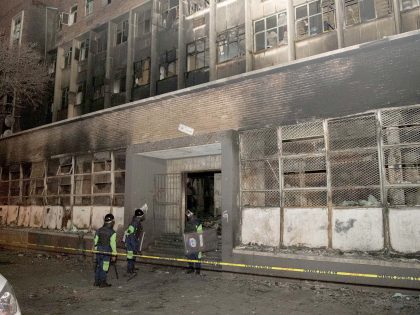
In response to the Johannesburg fire disaster, the South African government has announced a ‘politically free’ commission of inquiry. But there is no such thing.