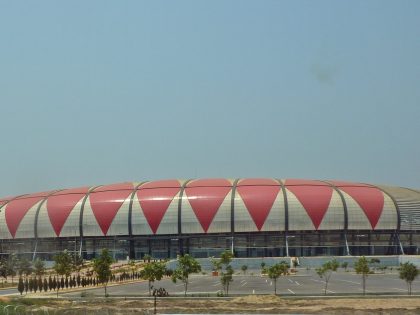
Bread or Messi?
Angola’s golden jubilee culminated in a multimillion-dollar match against Argentina. The price tag — and the secrecy around it — divided a nation already grappling with inequality.
Angola’s golden jubilee culminated in a multimillion-dollar match against Argentina. The price tag — and the secrecy around it — divided a nation already grappling with inequality.
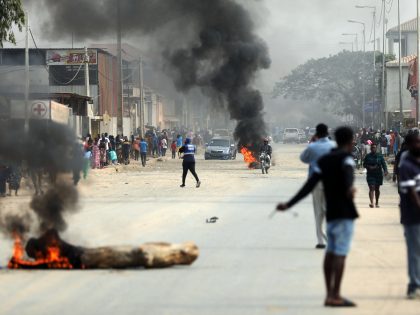
The shooting and prolonged detention of Serrote José de Oliveira expose how Angola’s legal order is not merely breaking down, but being deliberately replaced by a system of impunity and police power.
Angolans protest as the state threatens to tear down an historic building.
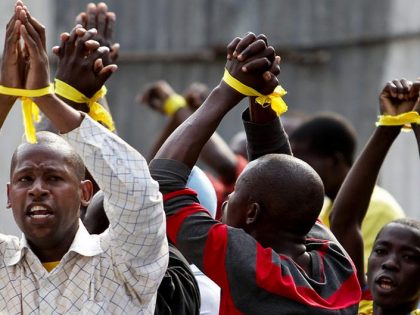
Angola spends millions of dollars to host the World Championships in roller hockey (yes). Anyone who think it is a waste of money gets beaten up.
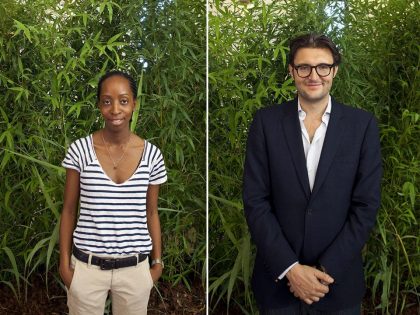
A conversation with the curators of the Angolan Pavilion at the 2013 Venice Biennale.
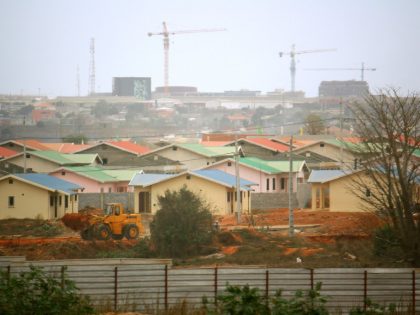
In a rapidly changing city like Luanda, it is important to be able to catalogue all of its eating establishment, or at least those that our wallets and stomachs allow.
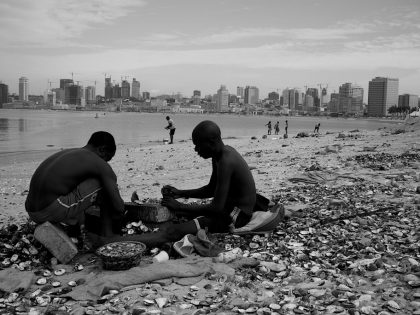
Claudio Silva emailed fellow Angolan, photographer Rui Sérgio Afonso, to tell us about his favorite images.
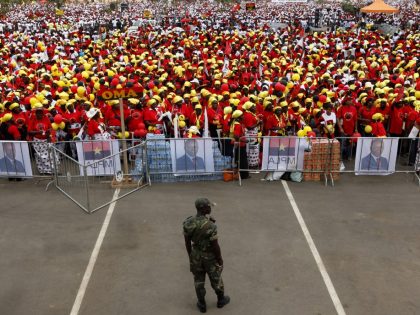
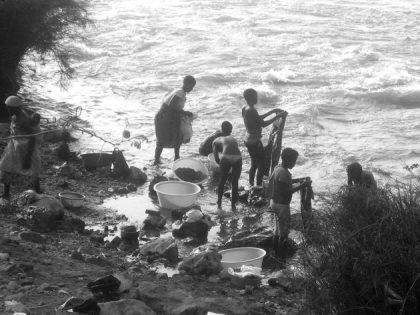
Claudio Silva asked young Angolan photographer Indira Mateta to write down her thoughts about her favorite photographs and email it to him.
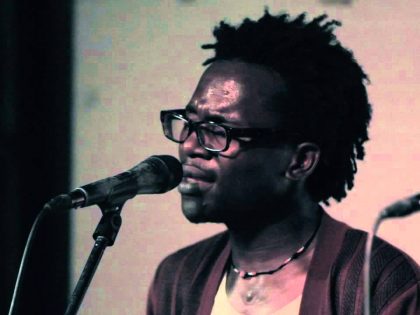
it’s underwhelming that despite its rich musical tradition, Angolan music is mostly known for a genre that roughly translates to "hard ass."
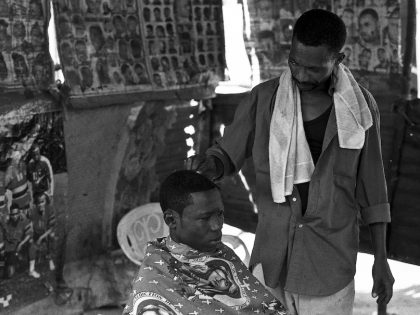
In post-socialist, growth-oriented Angola, the rich are getting richer and the poor have only their faith.

Kuduru as an effort by politically connected Angolan elites to to package a fun and edgy dance born in Angola as soft power.
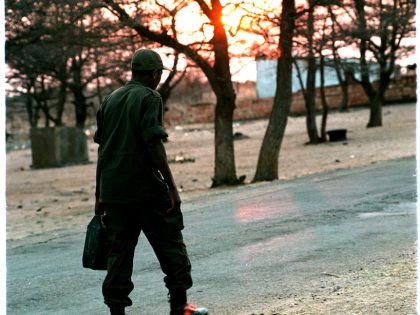
The Angolan singer's new album deals with war in the widest sense: war with the self, war with family, neighbors, friends.

When the Financial Times commits an entire article to topics Angolan, it fills my Google news alert for a week.
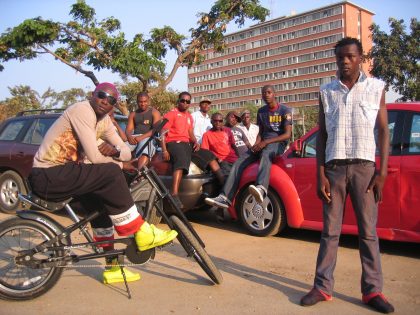
How a music genre is selling Angola's oil boom.
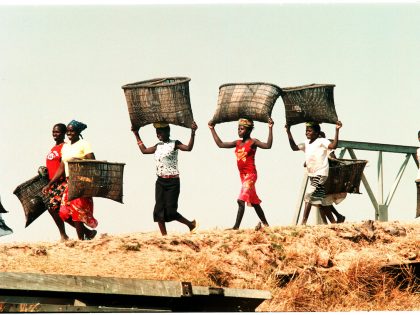
In Angola, the ‘pseudo-event’ is all the rage: small in meaning but enlarged by Facebook and cell phones.

Aline Frazão resists Lisbon media's pigeon-holing practices of post-colonial Portuguese paternalism.
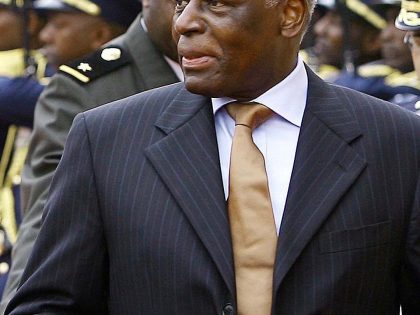
Rafael Marques de Morais, despite being labeled a foreign agent by the Angolan state, has always insisted that Angolans need to resolve their own problems.

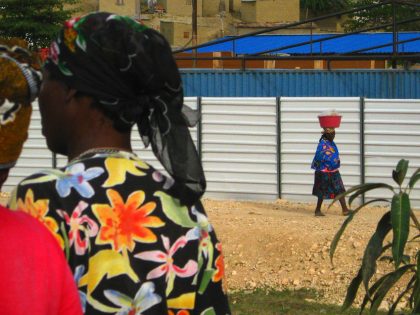
Those who pay the highest price for the high cost of living in the Angolan capital are not expatriates, but Angolans.