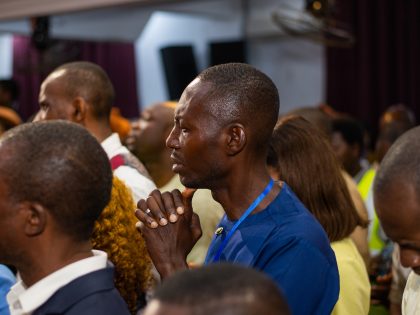
The myth of Christian genocide
Far-right and pro-Israel actors are recasting Nigeria’s insecurity as sectarian extermination to distract from Palestine.
Far-right and pro-Israel actors are recasting Nigeria’s insecurity as sectarian extermination to distract from Palestine.
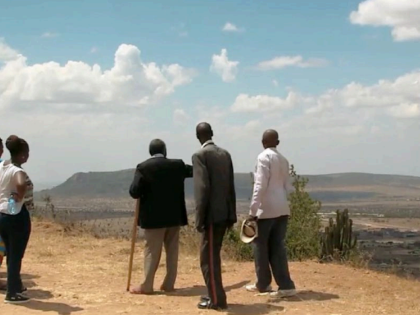
A powerful new documentary follows Evelyn Wanjugu Kimathi’s personal and political journey to recover her father’s remains — and to reckon with Kenya’s unfinished struggle for land, justice, and historical memory.
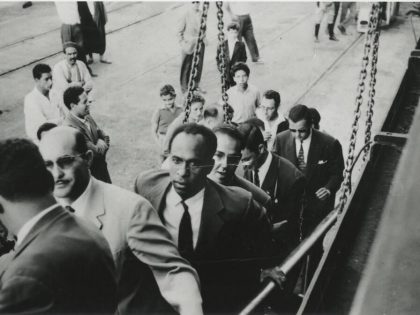
What would Fanon say about the ongoing genocide in Palestine?
There is a particular historical pattern of colonial settler genocide that links Africa to Palestine.
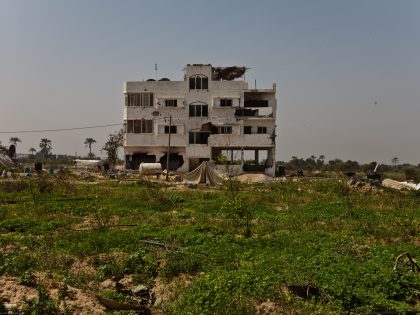
Da Namíbia até a Armênia, e de Ruanda à Bósnia, os perpetradores de assassinato em massa afirmam estar agindo em legítima defesa.
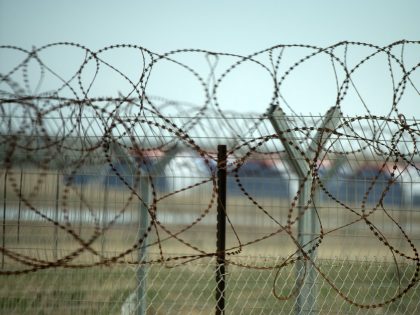
From Namibia to Armenia, and from Rwanda to Bosnia, the perpetrators of mass murder said they were acting in self-defense.
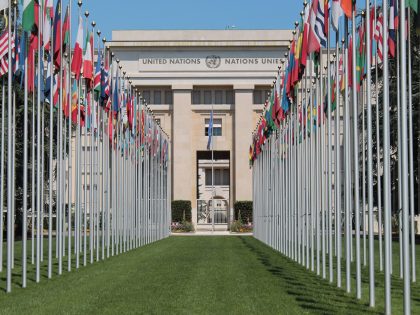
We are failing every day to force a ceasefire and stop the genocide. But failure is not an option. We must refocus this moment.
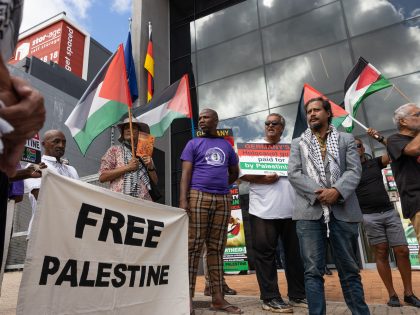
South African writer, publisher and curator Zukiswa Wanner explains why she is surrendering her 2020 Goethe Medaille.
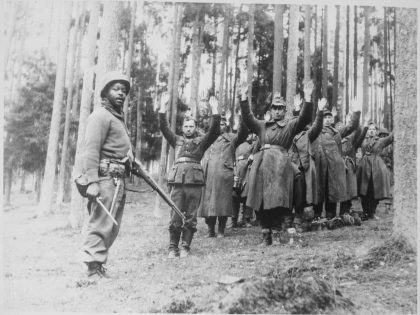
It is no surprise that even today, Europe only feels guilt about the episode of the Holocaust and not the principle of genocide which made it possible.
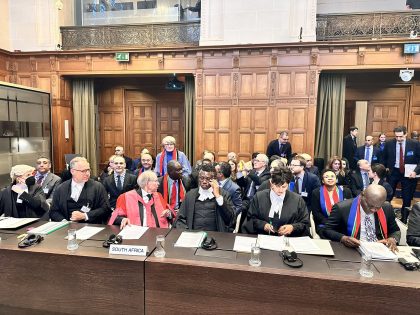
Africa Is a Country is proud to present a partnership with the popular South African podcast Just Us Under a Tree. On this episode, the Just Us crew analyze South Africa’s case against Israel at the ICJ.
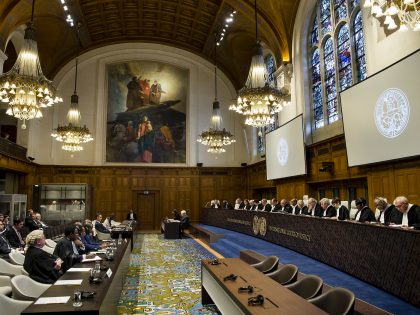
South Africa is asking the International Court of Justice to declare that in its war against Gaza, Israel has breached its obligations under the Genocide Convention.
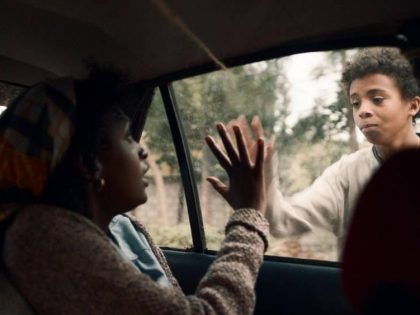
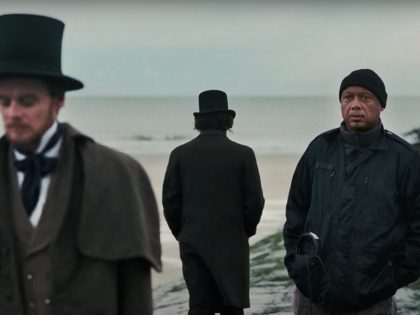
Between melancholy, terror, and disillusion, Petit Pays is a groundbreaking and eye-opening take on one of the darkest pages of African history, one that is often misunderstood in the West.
The intimate connection between the horror unleashed on Europe's Jews and the preceding centuries of atrocities perpetrated by the "Enlightened" West on those they colonized and enslaved.
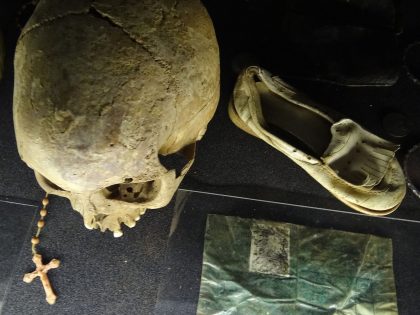
How Rwandan history is told — and who does the telling — is important as it determines who is able to participate in conversations about the past.
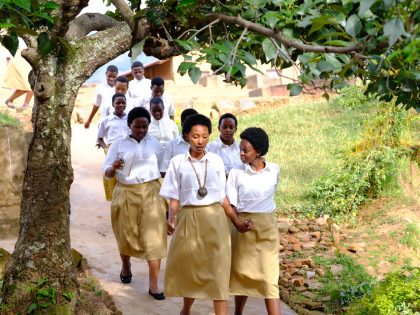
Because of the 1994 genocide, Rwanda occupies a complicated place in the world’s imagination. A new film, about the preceding 1973 pogrom, wants to demystify that view. Does it succeed?
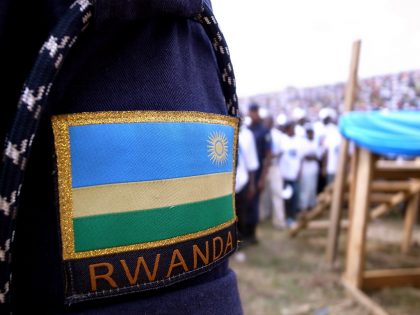
Judi Rever's account of the Rwandan genocide and its aftermath challenges the official narrative.
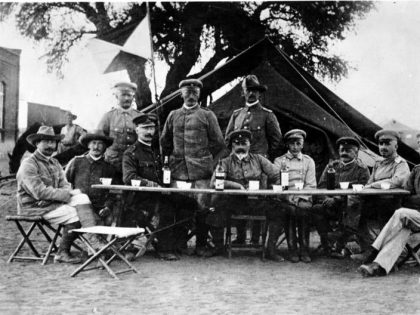
What will it take to get Germany to own up fully to the atrocities it committed during the Genocide in Namibia?
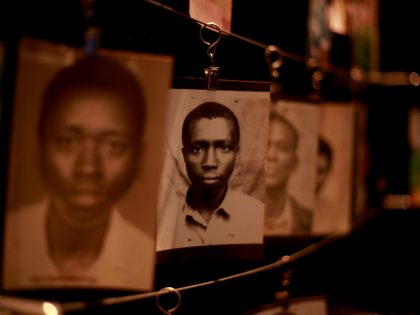
It is worth revisiting the context for the mass killings, how historians have studied it since and casting a revisionist eye.
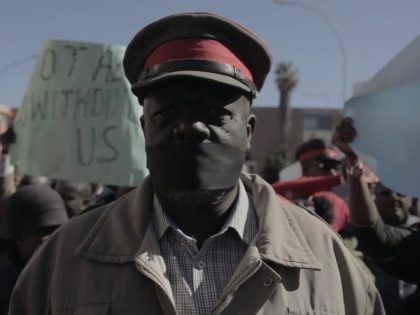
The mass murder of Nama and Herero by German colonists is now the subject of a documentary by the South African director, Vincent Moloi.
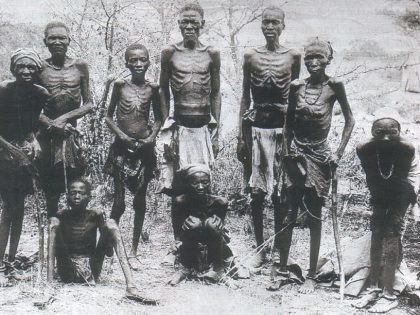
Namibia taking Germany to court in a country with its own history of genocide against indigenous peoples, hoping they may honor the U.N. Declaration of Human Rights.