The crisis of African liberators
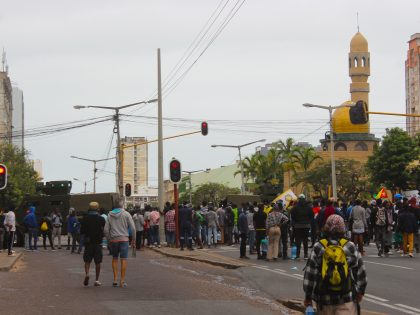
As Mozambique nears 50 years of independence, its ruling party clings to power amid political turmoil, contested elections, and growing public discontent. Is this the beginning of a new struggle for liberation?
As Mozambique nears 50 years of independence, its ruling party clings to power amid political turmoil, contested elections, and growing public discontent. Is this the beginning of a new struggle for liberation?
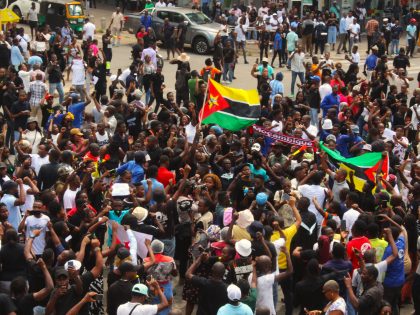
À medida que Moçambique se aproxima dos 50 anos de independência, seu partido no poder se agarra ao poder em meio à turbulência política, eleições contestadas e crescente descontentamento público.
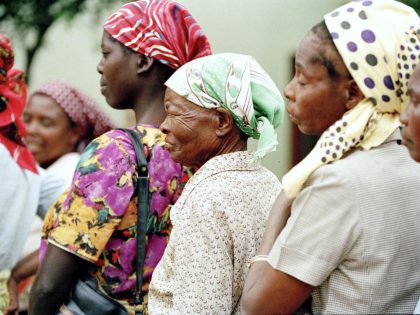
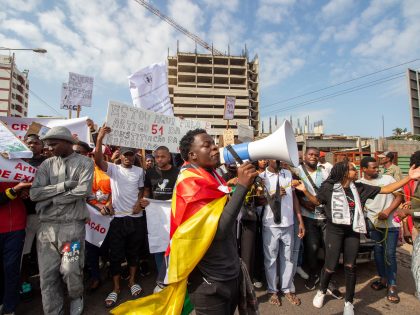
Mozambique’s disputed elections triggered a deadly uprising, as citizens resisted Frelimo’s rule and exposed the cracks in neoliberal policies.
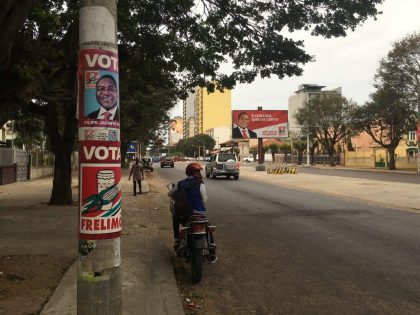
On November 21st, 2024, we discussed the politics underlying the popular uprising in Mozambique with António Bai, Anne Pitcher, and José Jaime Macuane.
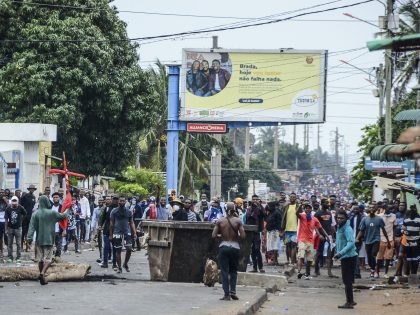
A decade ago, the kind of protest movement gripping Mozambique over the last few weeks would have been difficult to fathom.
Há dez anos, seria difícil imaginar esse tipo de movimento que vem ocorrendo nas últimas semanas em Moçambique.
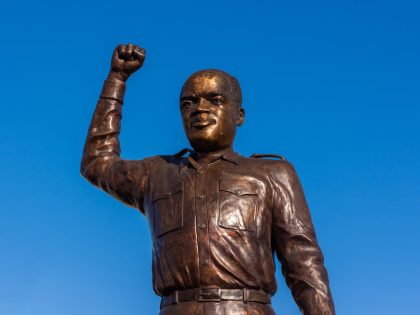
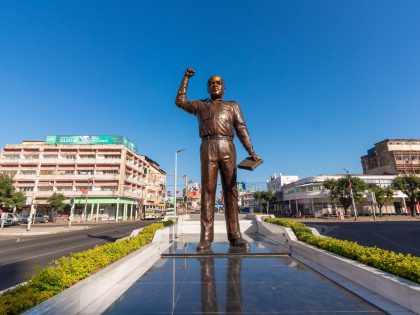
After a historic election and on the eve of celebrating fifty years of independence, Mozambicans need to ask whether the values, symbols, and institutions created to give shape to “national unity” are still legitimate today.
Depois de uma eleição histórica e em vésperas de celebrar os 50 anos de independência, os moçambicanos precisam de perguntar se os valores, símbolos e instituições criados para dar forma à “unidade nacional” ainda são legítimos hoje.
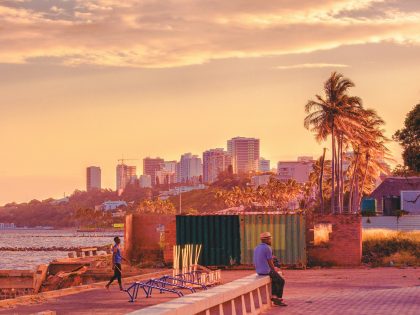
Frelimo has been Mozambique’s ruling party since it gained independence from Portugal in 1975, while Renamo has been the official opposition since the end of its civil war. But after recent elections, things are about to change.
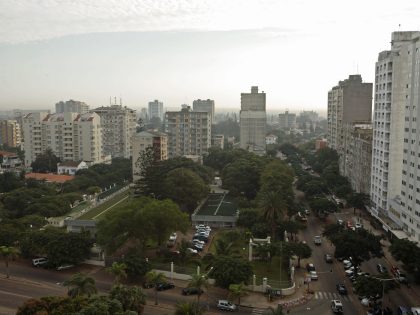
Como figura política, Venâncio Mondlane personifica e reflete uma das questões centrais do processo de paz e reconciliação moçambicano: a inclusão política, ou a falta dela.
A solidariedade socialista na Angola e Moçambique pós-coloniais tornou as pessoas queer invisíveis. Revisitar esse apagamento nos ajuda a reinventar a libertação de forma legítima.

Socialist solidarity in postcolonial Angola and Mozambique rendered queer people invisible. Revisiting this erasure helps us imagine liberation anew.
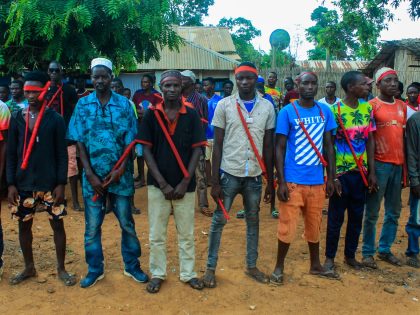
The conflict in Cabo Delgado, Mozambique is entering its sixth year. To combat it, the government should address the underlying local grievances that are driving people toward it.
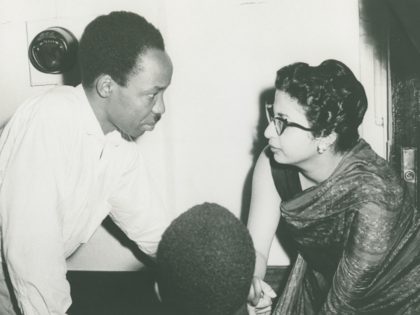
Many know Frene Ginwala, the iconic anti-apartheid activist, as democratic South Africa’s first speaker of parliament. But few know of her time building pan-African media in Dar Es Salaam.
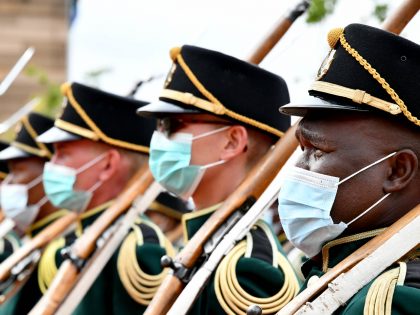
Amilcar Cabral’s influence stretched far beyond the Portuguese colonies, profoundly influencing the political struggle in South Africa, past and present.
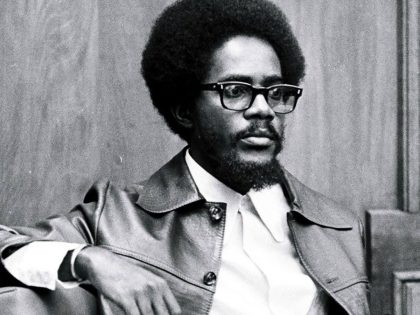
In the early 1970s, Walter Rodney, expelled from Jamaica, took a post in Tanzania. In Leo Zeilig’s new book, he captures those exciting, but also difficult years and how it formed Rodney.
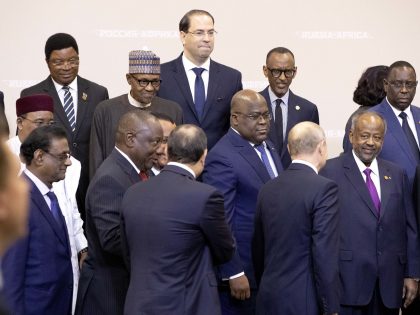
To compensate for its possible isolation by the West, Russia could turn its attention to Africa, making the continent the next center stage for imperialist struggles.
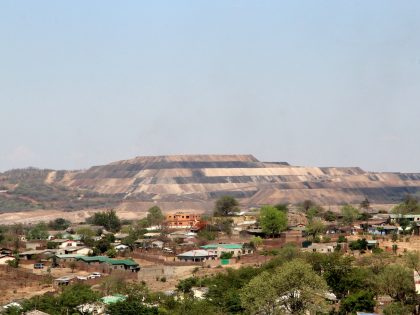
In Mozambique, a troubling pattern of land grabbing, pollution and death. This time at the hands of a Brazilian-owned coal mine.
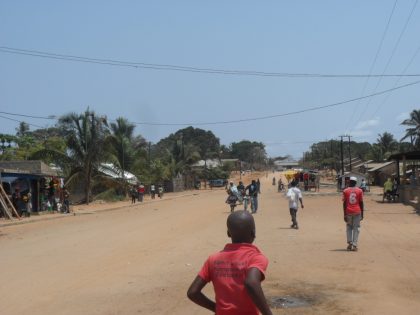
A new and different state is necessary to manage the complex problems in the region, but is it possible under the current regime that has fed the conflict?
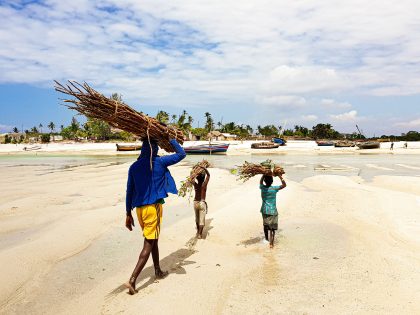
The dynamics of refuge-seeking in southern Mozambique between 1895 and the 1980s.