Rethinking the boundaries of blackness
South Africa’s visual culture reveals that its racial categories were never fixed, while the history of indenture complicates the terms of solidarity and exclusion.
South Africa’s visual culture reveals that its racial categories were never fixed, while the history of indenture complicates the terms of solidarity and exclusion.

The Olympics, with its provocative patriotism, are the perfect forum for using a broader diasporic focus to push back against hypernationalism.
In South Africa, a popular beauty contest is revealing the specter of ultranationalism and anti-blackness.
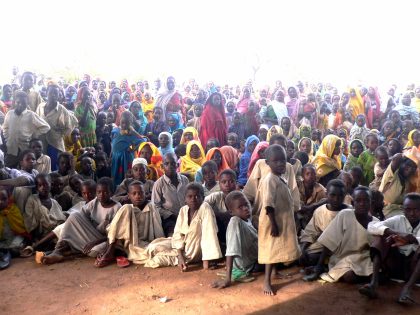
The indifference towards Sudan's suffering can be traced to a disturbing pattern deeply rooted in antiblackness.
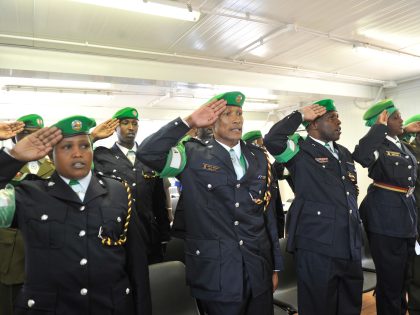
Kenya’s plan to send 1,000 police officers to Haiti undermine's the country's fragile sovereignty.

The little-known history of Iranian cinema uncovers its overlooked history of slavery and anti-blackness.
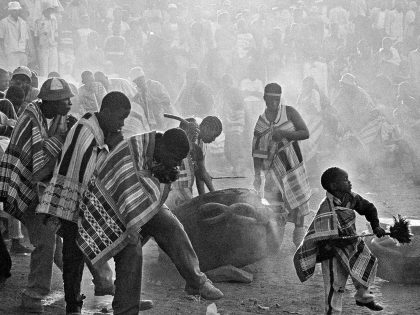
South African jazz drummer Tumi Mogorosi’s latest project is a call to black people to share the questions that render our condition one of deep ache.
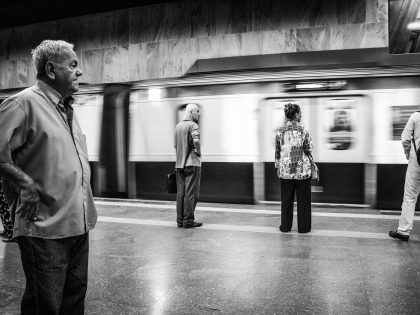
A scholar of Black Brazil discusses the past, present, and future of the antiracist movement, in the run up to this year's presidential elections.
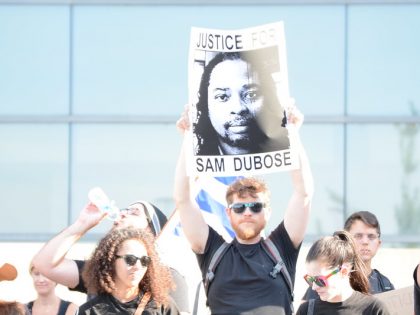
Since Stuart Hall wrote critically about race as an analytical category in the 1980s, naturalized accounts of race are back with a vengeance.
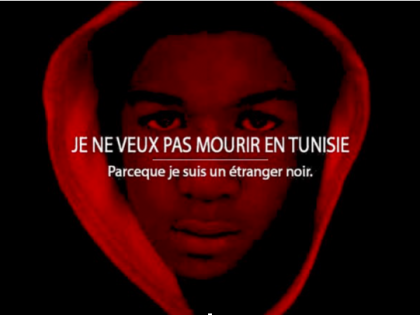
Racism against its black citizens permeates the social, institutional, and political strata of Tunisia.
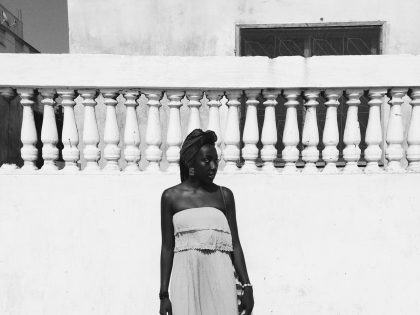
"White person!," people passing by shout, smiling and waving at me. I am black. I am African. I am Rwandan."
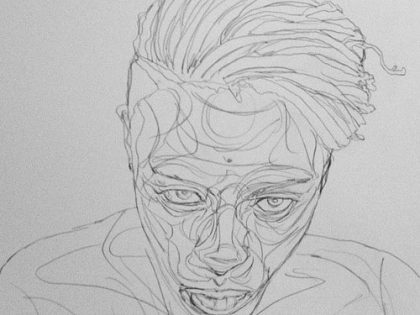
An interview with Nigerian-American artist, Toyin Odutola.

The pianist, Kyle Shepherd, loathes labels, especially of him as the architect or savior of Cape Jazz, the music associated with Cape Town.
What are the cultural implications of the success of individual African artists in particularly U.S. mainstream media and award shows?